Mike Durglo Jr. has dedicated his life to preparing his home and people for climate change. As the climate change coordinator for the Confederated Salish and Kootenai Tribes, he created one of the country’s first tribal climate action plans over 15 years ago.
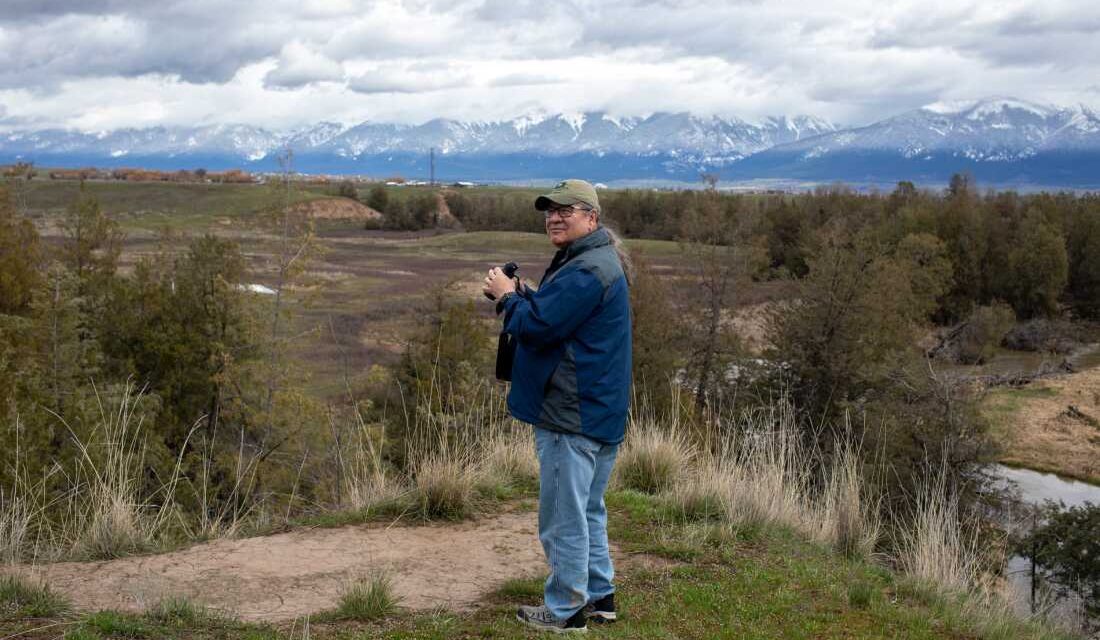
On a brisk April morning, Durglo stood on a hillside overlooking the expansive Flathead Indian Reservation in Montana, home to his tribes. With the warm spring weather breaking records, he pointed to landmarks from his childhood and a lone whitebark pine, which signifies resilience.
Since the 1990s, warmer temperatures, beetle outbreaks, and invasive fungus have devastated half of the sacred whitebark pine population. However, Durglo sees these trees as symbols of hope. The Tribes harvest cones from healthy trees to nurture seedlings resistant to the harmful fungus, aiding efforts to maintain snow on the land longer and prevent drought and wildfires.
For nearly two decades, Durglo has pieced together funding from diverse sources after federal support periodically dwindled. Under Republican governance, Montana ceased regulating emissions pending federal initiatives. Despite this, Durglo continues to advance tribal climate actions independent of state efforts.
His climate plan integrates Traditional Ecological Knowledge and addresses various climate-related challenges, including lengthy wildfire seasons and dwindling snowpacks. It emphasizes a holistic approach, recognizing interdependencies among elements like wildlife and ecosystems.
Alongside this, Durglo has fostered partnerships across tribes in Montana, Wyoming, Utah, Colorado, and the Dakotas. He facilitates workshops and shares strategies, significantly impacting tribe-led climate initiatives. For example, on the Flathead Reservation managed by the Confederated Salish and Kootenai Tribes since 2022, leaders are revitalizing bison populations, a species with integral ecological roles.
The Tribes actively restore ecosystems, develop wind-energy projects, and enhance water conservation to reduce wildfire risks. Durglo and colleagues regularly revise their climate action plan to accommodate evolving needs, reinforcing wildfire smoke mitigation efforts.
Collaborating with local nonprofits, Durglo established air quality sensors and centers with effective filters across the reservation. He developed DIY air filters and ensures buildings serve as clean air centers amid worsening smoke seasons.
Mary Anderson from Montana’s Department of Public Health praises Durglo’s efforts, viewing his methodologies as models for rural communities to prioritize air quality.
Adapting to obstacles like reduced federal funding, Durglo partners with other tribes to secure grants from private entities. He maintains a proactive stance, nurturing resilience across communities facing climate uncertainties. He feels hopeful for future generations, envisioning them recognizing the groundwork laid by his initiatives.
 Drought Drives Black Bears Closer to Human Activity
  Atlantic Ends September Without a Hurricane for First Time Since 1994
  Bobcat Sightings and Conservation Efforts in Illinois
  2026 El Niño: A Historical Comparison and Future Projections
  U.S. Records Warmest September in History
  Swiss Glaciers Show Effects of Ice Loss Amid Global Warming