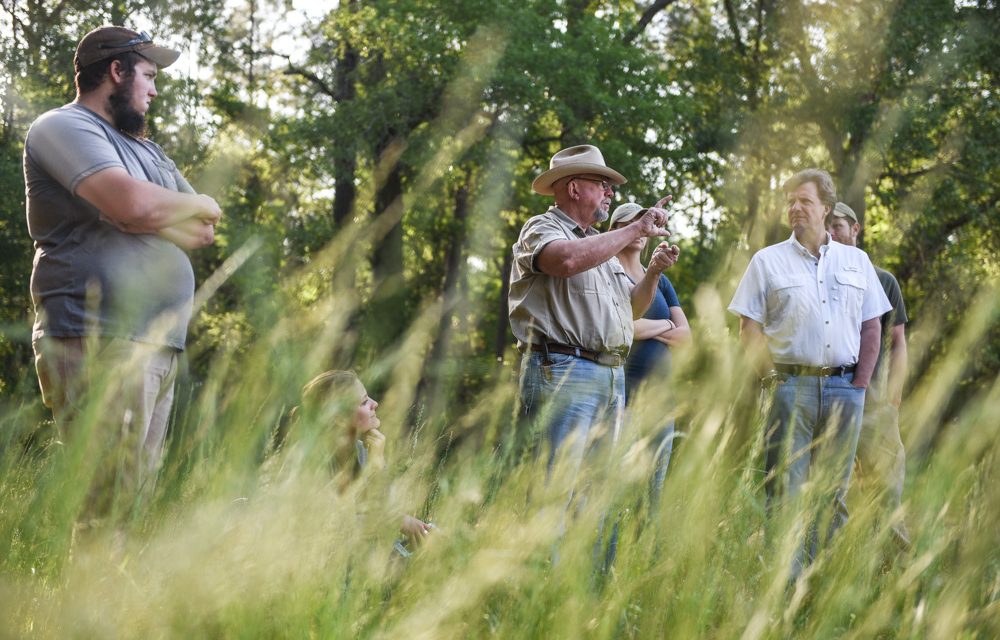
Since 1866, cows have grazed on the land of Will Harris’s family farm in southwestern Georgia. His great-grandparents began the tradition, working six days a week to raise and sell chickens, ducks, hogs, and cows in Bluffton, a small town. Today, Harris, aged 71, has expanded the farm into a 5,700-acre operation known as White Oak Pastures. This enterprise now employs 170 people, making it the largest private employer in the county.
Harris believes the traditional cycle of farming is breaking. Although record cattle prices used to encourage restocking herds, land costs now outweigh cattle profits. Investors and developers are driving up land prices, making expansion difficult. As a result, Harris is focusing on educating new ranchers and is open to alternative developments, like a data center in his county. He questions whether traditional farming can survive these challenges.
The U.S. cattle herd is at a 75-year low, influenced by droughts and high operating costs. Ground beef prices have reached a record high of $6.90 per pound. Competition for farmland is intense, with institutional investors and data center companies purchasing large areas in rural Georgia. A data center in Clay County has not yet been built, but Harris acknowledges the trend of land moving from farmers to investors.
“If you can get a tremendous amount of money to sell the land, most people sell it. It happens every day, and it’s not just data centers,” Harris said. “The land is moving out of the hands of the farmer or cattle producers into the hands of others.”
White Oak Pastures has undergone significant changes over the years. Originally operated with modern industrial methods, the farm now adheres to regenerative farming, which Harris defines as “not breaking the cycles of nature.” After college, Harris followed his father’s approach, focusing solely on cattle and reducing costs with chemicals. But he eventually returned to more traditional methods.
This transition proved successful as demand for grass-fed beef rose in the early 2000s. White Oak was able to distribute beef through retailers like Whole Foods and Publix. By 2015, the business had $25 million in sales. However, changes in U.S. labeling laws allowed foreign beef to be labeled as a U.S. product, hurting profitability. The farm pivoted again, launching an online store amid the pandemic.
Harris emphasizes better quality over expansion, saying, “We want to do better, not bigger.” He is committed to educating the next generation of farmers. His nonprofit, the Center for Agricultural Resilience, runs internship programs and courses to promote regenerative agriculture.
Courses attract a diverse audience—from young graduates to older individuals inheriting farms, even international visitors. Harris recognizes the historical shift in profits from small farms to corporations like Tyson and Cargill. Despite concerns, he is open to data centers as a potential economic relief for economically challenged agricultural counties.
“These agricultural counties in southwest Georgia are economically impoverished, and we need some other things going on,” he said. “I don’t know if data centers are what we need, but it is some initial relief, and we will see how it goes.”
 Manhattan Judge Upholds Rent Freeze in New York City
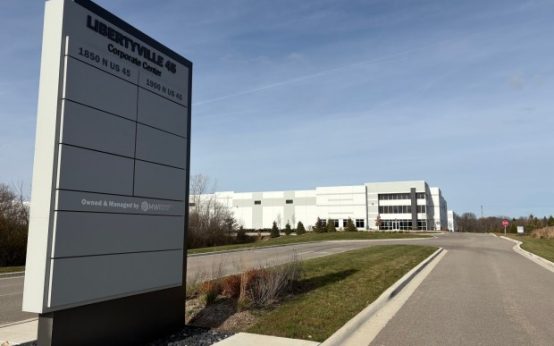 Research Products International Invests in Libertyville 45 Corporate Center
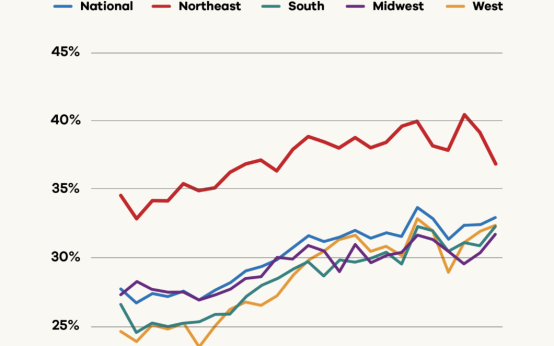 Young Adults and Multigenerational Living in 2025
 Jared Kushner’s Controversial Resort Development in Albania
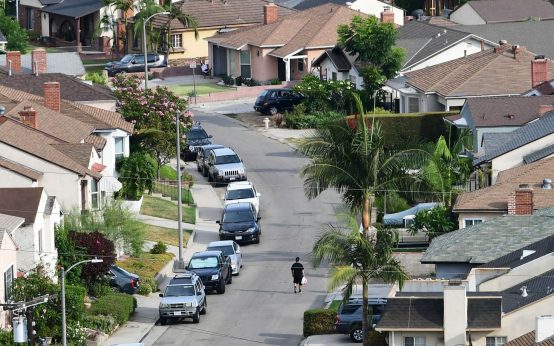 Rising Housing Costs Force More Young Americans to Stay with Parents
 Plans for New Apartment Development in Arlington Heights