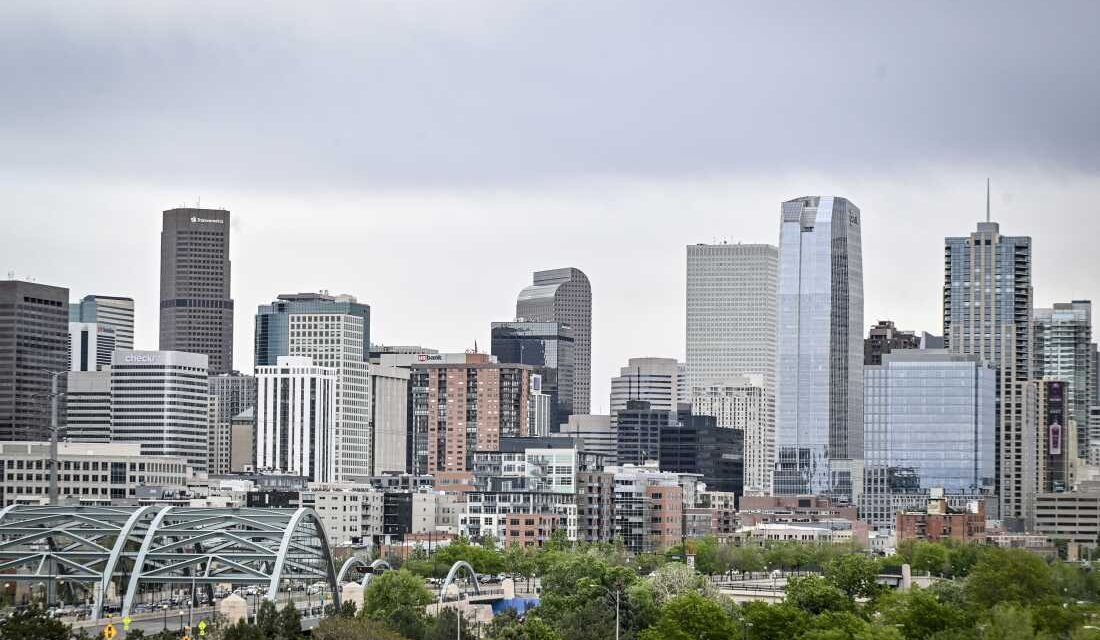
Denver plans to implement a unique system to heat and cool a series of downtown buildings using water, geothermal energy, and even heat from sewage. This initiative comes as a response to the federal government’s pause on climate change actions, leaving local entities to address climate concerns. Denver, like other cities, identifies its buildings as the main contributors to climate pollution. The goal is to use this new system to cut reliance on fossil fuels.
The project centers on the Cherokee Boiler House near downtown. Despite its current state of disrepair, with rusty pipes and hazard signs, city officials see its potential. This transition forms part of Denver’s strategy to cut greenhouse gas emissions to zero by 2040 while saving taxpayer money.
Denver will trial a thermal energy network, a concept already in use on some campuses and in other cities globally. If successful, it could set an example for similar urban areas in the U.S. More than a hundred buildings in downtown Denver currently use an outdated steam system run on natural gas. Built in the late 1800s, the system is now inefficient and costly due to maintenance and fuel prices.
A recent city ordinance mandates large buildings to reduce greenhouse gas emissions or face penalties. Continuing with the old steam system might make compliance impossible. Therefore, Denver plans to upgrade it to a new thermal network, targeting 11 city-owned buildings. This ‘ambient loop’ system uses underground pipes filled with water to circulate heat and cool buildings.
Water-source heat pumps will transfer energy from the circulating water to either heat or cool the buildings, making them energy-efficient. This system allows buildings to share energy efficiently. For instance, if one building is too hot, it can transfer excess heat through the water to another needing warmth.
The project, estimated to cost $280 million to $320 million, involves a mix of city funds and a state grant. Despite high upfront costs, the ambient loop could be up to 75% cheaper than other de-carbonization methods. The site aims to use geothermal energy by drilling boreholes under downtown lots, tapping energy from over 1,000 feet underground. This geothermal heat will help maintain the loop’s water temperature.
Another unconventional energy source is wastewater. As Denver processes wastewater, it emerges warm, filled with thermal energy. Plans involve installing a heat exchanger in a sewage line to harness this energy, both reducing cooling costs and providing a revenue source.
Denver is piloting the project with two buildings and a snowmelt system, hoping to connect nine by 2030. Mayor Johnston is optimistic the model might expand to serve many natural gas customers around downtown, reducing emissions significantly. If successful, the project could inspire similar efforts in other cities.
 Atlantic Ends September Without a Hurricane for First Time Since 1994
  Bobcat Sightings and Conservation Efforts in Illinois
  2026 El Niño: A Historical Comparison and Future Projections
  U.S. Records Warmest September in History
 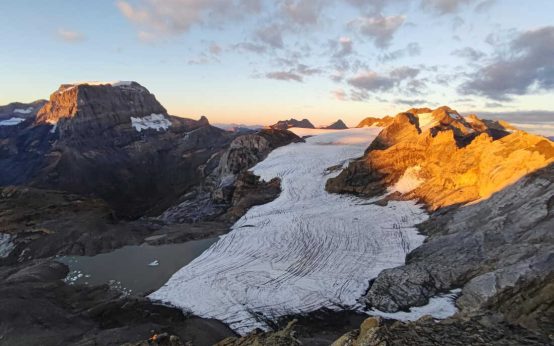 Swiss Glaciers Show Effects of Ice Loss Amid Global Warming
  Climate-Resistant Rock Glaciers: Hidden Water Resources