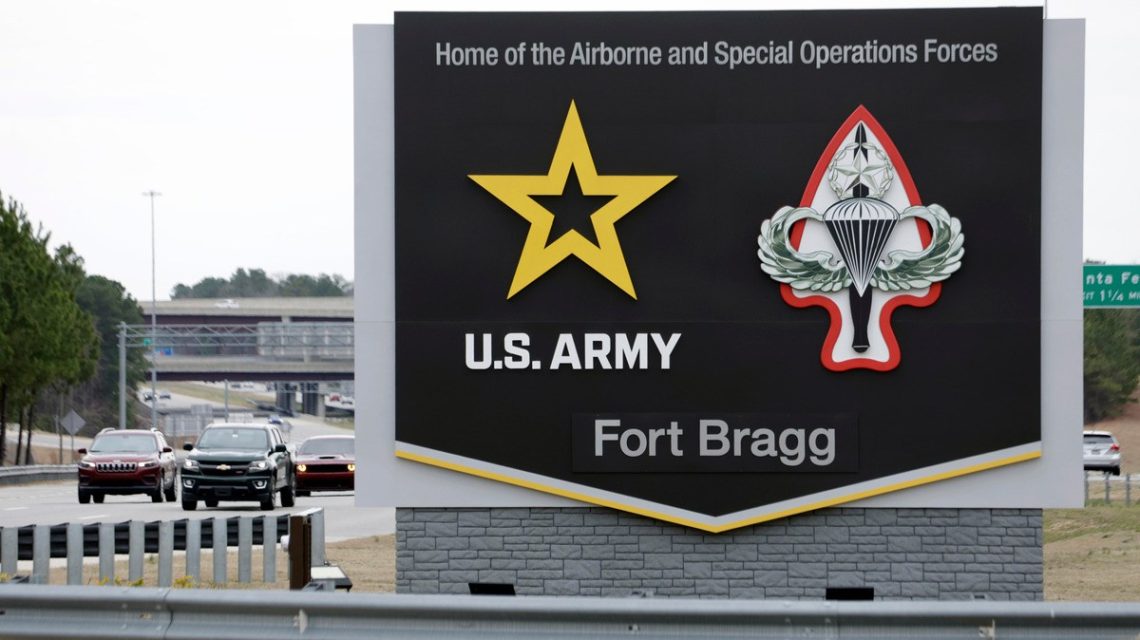
The U.S. Army has announced an initiative to lease underutilized land on several military bases to private companies. These leases aim to encourage the construction of power plants and data centers on military property.
This announcement follows a call from Veterans for Public Lands, an advocacy group urging a halt to data center construction on public lands due to concerns about local impacts like those on water quality and energy supply.
The Department of the Army is seeking proposals for developing power facilities and data centers on nine bases across the United States. Selected leases will cover a period of 25 years, with options for renewal. They specify that proposals including both power plants and data centers are preferred. Proposals for only data centers will not be considered.
The designated bases include:
- Joint Base Lewis-McChord, Washington
- Fort Bragg, North Carolina
- Pine Bluff Arsenal, Arkansas
- Fort Hood, Texas
- Fort McCoy, Wisconsin
- Fort Rucker, Alabama
- Blue Grass Army Depot, Kentucky
- Tooele Army Depot, Utah
- Sierra Army Depot, California
Proposals must be submitted by January 18, 2027. Recent protests have highlighted public unease about new data centers, with many citizens calling for more transparency around project impacts and potential health risks.
A survey by the University of Pennsylvania found that approximately 60% of U.S. adults oppose new data centers in their communities, with those under 30 showing significant resistance. This view spans across political affiliations.
Data center advocates argue these facilities are crucial for the U.S. to stay competitive in artificial intelligence and to stimulate local economies. Currently, data centers consume around 17 to 19 billion gallons of water annually, with anticipated growth to 110 billion gallons by 2030.
The Army requires project proposals to avoid using aquifers to ensure fresh water remains accessible to local communities. Instead, proposals should focus on alternative water sources like repurposed industrial water.
The military mandates that leased sites have power restoration capabilities within an hour and maintain operations for at least 14 days during power grid disruptions. Pentagon regulations require most U.S. military bases to sustain operations independently for three months without external resources, ensuring power, fuel, and water supplies remain intact for military operations.
 Leopold Aschenbrenner’s Vision for a Robotic Future
 Latest Developments in Politics, Technology, and Economy
 The Silence of Women in Tech Regarding Jensen Huang’s Return
 Lawmakers Question Nvidia CEO Jensen Huang Over National Security Concerns
 Uber Kids: A New Option for Busy Families
 Why Memorizing Facts Still Matters in the Age of AI