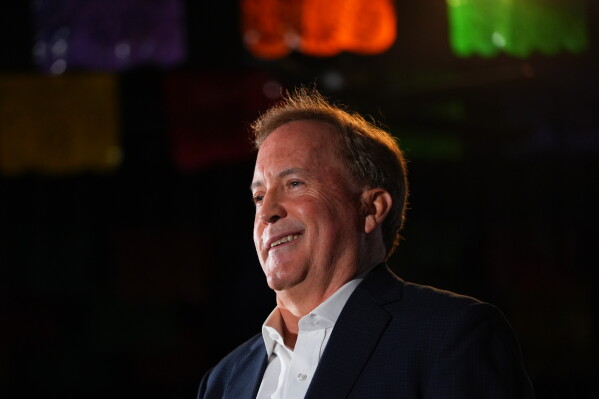
The conversation around congressional stock trading has intensified within the Democratic Party. Candidates are leveraging voter dissatisfaction with perceived self-enrichment in politics. Colin Allred, after failing twice in Senate bids, now seeks a House seat in Dallas, challenging Rep. Julie Johnson. Allred criticizes Johnson over stock trades involving companies like Palantir, linked to former President Trump’s administration. Johnson, however, claims a financial manager handles her trades, pointing out Allred’s own increase in wealth during his congressional tenure. Allred attributes this to a blind trust and his wife’s income from her law firm.
Financial transparency and ethics form the crux of these debates as Democrats aim to present a strong anti-corruption stance against Trump. Yet, the party grapples with internal divisions over its message and legislative proposals. While trading bans exist in several proposals, none have progressed significantly.
Nate Blouin, in a Utah congressional race, criticizes rival Ben McAdams for equity in a local firm. McAdams cites this as payment for past contracts and denies concealing campaign finance details. In New York, Brad Lander, running in a Wall Street-district, charges Rep. Dan Goldman of leveraging personal wealth to influence election outcomes. Goldman denies these claims, emphasizing his blind trust arrangement.
California’s congressional races also see similar dynamics. Rep. Brad Sherman supports a trading ban, yet faces challengers opposing his stock inheritance. Former climate adviser Jake Levine criticizes Sherman, who defends his lack of trading activity. In another race, Scott Wiener targets Saikat Chakrabarti’s tech wealth, questioning his campaign’s transparency. Chakrabarti assures voters of his commitment to ethical policymaking, highlighting Wiener’s backing from AI-related PACs.
The Political Integrity Project emerges as a player, urging candidates to eschew stock trades and corporate donations. By addressing these concerns, Democrats seek to regain voter trust. However, the complexity of the issue and partisan divides complicate legislative progress. Yet, with 90 challengers and seven lawmakers signing ethics pledges, the debate on money’s influence on politics continues to shape the Democratic primary landscape.
 Families Fight Trump Administration’s Ban on Medical Care for Trans Youth
 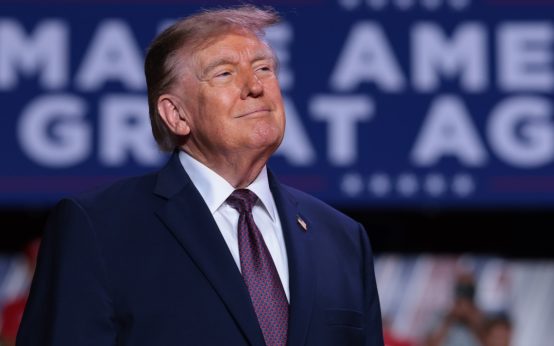 Trump Announces $100 Checks for Seniors to Aid Medicare Part B Premiums
 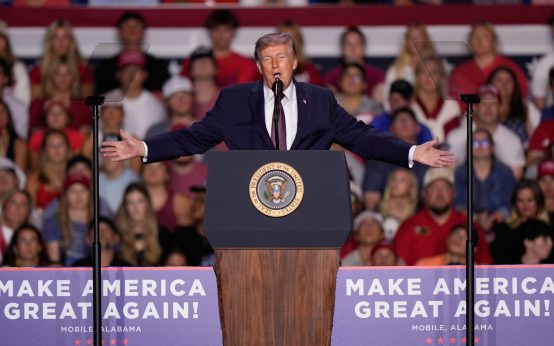 Trump Suggests His Name for Major Alabama Bridge Project
  California’s Challenges: Solutions Needed at State Level
  Protests Against Proposed Trump Arch in Washington D.C.
 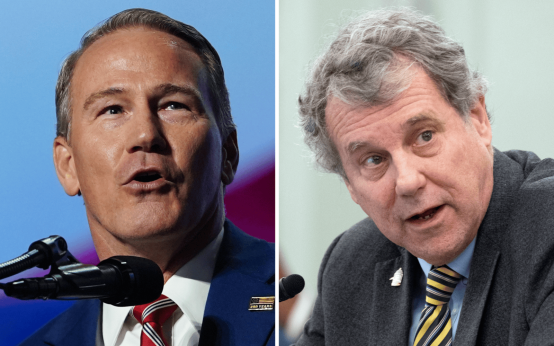 Republicans Boost Spending in Ohio Senate Race Amid Growing Concerns