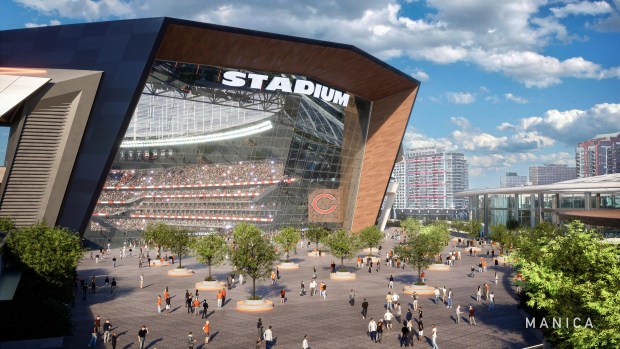
The proposed tax incentives for the Chicago Bears to build a stadium in the suburbs have been a focal point of public debate. While state lawmakers consider how to assist the Bears, they must also address broader effects on the state due to a proposed megaprojects plan under review in Springfield.
Understanding the Proposed Legislation
A recent analysis by the Cook County treasurer’s office highlights these broader implications. The proposed legislation, approved by the Illinois House, aims to provide ‘tax certainty’ for development projects costing at least $100 million. It includes statewide tax changes, such as removing sales taxes on construction materials, expanding bond programs, and introducing new incentives for railroad facility revamps. These changes could affect numerous other developments yet to be announced or considered.
Potential Impacts Beyond Bears Negotiations
The proposal introduces a tax arrangement called ‘PILOT’ (payments in lieu of taxes), which extends beyond the Bears’ situation. According to Hal Dardick of the treasurer’s office, this is merely a small part, as the bill also introduces a sales tax increment and a hotel tax increment to provide additional financial benefits to developers.
Considerations for Lawmakers
Governor JB Pritzker and the Democratic-controlled General Assembly face decisions on reaching a compromise to prevent the Bears from moving to Indiana. The proposed House measure has met with skepticism from Pritzker and key state Senate members.
Tax Incentive Programs Under Scrutiny
Tax incentive programs can diminish the promised benefits of major developments, such as expanding the property tax base to relieve taxpayers. The proposal claims that while this framework offers tax certainty for large projects, it leaves other taxpayers facing unpredictable assessment changes and local levies.
The Case for and Against the Bears’ Megaproject
Proponents of the proposal argue that such projects generate jobs, boost economic activity, and increase tourism. Bears executives claim their $5 billion redevelopment plan for the Arlington International Racecourse won’t proceed without these incentives.
However, economic studies often show that sports stadiums are not significant drivers of economic or social development. The report notes there are existing incentives like assessment reductions and tax increment financing (TIF).
The Economic Value of Stadiums
There are concerns about the true economic value of stadium developments compared to the reported costs. For example, though SoFi Stadium in Inglewood was built for about $5 billion, its assessed value was much lower at approximately $775 million.
Tax Implications of the Megaproject Proposal
The Bears’ proposed tax break would result in a significant financial benefit over 40 years. Without special incentives, a stadium with a true value nearer $675 million could face a tax bill of $53.2 million. Under the megaprojects proposal, assessments would remain frozen, leading to a tax bill close to $4 million, plus a special annual payment that might total $10 million.
Broader Impacts on Local Tax Burdens
Incentive programs concentrating on large projects can shift tax burdens to homeowners and businesses. This might compel school, library, and park districts to increase their collective property tax collections.
Pappas’ analysis stimulates a conversation about whether special payments will adequately cover services prompted by new developments or if neighbors will face increased taxes.
The benefits for the Bears and other megaproject developers are clear, while the benefits for Illinois residents are murky.
 Cargo Plane Crash at Miami International Airport
  Marine Veteran Suing Oregon School District Over Curriculum Reimbursement
  Tennessee Execution Halted as Issues Persist with Lethal Injection Protocol
  Judge Dismisses Case Against Former Olympian Over Lincoln Memorial Incident
  Minnesota Family Files Civil Rights Lawsuit Over ICE Agent Shooting
  California Bans Child Marriage, Protecting Minors