
The annual Hajj pilgrimage, a cornerstone of Islam, commenced in Mecca, Saudi Arabia. More than 1.5 million pilgrims have arrived in the country from abroad, according to Saleh bin Saad Al-Murabba, commander of the Hajj passport forces. The faithful continue to gather amid a delicate ceasefire in the Iran conflict, bringing regional tensions and facilitating uncertainty.
On Monday, the pilgrimage began in earnest, with worshippers circling the Kaaba, Islam’s most sacred site. Samya Abdul Moneim, an Egyptian pilgrim, expressed her gratitude for being able to attend the Hajj, an obligation once in a lifetime for every Muslim who is financially and physically capable. ‘I am in a state of blessing and happiness,’ she remarked, noting the spiritual significance of the journey.
The pilgrimage involves several days of rituals in the sweltering desert heat surrounding Mecca. This first day saw many making their way to a vast tent city in Mina, where pilgrims engage in prayer and reflection. Youssef Chouhoud, a political scientist from Virginia, shared via message from Mina that the Hajj acts as a spiritual rejuvenation, providing new purpose and discipline.
Using technology like handheld fans and umbrellas, pilgrims confront the extreme temperatures. Volunteers distribute water to keep participants hydrated. The arduous yet rewarding pilgrimage challenges many but yields profound spiritual fulfillment.
On Saturday, President Donald Trump announced a potential peace deal with Iran, including the reopening of the Strait of Hormuz. This development came after regional calls with allies and may ease energy crises following recent U.S.-Iran tensions.
The significance of Hajj lies in its ability to unite Muslims of all backgrounds, transcending race, ethnicity, language, and economic status. Authorities in Indonesia, the world’s largest Muslim population, have prepared contingency plans to manage rising travel costs for pilgrims. Despite challenges like increased fuel prices, countries like India have maintained Hajj arrangements.
Amid geopolitical concerns impacting global economies, the Hajj remains a beacon of worship for Muslims worldwide. As pilgrims prepare for the climax of their spiritual journey on the plain of Arafat, their dedication speaks to the enduring nature of this revered Islamic ritual.
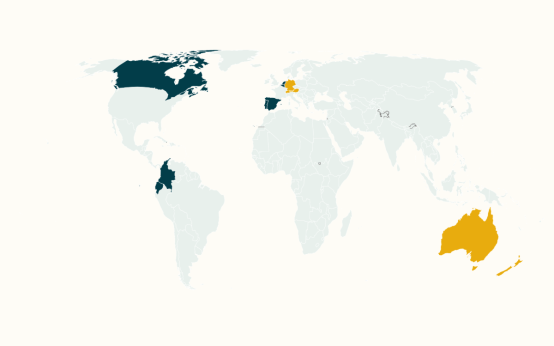 Dutch Review Board’s Euthanasia Ruling and International Debate
 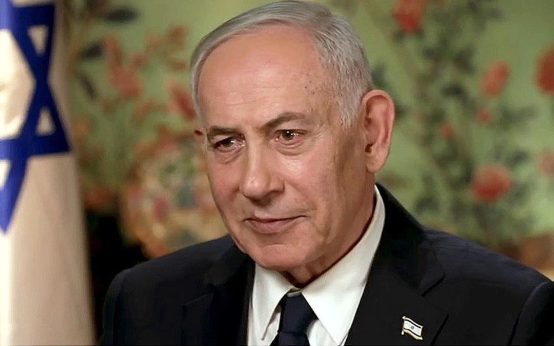 Israeli PM Commends Heroic Actions in Flight Emergency
  Rabbi and Jewish Leaders Criticize Adam Brody for ‘Genocide’ Comment
  Flydubai’s Emergency Landing Highlights Cockpit Security
 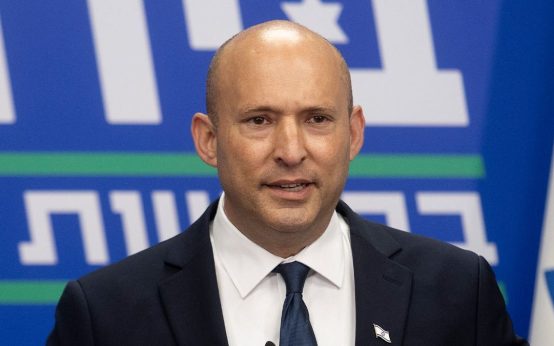 Former Israeli PM Naftali Bennett Commends Passengers and Crew for In-Flight Heroism
 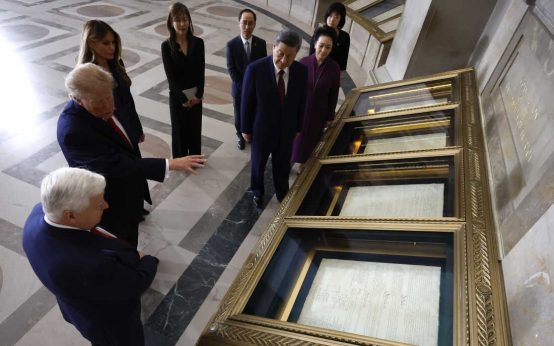 Diplomatic Complexities Unfold at U.S. National Archives Visit