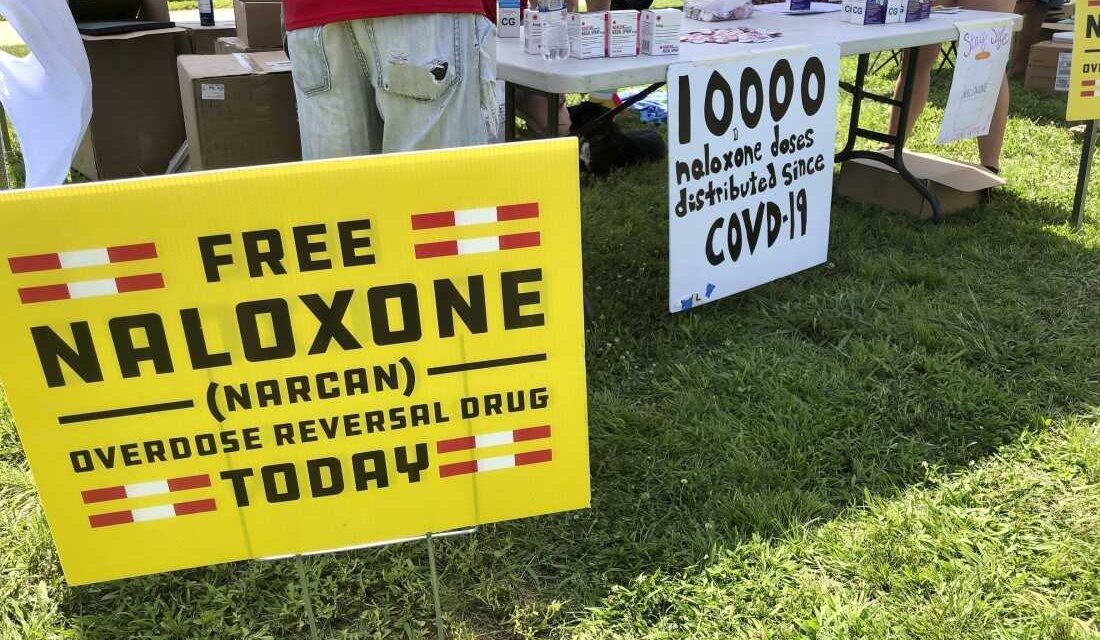
Public health officials report a significant decline in overdose deaths across the U.S. The increased availability of naloxone, also known as Narcan, has played a key role in this reduction. Naloxone is a medication that reverses opioid overdoses and has become more accessible in communities.
Despite surging overdose deaths in some Western states, the overall number of street drug fatalities in the U.S. dropped by approximately 14% in 2025 compared with 2024. The Centers for Disease Control and Prevention (CDC) disclosed that 69,973 people died from overdoses last year, a decrease of about 11,300 from the previous year.
Dr. Nora Volkow, head of the U.S. National Institute on Drug Abuse (NIDA), noted the trend, stating, “We started to see the declines in 2023 but they were small. We weren’t certain they were going to be sustainable.” A range of interventions, including medications that reduce opioid cravings, have contributed to saving lives.
Beth Meyerson, a drug policy researcher in Arizona, also highlighted the importance of these interventions. She emphasized that wider naloxone access equates to first aid, saving lives in emergencies.
The downward trend began in the summer of 2023. Experts attribute the decline to several factors, including less potent illicit fentanyl and decreased drug use among young people. Dramatic reductions occurred in Alabama, New York, and Virginia, with each state experiencing a 25% to 30% drop in fatalities.
New York Governor Kathy Hochul expressed satisfaction with the progress, particularly as opioid deaths in her state have decreased significantly since 2022. She affirmed the state’s dedication to tackling health disparities and emerging substances in the illicit drug market.
In 2025, drug deaths in the U.S. were at their lowest since at least 2019. The decline is striking compared to the 112,418 deaths recorded in the summer of 2023.
“I am very pleased that over the past three years, we have seen a decline,” said Governor Hochul.
Troubling Trends Remain
Despite improvements, drug deaths remain high in some areas and compared to other countries. For instance, Scotland—ranked second highest—has a significantly lower overdose rate than the U.S. Overdose deaths are notably high among older Americans and in predominantly Black and Native American communities.
New synthetic drugs made from industrial chemicals are appearing on U.S. streets. Some states like Arizona, New Mexico, and North Dakota experienced stark increases in fatalities in 2025. Arizona’s spike may be linked to more potent fentanyl and methamphetamines, along with limited access to medical care. Meyerson highlighted that Arizona’s proximity to Mexico, a major fentanyl source, exacerbates the situation.
Dr. Volkow pointed out the challenges faced by Native American communities, especially those in isolated rural areas. Native American overdose mortality rates are double the national average. Efforts to address these disparities must continue, enhancing care accessibility and quality.
 Increased Funding Needed for Psychiatric Hospitals
  Trump Administration Distributes ACA Refund Checks
  Higher Consumption of Ultra-Processed Foods Linked to Increased Health Risks
  Understanding Inflammation: Myths and Facts
  Calm Parenting: Strategies to Manage Stress
  Trump’s Executive Order to Combat Mosquitoes and Ticks in D.C.