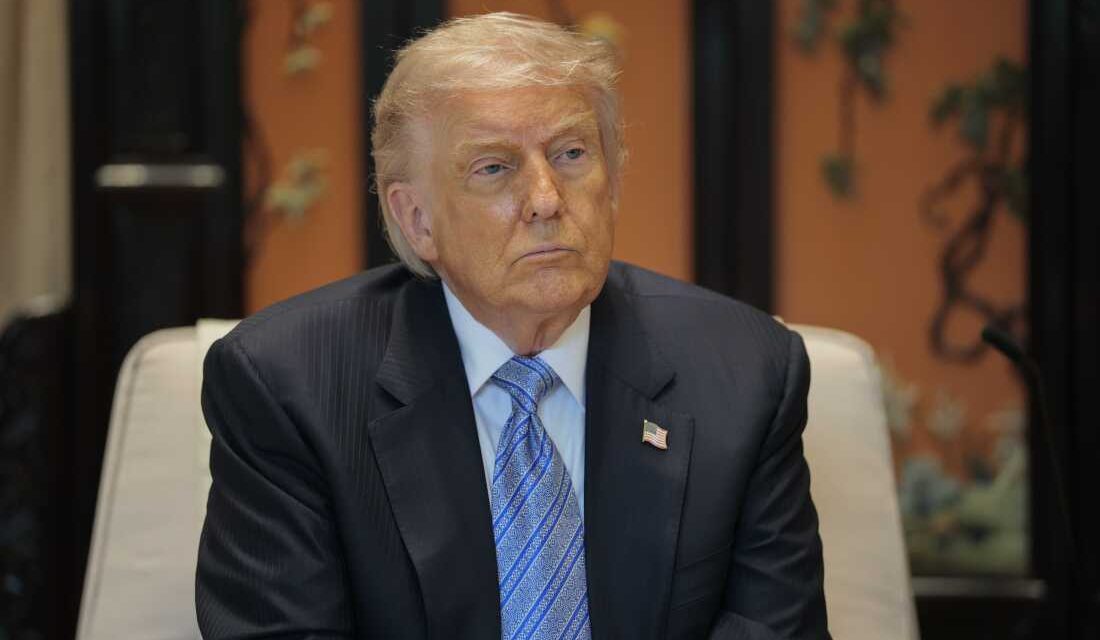
U.S. District Judge Kathleen Williams is set to review the $1.8 billion “anti-weaponization fund,” established under the Trump administration. The fund was created to compensate individuals the former president claimed were wronged by the federal government.
This initiative followed Trump’s lawsuit against the IRS over the leak of his tax returns. Instead of a trial, Trump’s legal team and administration attorneys agreed to establish this taxpayer-backed fund.
The legitimacy of the fund is under scrutiny. A group of 35 former federal judges, appointed by both Democrat and Republican presidents, filed a motion challenging the fund’s validity. They claim the lawsuit represents a form of collusion and argue that Trump essentially serves as both plaintiff and defendant. The judges describe the case as a misuse of taxpayer funds and a “fraud on the court.”
Judge Williams, who was initially appointed by former President Barack Obama, had dismissed Trump’s lawsuit following the settlement. However, she stated the court holds the authority to investigate potential misconduct.
This case follows a temporary freeze of the fund by U.S. District Judge Leonie Brinkema in Virginia. Brinkema, appointed by former President Bill Clinton, ordered a halt to the fund’s establishment to prevent irreversible disbursement of funds. She scheduled a hearing for June 12 to decide whether to extend this order.
The fund has sparked controversy on Capitol Hill, with critics labeling it a “slush fund” for Trump’s supporters who allege political persecution. The lawsuit, initiated by former Justice Department lawyer Andrew Floyd among others, argues that the fund lacks Congressional approval and promotes unlawful behavior.
Experts have raised concerns over the lack of oversight and relevance to the original IRS lawsuit. Adam Zimmerman, a law professor at the University of Southern California, commented that the fund differs from past presidential compensation efforts, which addressed specific legal injuries through established legal processes.
Zimmerman emphasized that the current fund does not tackle any specific legal injuries and offers financial resources to a vague group of individuals without any commenced legal actions. He considers it unprecedented in U.S. history.
 Debate Over Democratic Socialism Intensifies Within Democratic Party
  Latino Voters Show Less Support for Trump and GOP
  Rep. Emmer Criticizes Far-Left Democrats, Rallying Support for GOP
  Latino Men Shift Away from Trump Ahead of Midterms
  Jonathan Turley: Left Demonizes Supreme Court
  Michael Lewis Sheds Light on the Realities of Government Work in New Book