As summer nears, Southeast Asian economies reliant on tourism, like Thailand and Vietnam, face significant challenges due to high prices and complications tied to war with Iran. The peak tourist season is threatened by increasing jet fuel costs and uncertainties, leading to flight cancellations and elevated ticket prices.
Tourism in Asia has yet to fully recover from the COVID-19 pandemic. The ongoing war impacts global energy supplies and prices, hitting Asia hardest. With costs rising worldwide at gas stations and grocery stores, some families are reducing travel. Popular tourist spots see fewer crowds, impacting local economies.
Siv Pech, a 58-year-old tuk-tuk driver in Siem Reap, Cambodia, asks, “With gasoline prices rising and tourism declining, how can we make money?”
Tourism is crucial for many developing nations, contributing 13% to Thailand’s GDP and 9% to Vietnam’s. It supports millions of jobs in Cambodia and brings essential foreign currency to import-dependent countries like the Philippines and Nepal. This reliance becomes critical as war-driven oil price spikes increase fuel import costs.
Jitsai Santaputra from The Lantau Group, an energy consulting firm, mentions that the industry faces tough times, with the pandemic and war occurring within a short span.
Jet fuel shortages and rising costs have led airlines such as Vietnam Airlines and Cathay Pacific to cut flights or adjust schedules. European carriers face similar challenges. Airspace and airport closures in the Gulf complicate flight routes to Asia, pushing airfares up.
Cathay Pacific increased its fuel surcharge significantly, from 264 Hong Kong dollars ($34) to 633 Hong Kong dollars ($80) for medium-haul flights, and from 569 Hong Kong dollars ($73) to 1,362 Hong Kong dollars ($174) for long-haul flights.
Lavinia Lau, Cathay’s chief officer, notes travelers are booking closer to departure, reflecting unease. For example, Sandra Awodele, a travel writer, found her plans to visit Thailand halted by high airfare prices.
On the ground, rising fuel costs squeeze drivers in Southeast Asia. Cambodia’s Pech mentions his earnings fell from $20 to $5 a day, with most spent on gas and food.
Moody’s Analytics estimates that the war’s effects will reduce Asia-Pacific economic growth by 0.1 to 0.4 percentage points in 2026. The conflict raises production costs, consumer prices, and weakens trade and tourism demand. The UN Development Program report highlights the quick spillover of higher airfares and reduced travel confidence into household and public revenue declines.
Le Tuyet Lan, operating bed-and-breakfast properties in Vietnam, notes that in crises, travelers shift to cheaper options, affecting the industry.
Southeast Asian countries reliant on tourism bear this burden heavily. Thailand sees visitor declines, with the Ministry of Tourism and Sports reporting a 7% drop in April, impacted by falling European and Middle Eastern arrivals.
In Cambodia, Sokha Sambo, a restaurant owner in Siem Reap, struggles with LPG price hikes. Her business faces challenges in maintaining profitability and meeting salary demands. Siem Reap’s tourist numbers dropped by 37.5% compared to last year, greatly affecting local businesses.
Reported by Chan from Hong Kong, with contributions from AP writers Aniruddha Ghosal in Hanoi and Rio Yamat in Las Vegas, and freelance journalist Sinorn Thang in Phnom Penh.
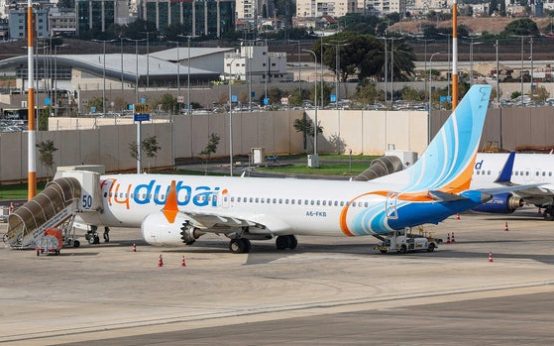 Incident on FlyDubai Flight Raises Security Concerns
  Journalist Gershkovich Discusses Wrongful Detention and Release in Russian Prisoner Swap
 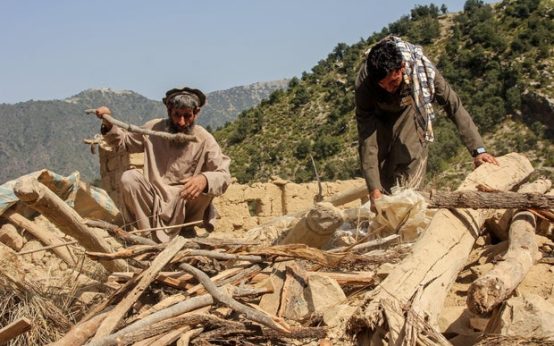 Pakistan Airstrikes in Afghanistan: Civilian Casualties Reported
 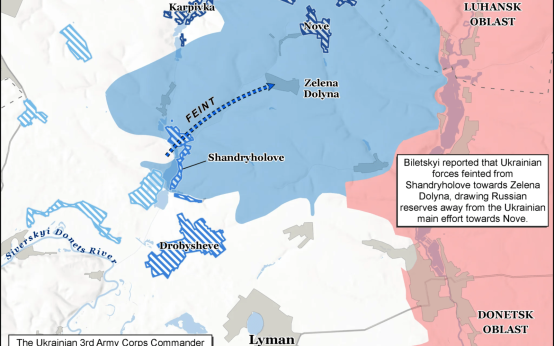 Ukraine Converts APCs to Explosive Devices in Donetsk Offensive
  Dutch Review Board’s Euthanasia Ruling and International Debate
  Israeli PM Commends Heroic Actions in Flight Emergency