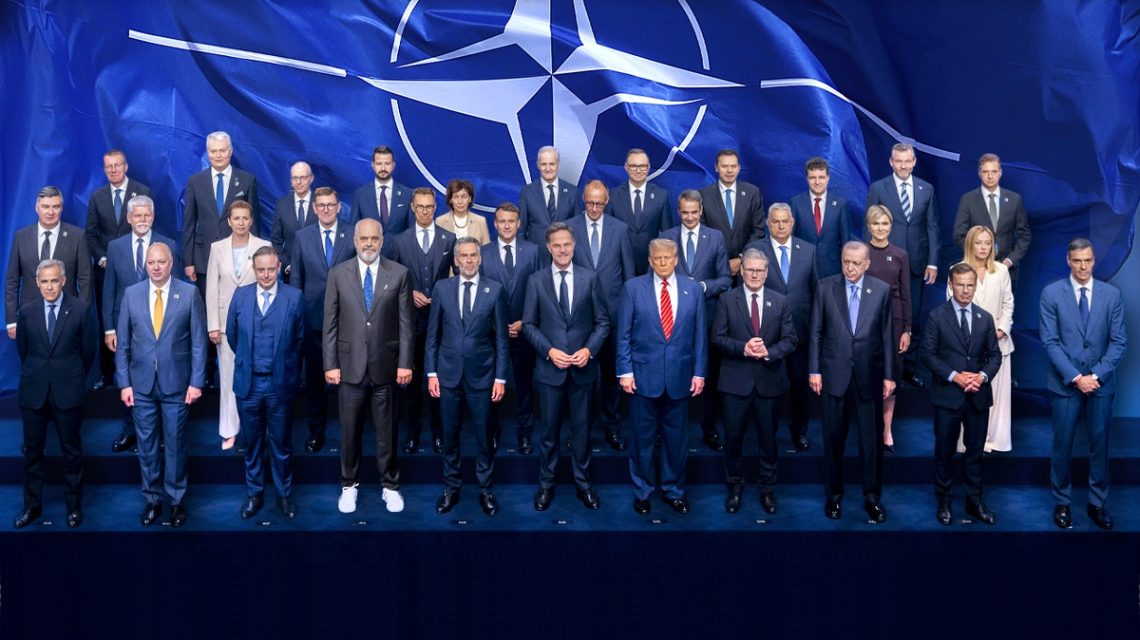
Introduction to NATO’s Imbalance
Over the past three decades, the United States has consistently carried a significant portion of NATO’s military responsibilities. This period saw many European allies investing less in defense than what the U.S. desired. Despite the end of the Cold War, the imbalance remained through several U.S. administrations and discussions about equal burden sharing. However, recent years have witnessed increased defense spending among NATO members, spurred by Russia’s 2022 invasion of Ukraine and pressure from ex-President Donald Trump.
Reasons Behind the Defense Spending Gap
Defense analysts attribute the long-standing gap to a mix of post-Cold War optimism, domestic priorities, and reliance on the American defense umbrella. With the Soviet Union’s fall, NATO’s primary threat disappeared, redirecting European resources to domestic needs and away from military spending. Between 1992 and 1999, defense expenditures among European NATO members decreased by 22%, establishing an enduring pattern of underinvestment that persisted for decades.
Barry Posen, a professor at MIT, notes that Europeans underinvested in defense partly due to low threats and U.S. assurances of ongoing support.
Factors Reinforcing Underinvestment
As defense budgets declined, European governments prioritized social welfare systems like healthcare, pensions, and education, which became ingrained in domestic politics. The U.S. provided a substantial portion of NATO’s military capability, allowing allies to focus on these programs without immediate pressure to enhance defense spending.
Critics argued American taxpayers were subsidizing Europe’s security, resulting in what some describe as a “moral hazard”—the U.S. commitment allowed allies to reduce their military budgets without facing repercussions.
Dependency on American Capabilities
Over the years, European allies increasingly relied on American capabilities, including logistics, intelligence, missile defense, airlift, and nuclear deterrence. This dependency raised concerns about burden-sharing, dating back to 1953 when President Dwight D. Eisenhower warned allies that “the American well can run dry.” Successive administrations pressed for greater European contributions to defense.
Even post-Cold War, President Robert Gates in 2011 warned of a bleak future for NATO if European governments continued underinvesting in their militaries. Yet despite decades of warnings, little changed.
Increased Urgency for Reforms
Russia’s annexation of Crimea in 2014 led NATO to set a benchmark for members to spend at least 2% of GDP on defense. Although spending increased, progress varied across the alliance. Former Deputy Assistant Secretary of Defense Jim Townsend noted they began moving toward this benchmark slowly.
Commonly, burden-sharing discussions followed predictable patterns—U.S. officials urged more defense spending, European leaders promised improvements, and NATO continued relying on American military power. Russia’s aggression and Trump’s questioning of U.S. military commitments finally disrupted this cycle.
Changes in NATO’s Commitment
In 2022, Russian aggression and Trump’s approach altered longstanding assumptions about the alliance, hastening debates that lasted decades. At NATO’s summit in The Hague, allies agreed to a new goal of spending 5% of GDP on defense by 2035, signaling recognition of the more volatile security landscape post-Cold War.
Challenges in Rebuilding Military Power
Analysts caution that restoring military capabilities involves more than budget increases. Europe remains reliant on the U.S. for air defense, logistics, intelligence, and defense industrial capacity. Transforming increased spending into readiness will take years.
Beyond equipment and expenditure, John Byrne of Concerned Veterans for America emphasizes the need for command experience. Decades of large multinational military operations, mostly led by American officers, require sustained institutional knowledge and leadership. Experienced leadership and extensive knowledge can’t be quickly acquired.
 The Threat of Melting Glaciers: A Call to Action
 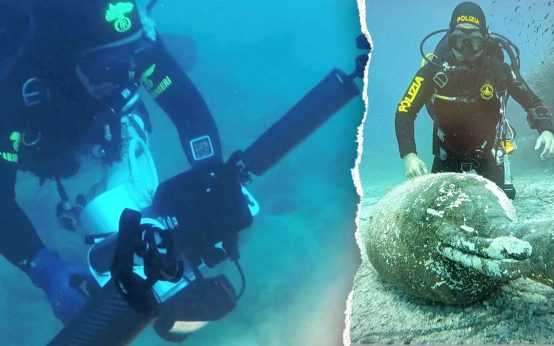 Police Discover Ancient Roman Artifacts Off Sardinian Coast
 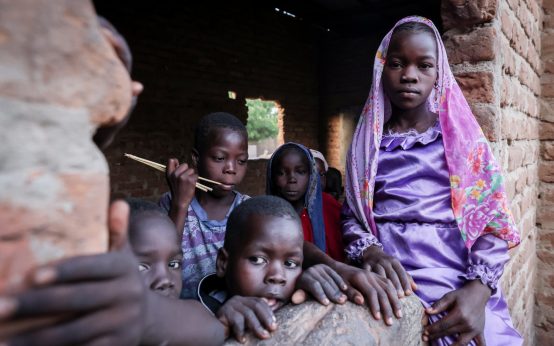 Urgent Need for Action in East Africa’s Food Crisis
 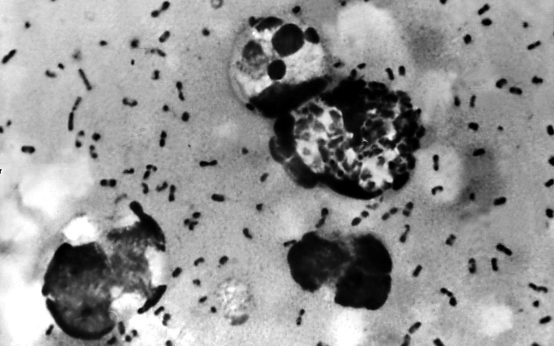 Suspected Plague Death in Siberia Sparks Health Measures
 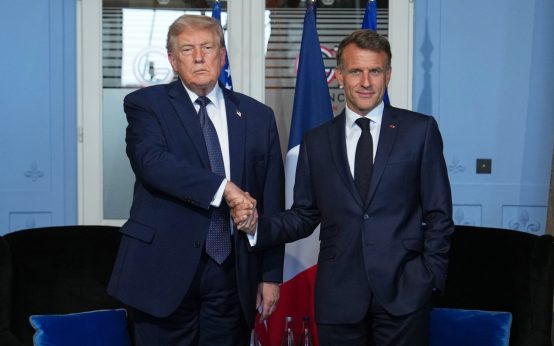 G7 Nations Agree to Release 100 Million Barrels of Oil Amid Fuel Price Surge
  Co-Pilot Attempts Hijack on Flight to Tel Aviv