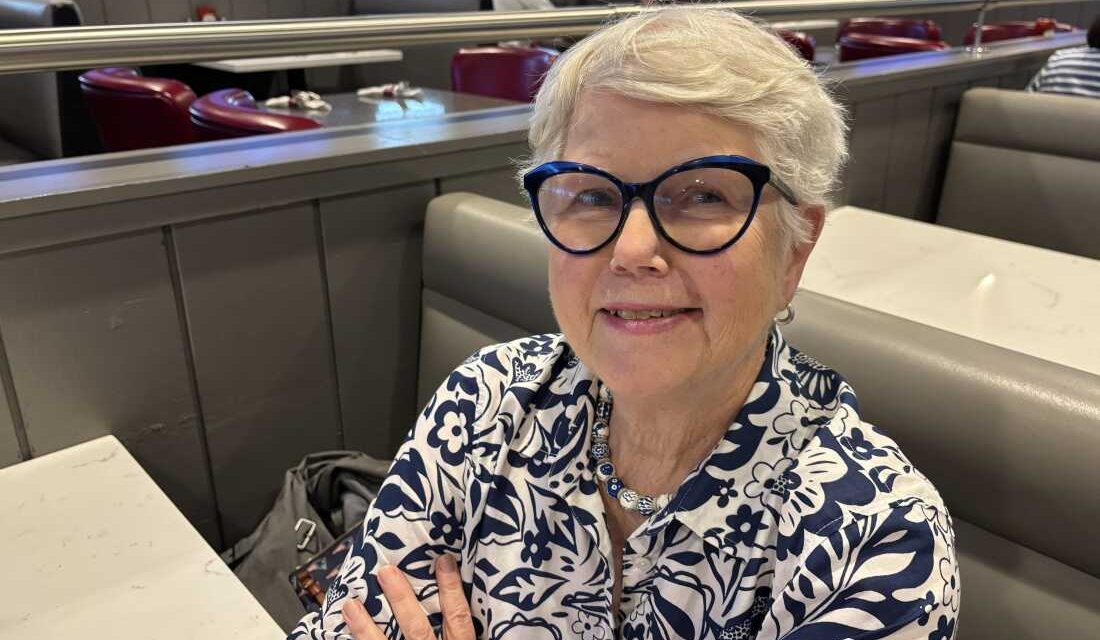
Connie Franciosi, 80, participated in a groundbreaking trial testing an mRNA vaccine combined with an immunotherapy drug, Keytruda, to prevent melanoma recurrence. Diagnosed with melanoma in 2020, Franciosi was considered a late-stage case, increasing the difficulty of treatment and risk of spreading. The U.S. sees about 112,000 melanoma diagnoses annually, resulting in approximately 8,500 deaths.
Post-surgery to remove her melanoma, Franciosi faced a high risk of recurrence and joined a clinical trial testing a new mRNA vaccine. The trial involved 157 patients from Australia and the U.S., all of whom had their tumors surgically removed, to explore the viability of mRNA technology in developing a personalized cancer vaccine.
Dr. Janice Mehnert, a melanoma specialist at NYU Langone Health and a senior author of the trial’s analysis, highlighted the personalization of this approach. After five years, 68.8% of patients receiving the combined treatment remained cancer-free, compared to 49.1% who received only Keytruda, reflecting a 49% reduction in risk. Survival rates were also higher, with 92% alive at five years with combination therapy versus 71% with Keytruda alone.
The study, presented at the American Society of Clinical Oncology conference and published in the Journal of Clinical Oncology, underlines the difficulty in predicting melanoma recurrence. Preventive strategies aim to harness the immune system early. Dr. Sarah Arron, a dermatologist and skin cancer surgeon, asserts the trial’s results signal a significant advance in treating advanced melanomas.
Unlike the universal RNA fragment in COVID-19 vaccines, this mRNA vaccine targets each patient’s tumor-specific neoantigens. It trains the immune system’s T cells to identify and attack cancer cells, lifting the protective shield that cancers use to evade detection.
The trial reported mild side effects, such as chills and injection site pain, and researchers are exploring the application of mRNA vaccines in preventing other cancer recurrences, like lung cancer.
Moderna, in collaboration with Merck, is conducting a Phase 3 trial with nearly 1,000 participants. The goal is FDA approval following the results analysis. Dr. David Berman, Moderna’s chief development officer, notes the immense potential in reducing melanoma recurrence risks.
For Franciosi, the results of the trial are tangible—she remains cancer-free, busy with activities she enjoys, from gardening, engaging with her local library, to playing golf. “Life is good,” she comments, reflecting on her 80th birthday and her satisfying life.
 Understanding Inflammation: Myths and Facts
  Calm Parenting: Strategies to Manage Stress
  Trump’s Executive Order to Combat Mosquitoes and Ticks in D.C.
  Overcoming Weight Loss Challenges: Brain Health and GLP-1 Medications
  Supporting Children’s Mental Health at Home: Practical Steps for Parents
  Abdul El-Sayed’s Strategy to Attract Health-Conscious Voters in Michigan