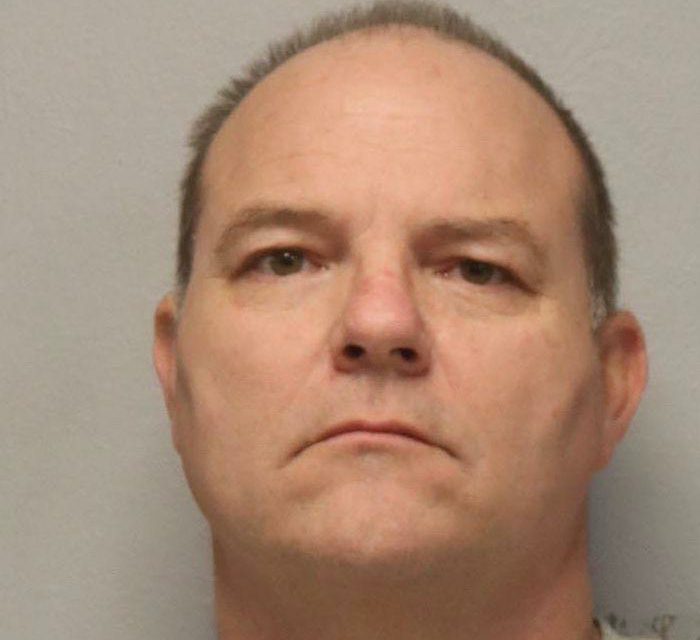
Leaders of a Minnesota church chose not to report a congregation member to the police, despite knowledge of his sexual abuse of girls for years. Meetings were held where children were instructed to forgive the abuser and forget the abuse. If they discussed the incident, they were blamed for the sin.
Confrontation with Fear
A young girl, in her first years of schooling, had revealed to her parents that Clint Massie had inappropriately touched her. Her father took her to a meeting at Bruckelmyer Brothers, where preacher Daryl Bruckelmyer and Massie awaited. Massie asked for forgiveness in front of them. The girl was then forced to embrace her abuser, a decision made by her father and preacher.
Pattern of Abuse
Over approximately 20 years, Massie, a respected member of the Old Apostolic Lutheran Church (OALC), admitted to abusing children within the congregation across two states. His actions were known among church members, with some mothers warning their daughters to avoid him. Church leaders, aware of his actions, never reported the crimes to authorities.
Failure to Act
Despite extensive knowledge of his misconduct, Massie’s abuse continued unchecked. He was sent to therapy but allowed to remain in the church without police involvement. Prosecutors, aware of the situation, hoped educating church leaders about their responsibilities would encourage compliance with the law. In December 2024, Massie pleaded guilty to four counts of felony sexual conduct with minors and received a prison sentence.
Church Protocols and Misinterpretation
Bruckelmyer claimed it was up to victims to report the crimes, misunderstanding mandatory reporting laws. An internal church document suggested conversations between abuser and victim, which can exacerbate trauma for victims. Kimberly Lowe, a church attorney, argued that preachers, as unpaid members, might not be legally obligated to report abuse.
Insular Congregation and Challenges
In a conservative rural community, church members adhered to a simple lifestyle, avoiding modern indulgences. This insularity fostered an environment where abuse could persist without external scrutiny. The minimal structure of OALC meant accountability was limited to individual congregations.
Silence and Revelation
One victim, burdened by mental illness and unable to forget the abuse, spoke out in therapy at 16. This disclosure led to police awareness in 2017. However, a lack of cooperation initially hindered prosecution efforts. In 2023, new allegations surfaced, prompting fresh police investigations and eventual charges against Massie.
A Community at Reckoning
Despite Massie’s conviction, church leaders faced no formal consequences. This lack of accountability left many victims feeling abandoned by their community’s leadership. Chamberlin, a former victim, expressed a newfound sense of justice after Massie’s sentencing and emphasized the need for additional victims to come forward.
Legal and Emotional Battle
The legal journey extended beyond criminal proceedings, with victims pursuing lawsuits against the church. Chamberlin highlighted the enduring impact of the abuse and church culture, advocating for greater transparency and support for victims. Her actions reflect an ongoing struggle for justice within communities bound by silence.
 British Police Arrest Man Suspected of Terror Plot
  Activists Push for Nationwide Ban on Child Marriage in the U.S.
  Investigation into Alleged Incident at Cornell University
  Rising Drone Threats Highlight Vulnerabilities in Moldova’s Airspace Defense
  Bolivia Faces Security Test Amid Unrest
  Incident on FlyDubai Flight Raises Security Concerns