The future of college football is a hot topic, drawing opinions from various figures, including President Donald Trump. Legendary Alabama head coach Nick Saban expressed his concern that Name, Image, and Likeness (NIL) deals might create an endless arms race, marginalizing smaller schools. He did not address other factors, such as rising coaching salaries and facility expenses, and the historical dominance of specific programs in national championships.
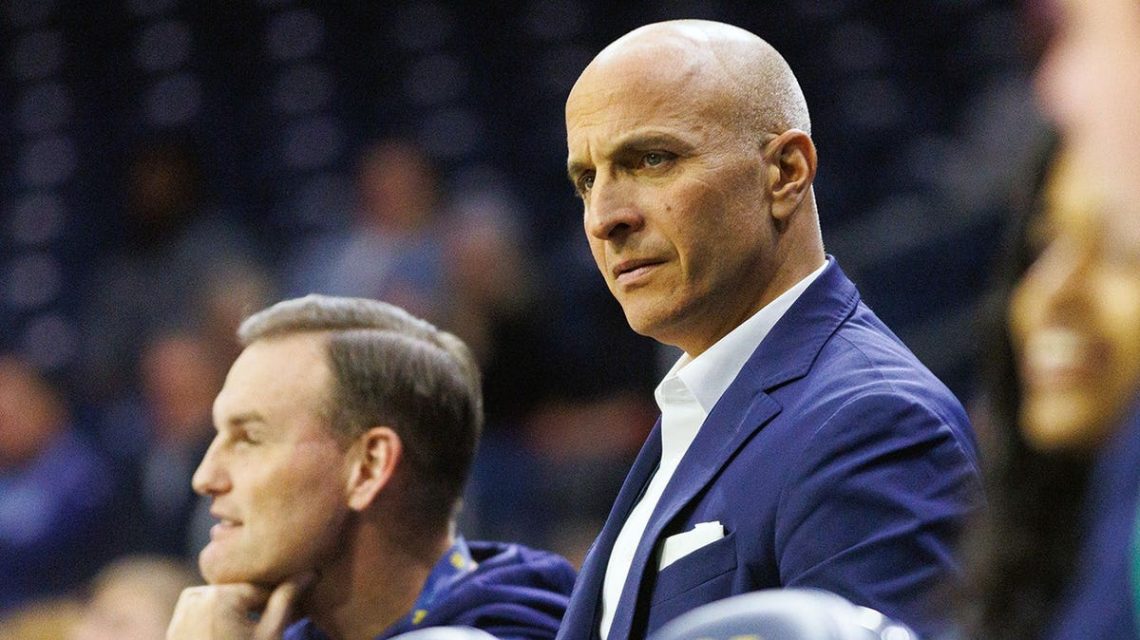
Notre Dame Athletic Director Pete Bevacqua added his voice before Congress, discussing the potential development of a “super league” to boost media rights income. Bevacqua suggested that concentrating 24 to 30 teams could lead to extraordinarily competitive schedules. He mentioned that teams like Notre Dame could face off against top-ranked teams like Alabama, Georgia, Penn State, Ohio State, and Michigan, approaching media numbers similar to the NFL.
Illinois Fighting Illini head coach Bret Bielema responded critically to Bevacqua’s remarks. He questioned Notre Dame’s unique status and suggested that they could simply join a conference. Bielema’s comment underscores a key issue in college football realignment debates: Notre Dame’s independent status and how it fits into broader discussions.
Notre Dame currently enjoys a special agreement allowing them a College Football Playoff spot if they rank in the top 12. This arrangement prompts resistance from other coaches dealing with more demanding conference schedules. The Irish’s independent status enables them to maintain a television contract with NBC, yielding financial advantages over schools within conferences. Their flexible scheduling often positions them favorably for playoff contention, supported by a robust donor base and historic brand appeal.
However, this independence means Notre Dame could face challenges if “super leagues” emerge. Such consolidation could threaten their unique benefits. The Irish sidestep conference difficulties, yet other coaches, like Bielema, question the equity of this system.
To highlight differences, consider the 2026 season schedules. Illinois confronts top teams, including Ohio State and Oregon. In contrast, Notre Dame only faces one top-10 opponent. Illinois must compete for a conference championship, an obligation Notre Dame avoids. Bielema argues that Notre Dame should face similar challenges by joining a conference. Their independence, however, remains a distinct advantage.
The discussion around Notre Dame’s role reflects broader concerns about fairness and competition in college football. If more voices like Bielema’s gain traction, Notre Dame’s current model may face increased scrutiny.
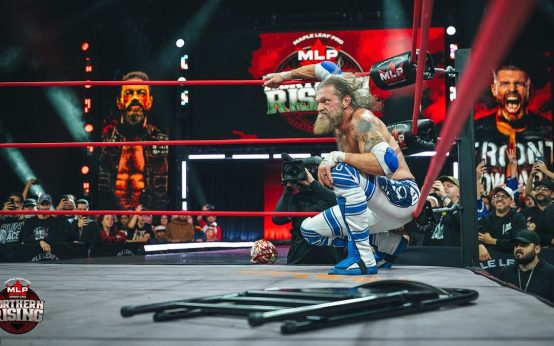 Adam Copeland Shines at MLP’s Northern Rising
 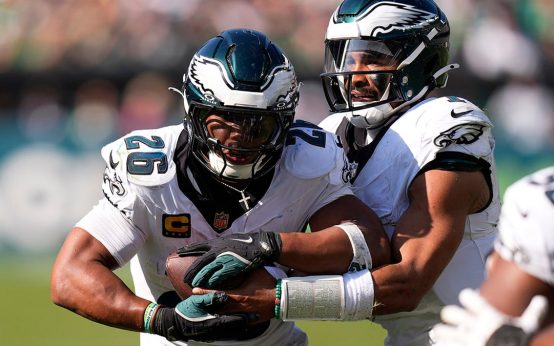 Saquon Barkley Suffers Hamstring Injury Against Rams
 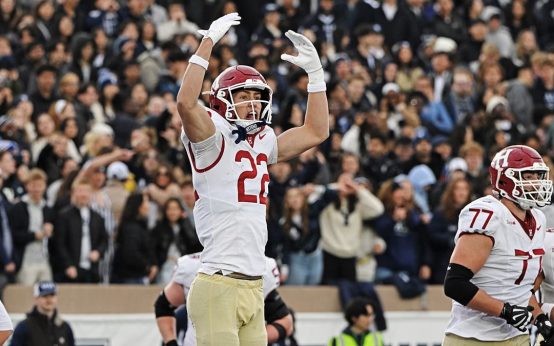 Harvard’s Thrilling Win Over Colgate
 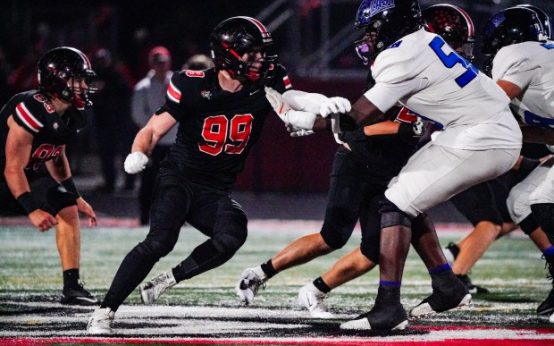 Justin Langford’s Journey from Wrestling Injury to Football Comeback
 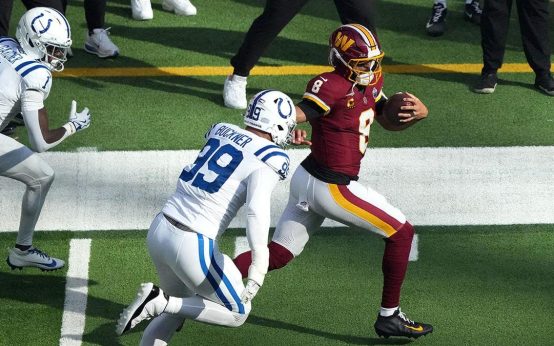 Washington Commanders Face Quarterback Challenges in London
 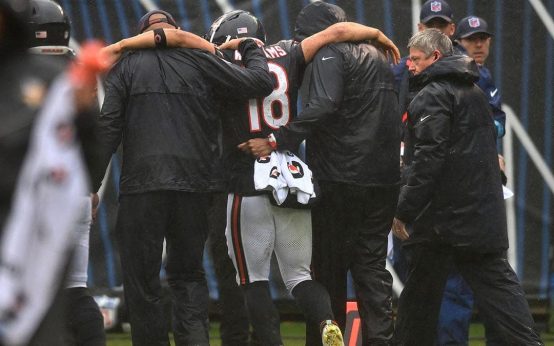 NFL Quarterback Injury Concerns Persist Despite Rule Changes