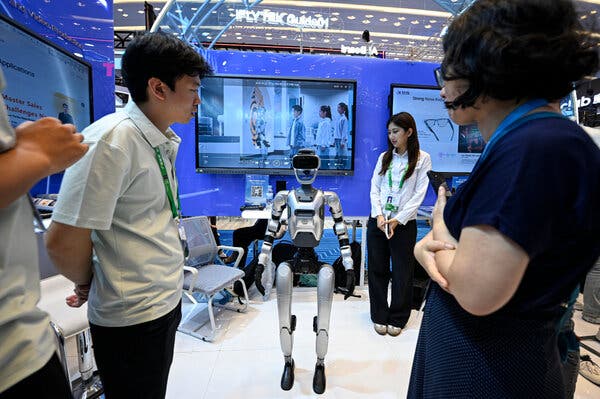
China is increasing measures to keep money, technology, and companies within its borders. The State Council, acting as China’s cabinet, announced new regulations this week that require Chinese companies to undergo national security screening when investing overseas.
This initiative follows rules introduced in April, allowing authorities to interfere when foreign firms attempt to shift supply chains out of China. These actions represent a strategic plan by China to safeguard its technology and supply chains amid escalating tensions with Europe and the United States.
These regulatory changes indicate a shift from open market policies and free trade, which have driven global economic growth and China’s remarkable economic expansion in past decades. Instead, a more fragmented global economy is emerging.
The world’s largest economies, including those in Washington and Brussels, are increasingly opting for trade barriers rather than fostering further economic integration. This trend is partly a reaction to China’s growing influence in key areas such as raw materials, manufactured goods, and technology, as well as the proliferation of Chinese products worldwide.
“We’ve moved away from a world where laws made it easier to allow the flow of capital, people, technology, and trade to go around,” said Ben Kostrzewa, a partner and trade expert at Hogan Lovells in Hong Kong.
Kostrzewa’s statement highlights the shift from the so-called Chimerica economy, a term once used to describe the interconnected economies of China and America.
 British Police Arrest Man Suspected of Terror Plot
  Activists Push for Nationwide Ban on Child Marriage in the U.S.
  Investigation into Alleged Incident at Cornell University
  Rising Drone Threats Highlight Vulnerabilities in Moldova’s Airspace Defense
  Bolivia Faces Security Test Amid Unrest
  Incident on FlyDubai Flight Raises Security Concerns