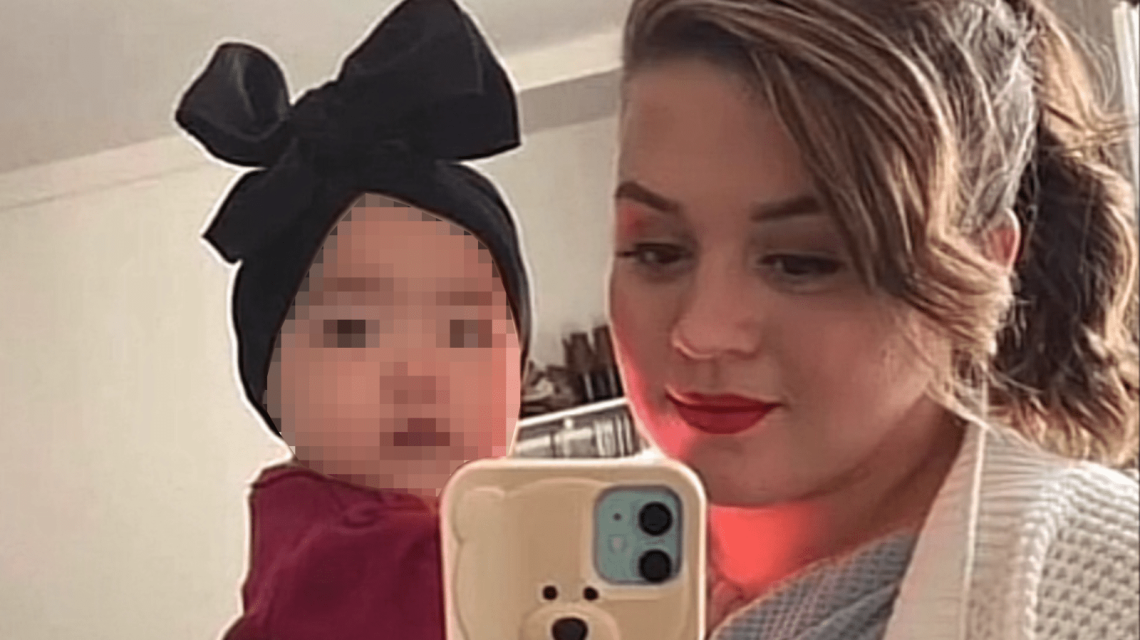
When I first explored the idea of becoming a surrogate, I took the decision seriously. I was a stay-at-home mom facing financial challenges in my first marriage. Initially, I considered egg donation, but the requirements didn’t align. However, the thought of helping another family stayed with me.
After meeting my current husband, Benjamin, in 2015, I raised the topic early. Initially, he wasn’t supportive, considering the emotional, physical, and practical aspects involved. The decision to pursue surrogacy brought a persistent pull. At that time, I was also juggling nursing school and a full-time job, feeling overwhelmed. Eventually, I decided to apply, needing to see where it could lead. Benjamin took time to research, which made all the difference. Conversations with a former surrogate helped him understand the process more personally, leading to a shift in perspective.
I applied and soon matched with intended parents. My first surrogacy experience was significant. The intended parents, who had one child through surrogacy and were expecting another, asked if I would carry a second child. Due to heartbreaking circumstances with another surrogate, they had only a few embryos left. At the time, I was pregnant with their first child, so I decided to wait until after delivery to decide. After a safe C-section, we agreed to proceed with the final embryo.
When pregnant with Emily, none of us anticipated the upcoming changes. By March 2020, the world was changing rapidly with talk of closed borders and canceled flights. As I approached my June due date, I discussed with Benjamin the possibility of us caring for Emily temporarily if her parents couldn’t make it here. Being out of work due to pregnancy and potential risks to my nursing role, we realized we could manage. In May, it became official. The intended parents couldn’t travel from China, and we were asked to care for Emily until their arrival. Understanding the potential alternative of placing her in a children’s home, based on my foster care experiences, I couldn’t accept that outcome. We agreed to care for her.
Emily came home with us, not as our daughter, but a child to love and protect until reunited with her family. Although we understood the temporary nature intellectually, living it was different. We grew to love her deeply. She became part of our lives, calling me ‘mama.’ Emotionally, it was challenging but beautiful. I had never experienced raising a baby girl, and bonding through breastfeeding deepened the connection.
The pandemic shaped the surrogacy experience significantly, resembling fostering, a role I felt drawn to due to my past. It provided a sense of purpose beyond expectations, making me feel exactly where I belonged. We maintained constant contact with Emily’s parents. Even after her dad was able to travel, quarantining with her in China, our connection endured. Calling on FaceTime helped calm Emily during fussy moments, bridging comfort despite the distance.
The time for Emily to go home was as challenging as expected. My kids and I cried. Her absence left a noticeable gap in our lives, though we understood this outcome was the goal from the start.
Emily adapted quickly, reuniting with her older brother, whom I had also carried. Life gradually moved on. A few months later, I unexpectedly became pregnant with my youngest son, healing our hearts without replacing our feelings for Emily. Over the years, I checked in occasionally. Emily no longer recognizes me, which is fine. The surrogacy journey was never about long-term involvement, but providing her parents an opportunity they couldn’t have without surrogacy.
Surrogacy goes beyond financial considerations, involving emotional and complex aspects. A robust support system and clarity in purpose are crucial. Prioritizing the well-being of the child and the family you’re assisting is central. Ultimately, witnessing the family’s joy as they hold their child reveals the true essence of surrogacy: giving a family something they couldn’t achieve alone, leaving a lasting impact.
All opinions expressed are the author’s own. Sherry Santana de Leon, 34, is a surrogate and biological mother, working as a nurse, based in San Bernardino, California.
 Freddy’s American Adventure: From Soccer to College Football
  The Quest for the Knuckleball Dream
  Navigating Grief After a Sibling’s Overdose
  Tragedy and Immigration: The Impact on a Family
  The Journey of a Fox News Correspondent: From Infectious Diseases to On-Air Reporting and Beyond
  Midwest Underground Railroad Network Gains National Recognition