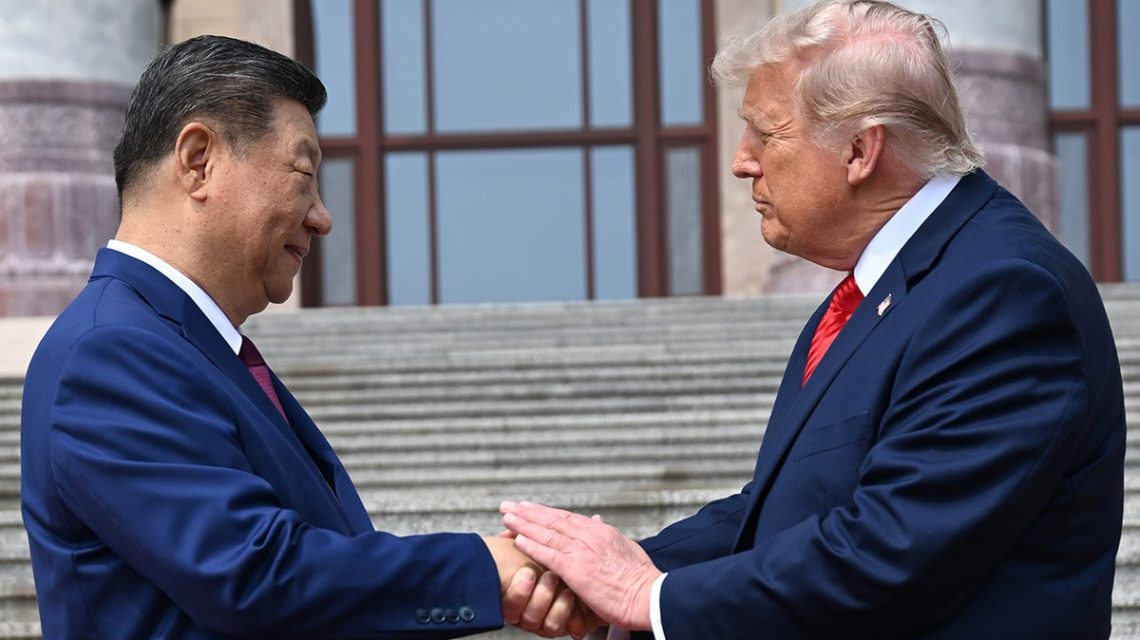
The President of the United States delivered a message to the nation recently, expressing concern over China’s alleged interference in American elections. This matter raises serious questions about the security of the U.S. electoral process and the measures required to safeguard voter information.
Allegations and Concerns
According to the President, Chinese activities aim to affect U.S. elections and public opinion. The claims include unauthorized access to American voter data, such as personal and political information, and attempts to influence business leaders and journalists.
The White House has made public some intelligence documents regarding these claims, although the details remain heavily redacted. The need to verify the claims through independent assessment is crucial.
Academia and Espionage Risks
A significant issue is the number of Chinese students studying in American universities, which are hubs for innovation. Concerns arise from the possibility that such students might inadvertently engage in espionage activities, given their connections to Chinese authorities. Recent policy changes aim to restrict foreign student visas, reflecting fears of intelligence risks.
Impact on Chinese Student Visa Policies
Previously, the U.S. administration had accepted a large number of Chinese students as part of its international education policy. These actions were part of broader diplomatic efforts, though they faced opposition from some quarters due to espionage concerns.
Political discussions around these policies highlight differing views within the administration. Some officials advocate for strict restrictions on visas for individuals linked to the Chinese Communist Party, especially in sensitive research fields.
China’s Strategic Objectives
Experts believe that China’s strategic goal involves becoming the dominant global power. The focus is on advancing technology sectors like space and quantum computing, using data from abroad to strengthen these fields.
This scenario poses a challenge for the U.S. to protect its security interests and ensure transparency in its scientific and academic collaborations.
Looking Forward
The ongoing discourse encourages bipartisan efforts to secure electoral infrastructure and reduce vulnerability to foreign interference. It underscores the necessity of protecting national security while maintaining diplomatic and educational relations with other countries.
The call to reassess visa policies related to Chinese nationals could form a significant part of U.S. efforts to counter foreign espionage and influence.
Rebeccah Heinrichs is a fellow at the Hudson Institute, focusing on security issues, with an emphasis on missile defense and nuclear deterrence.
 Defense Secretary Emerges as Key Player in the Trump Administration
  Hegseth’s Vision for the Military: Balancing Tradition and Innovation
 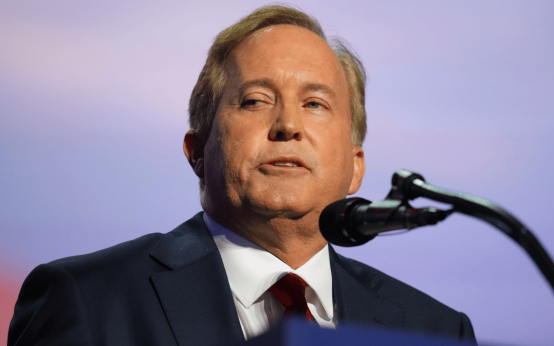 Significant Funding Boosts Ken Paxton’s Texas Senate Campaign Amid Tight Race
  U.S. States Extend Gas Tax Waivers Amid Rising Fuel Costs Due to Iran Conflict
  USCIS Raises Immigration Fees
 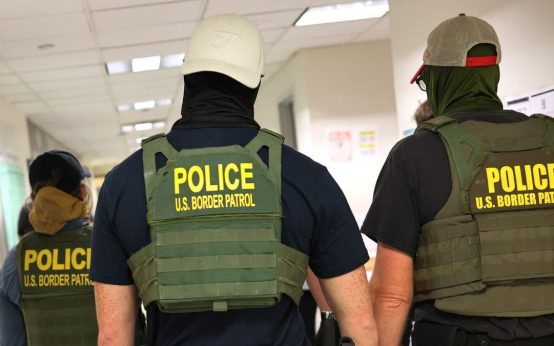 The Surveillance Threat to U.S. Federal Agents