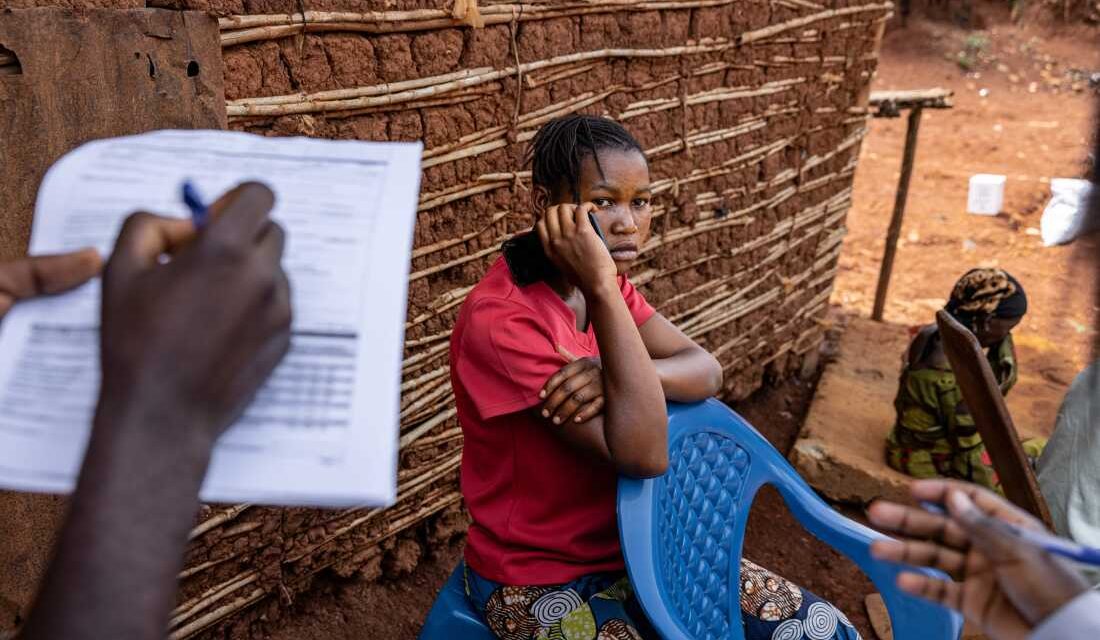
The Democratic Republic of Congo faces a critical challenge in controlling the ongoing Ebola outbreak. Health investigators are actively engaging with individuals in contact tracing efforts to identify those who have interacted with infected persons. The aim is to halt the spread of the virus, which lacks an approved vaccine, by staying a step ahead.
Contact tracing involves quickly locating potential routes of virus transmission. This process is crucial, as explained by Armand Sprecher, an infectious diseases physician with Doctors Without Borders. Sprecher highlights the method: “We find a sick person and ask, ‘Who was in contact with that sick person? Who took care of them? Who did their laundry, who touched them? Or who went to a burial where somebody had died of this?'” Fluids can transmit the virus, and identifying those exposed can prevent further transmission and enable faster care if symptoms develop.
Despite rigorous efforts, health officials admit they lack effective control over the current outbreak. More than 1,000 lives have been lost, with over 2,400 people affected, and daily infection rates show no signs of decline. Alarmingly, over 80% of new cases emerge outside known contacts, indicating a significant gap in tracing efforts. As Nahid Bhadelia from Boston University states, this suggests more undiagnosed cases and insufficient tracing capabilities.
The outbreak’s location poses additional challenges due to transient worker populations and regional conflicts, complicating contact tracking efforts. The World Health Organization (WHO) is training 21,000 community workers to improve tracing, yet transmission chains continue beyond health officials’ visibility until severely ill or deceased individuals come to attention.
Moreover, WHO reports that two-thirds of Ebola-related deaths occur outside healthcare systems. Patients often seek traditional healing methods or stay hidden due to fear or mistrust. Boghuma Titanji from Emory University notes Ebola carries significant stigma, adding, “There’s mistrust towards medical science and those investigating the outbreak.” This secrecy hampers response efforts, akin to witnessing only the “tip of the iceberg,” without comprehending the full scope.
Building trust with communities is essential but challenging. Bhadelia sees hope in recently launched clinical trials for treatments and protective drugs against Ebola. She believes access to promising treatments could enhance trust, encourage clinic visits, and strengthen collaboration with contact tracers.
Bhadelia underscores the need for broader access to these therapies through clinical trials, envisioning potential increased community engagement. She states, “Better care can attract more people to seek help.” Enhancing treatment prospects is vital for reducing outbreak impact and regaining control over Ebola spread.
 Understanding Inflammation: Myths and Facts
  Calm Parenting: Strategies to Manage Stress
  Trump’s Executive Order to Combat Mosquitoes and Ticks in D.C.
  Overcoming Weight Loss Challenges: Brain Health and GLP-1 Medications
  Supporting Children’s Mental Health at Home: Practical Steps for Parents
  Abdul El-Sayed’s Strategy to Attract Health-Conscious Voters in Michigan