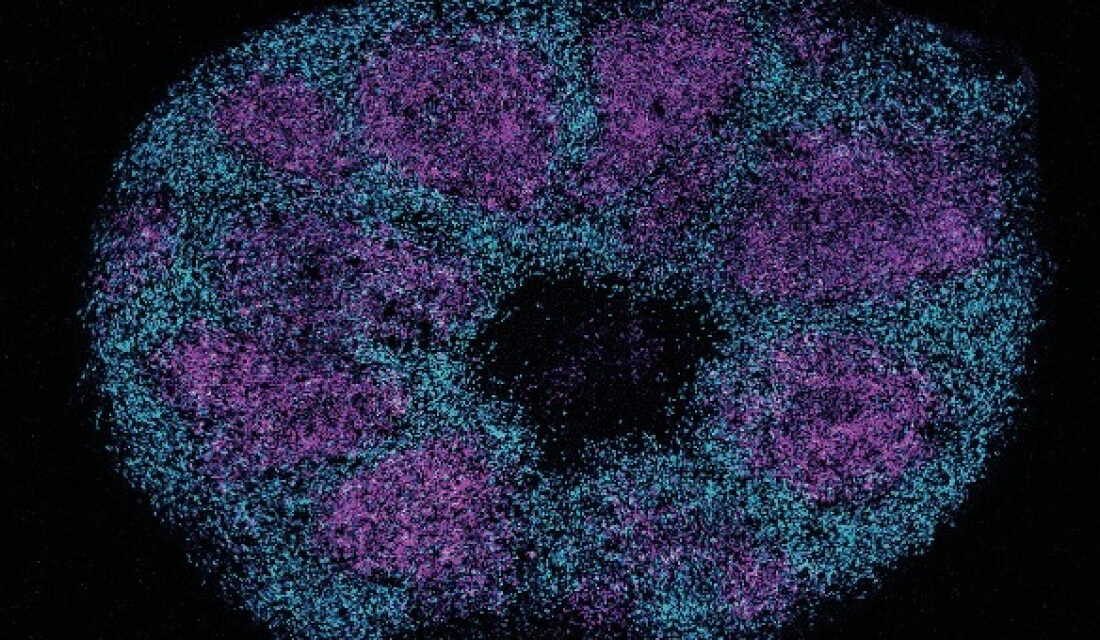
This article examines how scientists are using organoids to study autism. Organoids are lab-grown tissues that model the human brain. A recent study used brain organoids to investigate key protein interactions linked to profound autism.
Researchers from UC San Francisco mapped interactions between proteins from certain autism risk genes. The study, published in Science, provides a molecular atlas that could aid in developing new treatments.
It’s an unprecedented resource for the field,says Dr. Daniel Geschwind, a genetics expert not involved in the study.
For families affected by profound autism, the study offers hope for future drug therapies. Alison Singer, president of the Autism Science Foundation, emphasizes the importance of this scientific advance.
Understanding Profound Autism
Individuals with profound autism often have severe intellectual disabilities. They may be nonverbal and require constant care. The biology behind this form of autism involves complex interactions of genes and environmental factors.
Some researchers have identified genetic mutations common in those with profound autism. However, translating these findings into treatments has been challenging.
Mapping Protein Interactions
Proteins execute functions based on genetic instructions. Scientists sought to understand these proteins’ roles by mapping interactions. They injected proteins from high-risk autism genes into cells, observing how they connected with others.
The researchers used AI, including Google’s AlphaFold, to determine protein interactions. AI accelerated insights, previously taking years to achieve.
The Role of Mutations
Researchers studied how mutations in autism patients affected proteins. They introduced these mutations into lab-grown tissues and frogs to observe changes.
One example involved mutations disrupting connections between proteins that regulate cell genes, leading to defects.
The Path to Treatments
Mapping over 1,800 protein interactions revealed shared biological pathways. These pathways, particularly those related to brain development, offer potential drug targets.
If we look at multiple mutations and they converge on the same process, that’s strong evidence that you’re dealing with the things that you want to treat,says State.
This study could streamline approaches by focusing on protein pathways, instead of addressing each gene individually.
Future Developments
Translating these findings into drugs will take time, but the study sets a vital foundation. Researchers aim to develop drugs targeting these protein interactions. Advances in AI and treatment successes in other fields, like cancer, may speed progress.
The Quantitative Biosciences Institute recently received substantial funding to continue this work. Scientists remain committed to advancing treatments for profound autism.
 Increased Funding Needed for Psychiatric Hospitals
  Trump Administration Distributes ACA Refund Checks
  Higher Consumption of Ultra-Processed Foods Linked to Increased Health Risks
  Understanding Inflammation: Myths and Facts
  Climate-Resistant Rock Glaciers: Hidden Water Resources
  California Voters to Decide on $7.5 Billion State Research Fund