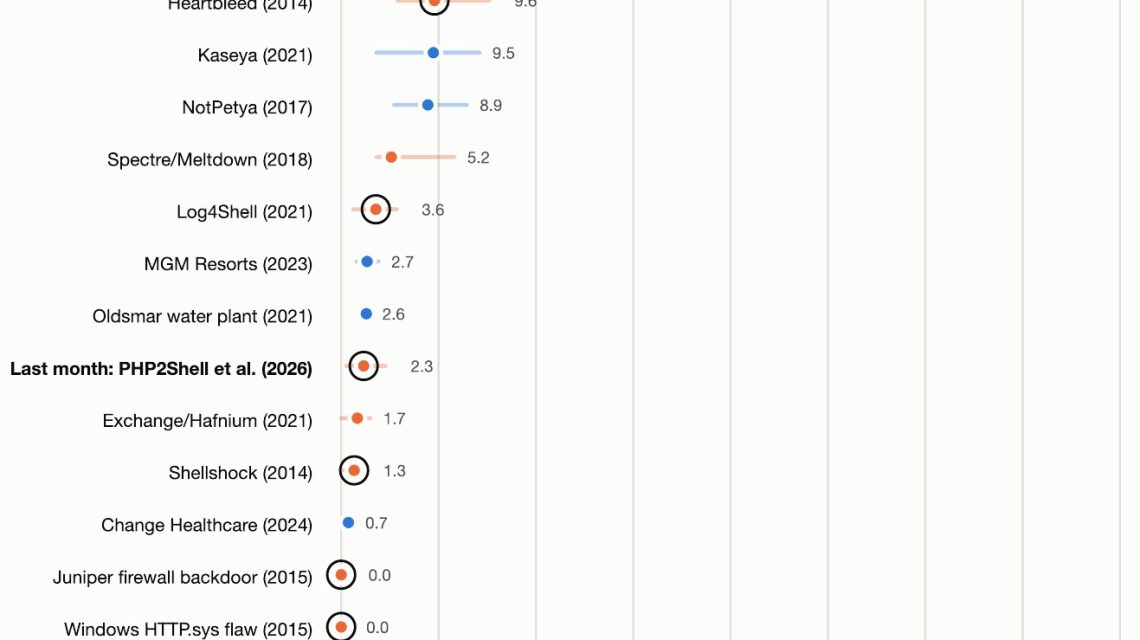
PHP2Shell, a pair of vulnerabilities in the PHP programming language, recently came to light. These flaws could allow attackers to take over web servers. They had been in the code since at least 2012, discovered by a researcher with the help of an OpenAI model. PHP maintainers released a patch on October 21, but attacks had already started. Notably, a patch only protects servers where it is installed.
AI’s role in understanding and exploiting vulnerabilities has grown. AI can identify what a patch fixes and how to exploit the flaw. This used to be the work of intelligence agencies or skilled hackers. However, the defenders are lagging. Qualys reported 167 million PHP installations among its customers, with only a fraction updated soon after disclosure. The delay in updates can extend to weeks.
On October 27, Anthropic revealed that its Claude model developed an exploit targeting a flaw in how some Linux servers handle network connections. Although Linux developers had patched this on October 5, as of November 2, Ubuntu had not released the fix. Unpatched vulnerabilities are the common starting point for severe attacks.
An example is the 2017 Apache Struts vulnerability, patched in March. Equifax didn’t apply the patch, leading to a breach affecting 147 million Americans. Media coverage often examines breaches but overlooks related patches. A study showed minimal media focus on major cyber vulnerabilities compared to disasters.
During October, CNN, Fox News, NPR, and USA Today published over 5,600 stories. Few covered PHP2Shell or other significant vulnerabilities. The New York Times, The Washington Post, and The Wall Street Journal also provided limited coverage. Most vulnerabilities don’t attract headlines, yet some impact wide audiences.
Increasingly capable AI drives the rise in published vulnerabilities. While identifying and addressing vulnerabilities improves security over time, many unpatched targets are at risk now. A similar approach to weather alerts could inform the public about critical vulnerabilities. CISA, the federal Cybersecurity and Infrastructure Security Agency, is in a position to issue such public alerts.
News outlets routinely cover recalls of cars and food. Cybersecurity warnings deserve similar attention. The incoming Congress will address AI regulation and resource allocation for alert agencies. AI companies are cautioning that the situation may worsen. Jason Clinton, Anthropic’s deputy chief information security officer, advised seeking immediate board-level help.
AI’s weekly advancements reshape threats, but the response remains a human responsibility. Lawmakers, corporate leaders, and the public must be informed to make decisions. Equifax had a two-month window to patch, yet PHP2Shell saw attacks even before patches were applied. Proactive alerts, rather than reactive responses, are vital for public protection.
 The Jensen Huang Controversy: Silicon Valley’s Divided Opinion
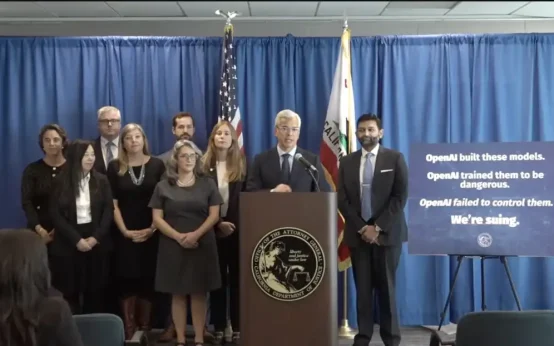 California Lawsuit Against OpenAI: Key Details and Implications
 Updates on Key International and Domestic Events
 E.l.f. Cosmetics Breaks Makeup World Record at TwitchCon
 Understanding Credit Freeze, Fraud Alert, and Identity Monitoring
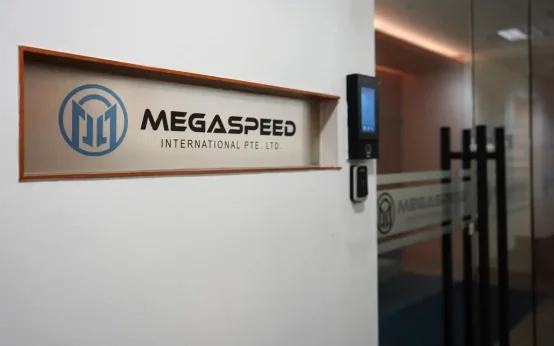 U.S. Restricts Remote Access to AI Chips Amid National Security Concerns