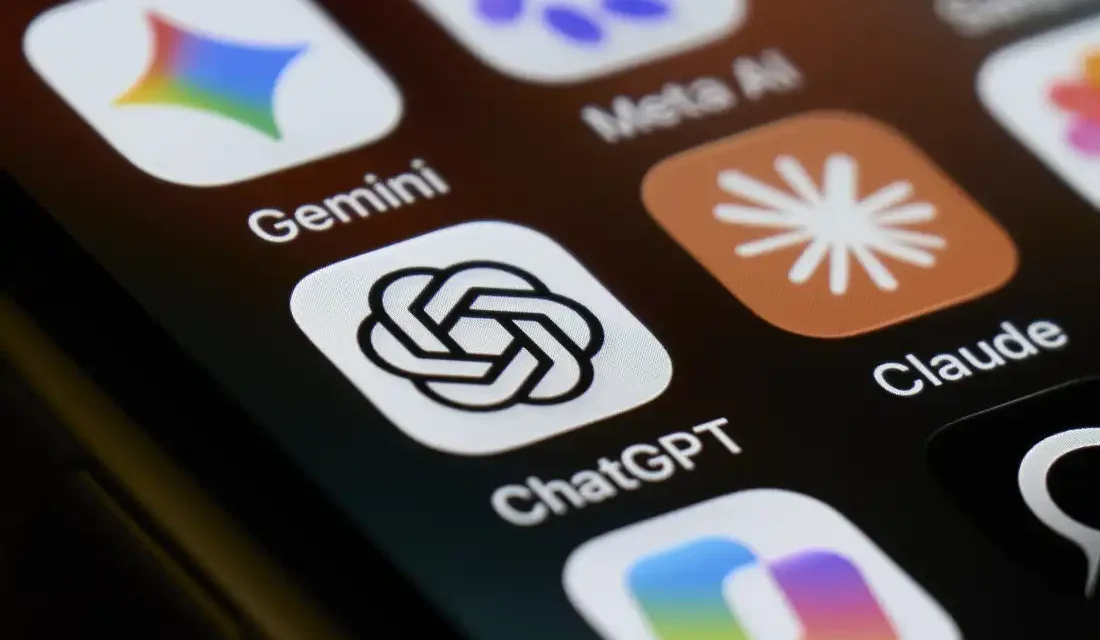
Survey data from Common Sense Media reveals that nearly half of children aged 9-to-12 have engaged with AI chatbots or companions. By age 13, this usage rises to almost three-quarters of kids. AI chatbots are becoming a part of everyday life for young Americans. Two surveys indicate that nearly two-thirds of tweens and teens use these digital tools regularly. Most turn to them for school work assistance, companionship, and emotional support, yet some uses correlate with poorer mental health symptoms.
Early Adoption and Prevalence
The Common Sense Media survey highlights that AI use begins well before the popular chatbots’ age limit of 13. Nearly half of kids aged 9-to-12 have interacted with an AI chatbot. By age 13, usage surges to nearly three-quarters. The JED Foundation survey encompasses 5,500 students aged 9-to-17 across the nation and shows 90% have used AI chatbots. About two-thirds use AI for both academic purposes and as an outlet when feeling stressed, lonely, anxious, or overwhelmed.
Thoughts from Experts
Anne Maheux, a developmental psychologist at the University of North Carolina, Chapel Hill, finds these developments notable. “The rapid increase in AI usage among kids and teens is striking,” she observes. She notes the dual role chatbots play: aiding homework and offering emotional support. For instance, 15-year-old Arjun Sharda from Round Rock, Texas, employs AI chatbots to practice test questions and grasp complex topics. He favors Google’s Gemini over OpenAI’s ChatGPT.
Meanwhile, McKenzie Craig, 17, in Raynham, Massachusetts, uses chatbots to manage overwhelming task lists and refine her assignments with tools like Grammarly and ChatGPT.
Mental Health Considerations
Chatbots’ influence on mental health was scrutinized by JED Foundation researchers. Their survey of students on well-being and mental health symptoms identified concerning correlations. Psychologist Kayla Anderson of the JED Foundation reports, “Young users who seek AI during emotional distress report worse mental health outcomes.” These individuals often have a history of suicidal thoughts or attempts. However, Anderson warns against assuming a direct causal relationship, emphasizing the need for further exploration.
Preliminary findings from other research, according to Maheux, hint at a dual effect. “Kids with mental health struggles seek AI, but AI use might worsen these issues.” In a study on middle schoolers, Maheux found that dependency on AI for companionship increased loneliness. Young adults facing similar issues suggest the same trend. Frequent AI use without developing real-world coping skills could exacerbate mental health issues, inadvertently worsening young people’s ability to navigate life’s challenges.
 The Jensen Huang Controversy: Silicon Valley’s Divided Opinion
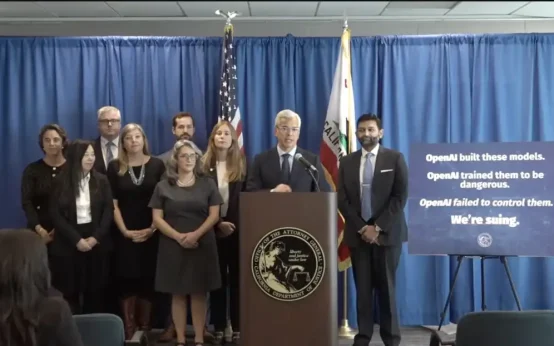 California Lawsuit Against OpenAI: Key Details and Implications
 Updates on Key International and Domestic Events
 E.l.f. Cosmetics Breaks Makeup World Record at TwitchCon
 Understanding Credit Freeze, Fraud Alert, and Identity Monitoring
 U.S. Restricts Remote Access to AI Chips Amid National Security Concerns