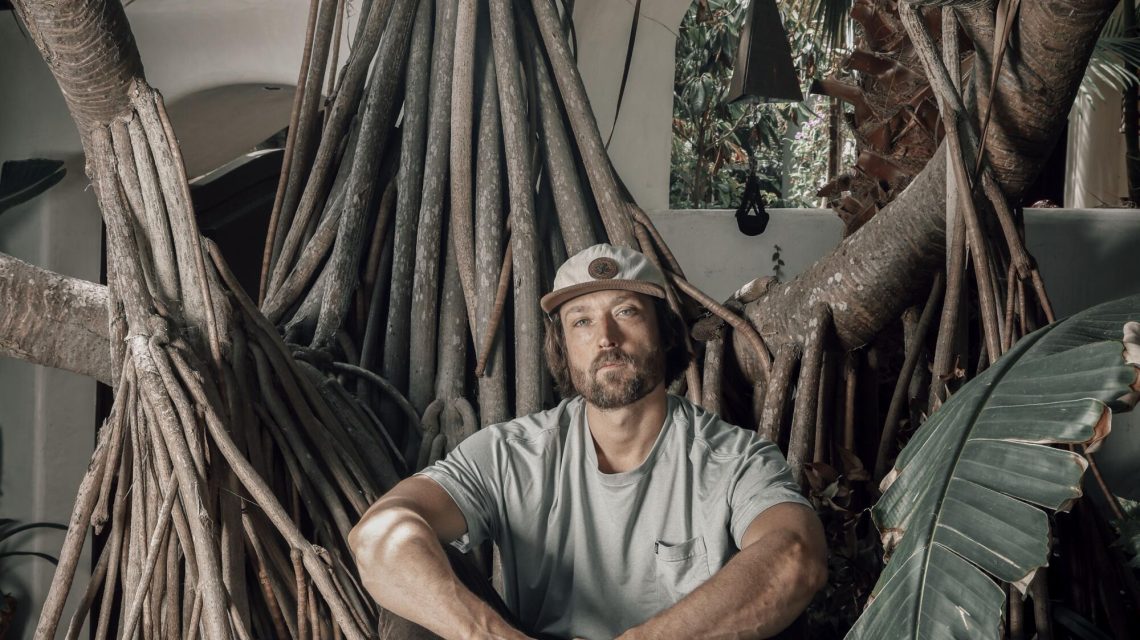
The Southern California reggae band Stick Figure, known for its popularity, experienced unexpected attention with the single “Run Run River.” Though the group, led by Scott Woodruff, enjoyed significant success with billions of streams over eight albums, a challenge emerged from an AI-manipulated version of their 2019 hit “Angels Above Me.”
Founded by Woodruff in the mid 2000s, Stick Figure has become a major independent act with a strong touring presence in San Diego and Lake Tahoe. Billboard in 2022 noted the band as the “world’s top selling living reggae artist.” The altered song “Run Run River,” created without permission, caught attention on Shazam, rising to No. 2 and amassing millions of plays.
Initially, neither Stick Figure nor its members were credited, which led to financial losses while others profited. The band’s team took significant measures to redirect attention to the authentic artist. However, this incident illustrates a broader industry issue where AI processes reshape songs and seek profit without credit.
“They didn’t credit us. We were just being ripped off,” Woodruff stressed to The Times.
AI-generated tracks have disrupted music platforms, with services like Deezer reporting a daily upload of 75,000 AI-created songs in April, comprising much of the newly added music. Their CEO, Alexis Lanternier, urged collaborative efforts to protect artists’ rights.
Major platforms also combat spam, such as Spotify’s removal of 75 million AI songs last year. Illegal activities, like Michael Smith’s fraudulent $8 million AI-streaming scheme, further underscore the challenges.
The origin of the Stick Figure song’s altered version traces back to South Africa. A local TikTok user re-uploaded “Run Run River” under a new title, evading detection. The edit propagated through various accounts, showcasing a pattern of manipulation without credit.
Stick Figure’s representatives faced substantial revenue and reputation concerns, advocating against the unauthorized remix. They emphasized that AI alterations cannot legitimately claim cover or remix status.
While Stick Figure itself has performed legitimate cover versions, such as one of Green Day’s “Boulevard of Broken Dreams,” the methods used for “Run Run River” significantly differ. Woodruff criticized the quick, cost-free nature of AI manipulations.
“You can make 10 new versions in minutes,” Woodruff noted, lamenting the changing landscape.
The artistic value loss hit harder than financial concerns. “Angels Above Me” held personal significance for Stick Figure, resonating with fans at live shows who faced loss.
The band’s management assessed millions lost to AI-edited streams and impressions. Decisions on resource allocation to counter the spread of fake versions remain a concern.
Amid difficulties, fans advocated for acknowledgment of Stick Figure’s contributions in online discussions. The engagement demonstrated a lasting connection between the band and its audience. Though tempted to negotiate with the track’s creator, no agreement was reached.
The band resolved to offer an authentic remix, “Run Run River (Angels Above Me),” featuring David Guetta and Alok. This response highlights the broader disruption AI poses to traditional music distribution and artist recognition.
Record labels and platforms, like Spotify, are developing technologies and partnerships to manage AI innovations, aiming for fair royalties and transparent crediting. The latest advancements, although promising, stress the need for systems capable of timely AI identification and artist protection.
Despite frustration, Woodruff expressed optimism. His established fan base continues to support his work, spreading awareness of the true source of the viral hit.
 Senate Democrats Block Data Center Bill Over Efficiency Concerns
  Future Cities: Ambitious Projects Aiming for Innovation and Sustainability
 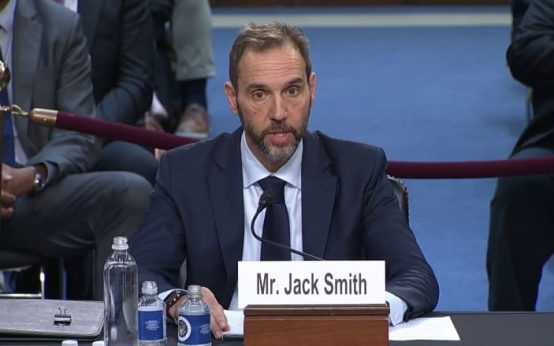 High-Profile Hearing and AI Developments: Key Political Moves
 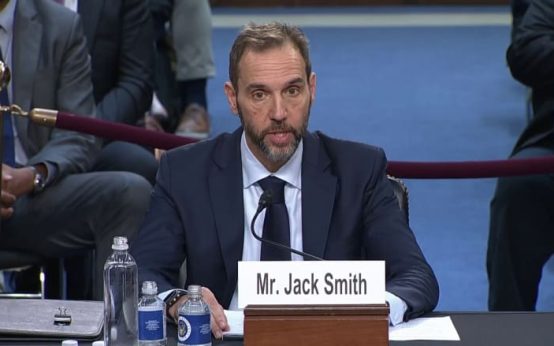 Key Events in Today’s Discussions Involving Jack Smith and President Trump
 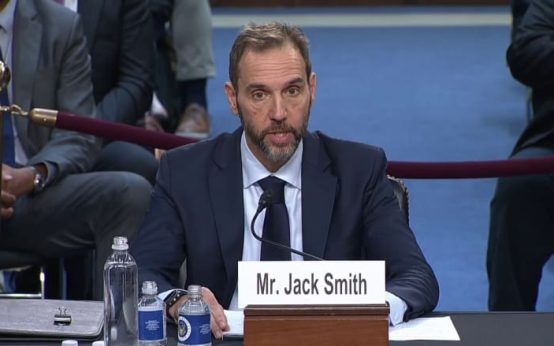 Jack Smith Faces Scrutiny Amid Investigations into Trump
  Olivia Rodrigo’s Unraveled Tour Begins with Dramatic Costume Change