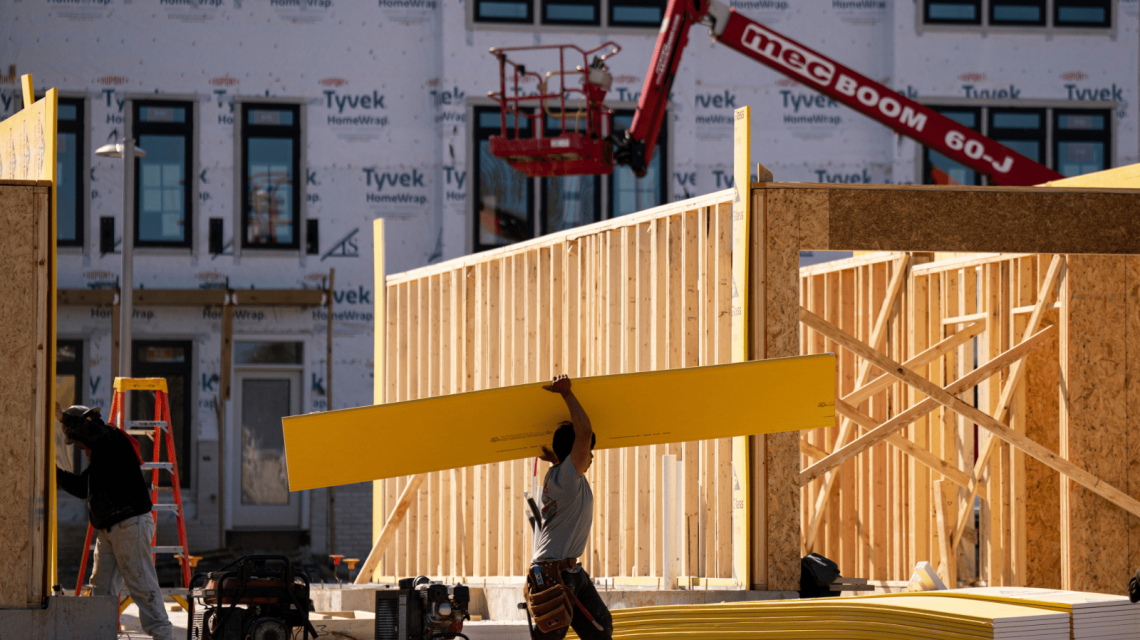
The rapid expansion of AI infrastructure is introducing a new challenge for the U.S. housing market: competition for construction workers. Ed Brady, CEO of the Home Builders Institute (HBI), explains the booming AI data center sector is drawing skilled tradespeople away from housing projects when the homebuilding industry already faces a labor shortage. This trend exacerbates America’s housing shortage.
Brady noted that many in the housing sector have shifted to data centers. The skilled-trades industry currently has a deficit of about 300,000 workers, and data center construction is worsening the issue.
Demand for Workers at AI Data Centers
The demand for AI services has sparked significant investment in data centers, which are essential for AI platforms. Companies like Amazon, Microsoft, Google, and Meta plan to invest over $300 billion in AI infrastructure and data centers by 2025, creating construction opportunities requiring numerous skilled workers such as electricians, plumbers, and steelworkers.
These workers are attracted by higher wages and longer-term projects, with some experiencing pay increases of 25 to 30 percent. This situation presents challenges for homebuilders, who have struggled with labor recruitment since many left the industry post-2008 financial crisis. Additionally, the retirement rate in skilled trades outpaces the entrance of new workers.
The Housing Impact
Labor shortages have direct effects on homebuyers. In an interview with Homes.com, Brady advised that workers leaving residential construction for AI projects may not return, even as housing demand rises. Residential construction suffers because commercial projects often provide steadier employment and better compensation.
HBI research indicates that the skilled-labor shortfall costs homebuilders approximately $10.8 billion annually and prevents the construction of around 19,000 homes each year. NAHB warns that data-center projects are also competing for land, especially in areas like Northern Virginia, known for high concentrations of data centers. This competition for sites, described as “servers over shelter,” is reshaping development patterns.
Perspective on the Boom
Nvidia CEO Jensen Huang presents a positive view, suggesting data-center construction offers new well-paying jobs for blue-collar workers. Economists, however, highlight that booming wages in data centers may lead to economic effects elsewhere.
Joel Berner, a senior economist at Realtor.com, stated that the aging construction workforce adds to challenges, increasing labor costs and extending timelines for new home construction. For homebuilders, the primary concern lies in training sufficient workers to meet demands in both sectors.
Brady stressed that without investment in workforce training, the problem would worsen. As AI investment rises, the conflict between data-center and housing construction demands poses a growing challenge.
 Historical Events in Chicago on October 1st
  Trump’s 2024 Campaign Targets Young Men Through Cryptocurrency
  How Modern Windows Improve Home Insulation
  State Department Simplifies Passport Process with Online Applications
  Patrick McEnroe Advocates for Collegiate Athletic Reform
  Push for Reparations Faces Challenges and Calls for Strict Eligibility