
Recent findings of a British naval drone unintentionally sharing data with China highlight a significant security concern. During a cybersecurity audit, the U.K. Ministry of Defence uncovered a breach where a component in their naval drones was sending data to China. While the drone belonged to Britain, the breach introduced a foreign vulnerability.
China’s Strategy
China’s approach includes intellectual-property theft and cyberespionage as a means of embedding itself into Western supply chains. This access allows China to collect intelligence and introduce vulnerabilities that can be exploited against adversaries. The standard reaction involves restricting Chinese technology only after acute risks become apparent, leading to costly efforts to remove and replace compromised equipment in American infrastructure.
The Automotive Sector at Risk
China’s expansion into the automotive sector presents new espionage and sabotage threats. China has become a dominant force in vehicle exports, especially in electric vehicles, batteries, software, and connected technologies essential to modern cars. This development poses a direct national security threat as these vehicles gather extensive data through internet-connected systems and software managing crucial functions.
Chinese vehicles on U.S. roads could enable surveillance and potential remote manipulation. Additionally, Chinese-made components in foreign cars pose similar risks, potentially providing China with detailed intelligence on crucial locations and travel patterns.
Legislative Action
The bipartisan Connected Vehicle Security Act, introduced by Sen. Bernie Moreno and Sen. Elissa Slotkin, addresses these concerns. It builds on the Commerce Department’s existing rule, restricting technology linked to foreign adversaries. By preventing foreign access to automotive technologies, sensitive data collection and remote vehicle manipulation risks are minimized. While present executive rules could be reversed, only Congress can ensure long-term security safeguards.
This Act extends protections beyond vehicle imports to the integrated software, communications, and components within them. With unanimous advancement in the Senate Commerce Committee, passing this legislation would provide enduring national security.
Chad F. Wolf served as acting Secretary of the U.S. Department of Homeland Security during President Trump’s first term.
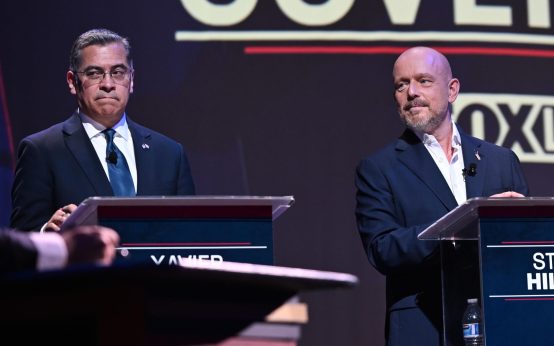 Becerra and Hilton Clash in California Gubernatorial Debate
  California Voters to Decide on $7.5 Billion State Research Fund
 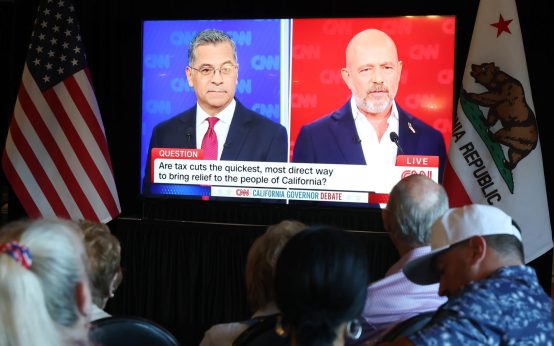 Highlights from the California Gubernatorial Debate: Becerra vs. Hilton
 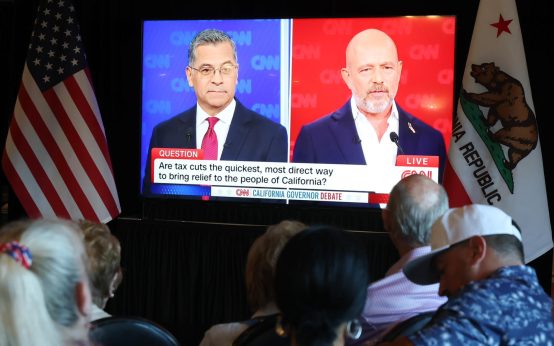 Becerra vs. Hilton: The Debate and Key Issues in the California Governor Race
  Senate Confirms New Labor Secretary
 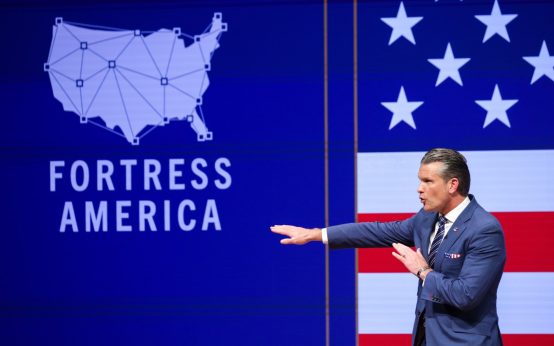 Hegseth’s Ambitious Military Initiatives to Reshape Warfare