
Halimah Delaine Prado, Google General Counsel, addresses a concerning trend: the rise of AI-powered phishing scams. These scams, originating from an outsider enterprise in China, employ artificial intelligence to craft convincing fake websites. These sites impersonate trusted brands like T-Mobile, defrauding hundreds of thousands of Americans and causing millions in losses. Prado elaborates on Google’s strategies to combat these evolving threats.
Hidden Threats in Streaming Devices
A new warning emerges around cheap streaming boxes. Security researchers highlight a botnet called Popa, affecting millions of consumer TV boxes. These devices, often promising free content, may secretly relay internet traffic tied to ad fraud, account takeovers, and mass data scraping. The concern stretches beyond a single app or gadget, indicating a larger issue in households.
“Your home internet connection might be covertly used by strangers,” warn security experts.
Popa functions more as a persistent tunneling system than a traditional, quick-attack botnet. It registers devices, maintains encrypted connections, and routes traffic through them when necessary, making internet traffic appear as if it originates from your home.
Risks of Residential Proxy Networks
Residential proxies use home internet addresses to send traffic, appearing as though it originates from a household. This makes these networks valuable for hiding mass scraping, fake ad clicks, and other illicit activities. Your IP address could be implicated without your knowledge, as the FBI cautions that compromised devices can become part of residential proxy networks or other criminal activities.
The Scale of the Popa Botnet
Lumen’s Black Lotus Labs identified between 1.5 million to 2.5 million distinct IP addresses linked to Popa daily. Coupled with hundreds of internet addresses used to direct its activity, the impact is significant. Google’s previous reports on BADBOX 2.0 highlight over 10 million compromised devices used for ad fraud and other digital crimes.
Controversies Surrounding NetNut
Security firms Qurium and Synthient link Popa to NetNut, a residential proxy provider owned by Alarum Technologies. However, Alarum disputes these findings, arguing against the characterization of Popa as a botnet.
For normal households, the key takeaway is to be informed. If a device can route third-party traffic through your home, you need to be aware of it before installation.
Smart TV Apps and Security Concerns
Research shows that some smart TV apps might include hidden tools sharing your internet connection with outside parties. For example, over 42% of LG webOS apps and about 25% of Samsung Tizen apps reportedly contain these components. Samsung has responded by implementing policies to ban residential proxy SDKs among its products.
Recognizing Unsafe Streaming Boxes
The FBI highlights warning signs of risky streaming devices, such as those requiring Google Play Protect to be disabled or those from unknown brands. If you recognize such signs, disconnect the device and change your Wi-Fi password.
Protecting Your Home Network
- Avoid using “fully loaded” streaming boxes.
- Unplug suspicious devices and change router settings.
- Check for Play Protect certification and use only official app stores.
- Regularly update routers and devices.
- Monitor your router for unknown devices and change compromised passwords.
- Use a trusted VPN as a protective layer.
- Consider creating a separate guest network for smart devices.
- Report unusual activity to the FBI’s Internet Crime Complaint Center.
The seemingly innocuous streaming box might hide greater risks, particularly if it originates from unknown brands or requires dubious setup processes. Prioritize reputable streaming platforms and keep your smart TV apps in check to safeguard your home network.
 State Department Simplifies Passport Process with Online Applications
  Senate Democrats Block Data Center Bill Over Efficiency Concerns
  Future Cities: Ambitious Projects Aiming for Innovation and Sustainability
 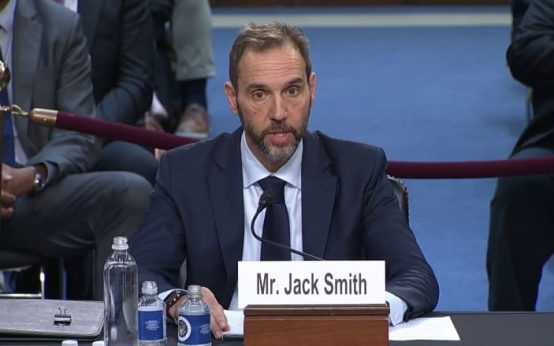 High-Profile Hearing and AI Developments: Key Political Moves
 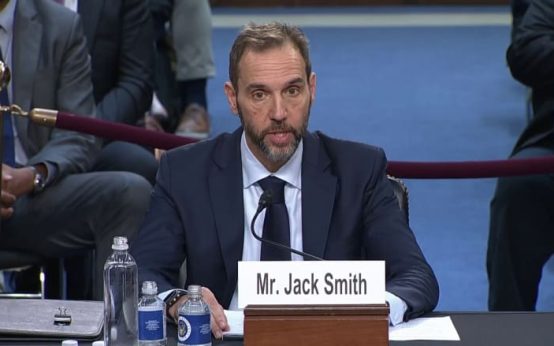 Key Events in Today’s Discussions Involving Jack Smith and President Trump
 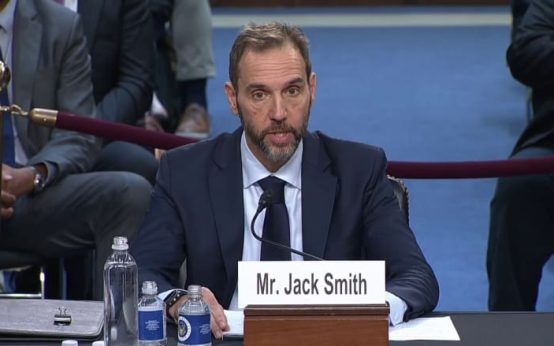 Jack Smith Faces Scrutiny Amid Investigations into Trump