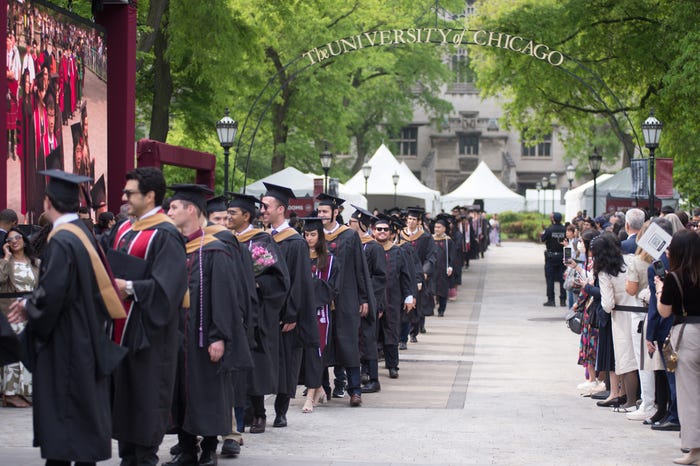
Artificial intelligence is transforming the way hiring happens in academic mathematics. Frank Calegari, a notable mathematics professor at the University of Chicago, argues for a shift towards more personalized selection processes.
Calegari advocates for hiring that values the ability to creatively express mathematical ideas. In an essay shared on Terence Tao’s blog, he highlights the risk that many low-level academic positions could be filled by candidates who rely on AI-generated proofs. To mitigate this, he proposes extended interviews to identify genuine talent and clear vision.
He criticizes reliance on a single paper or publication for hiring, which AI could now easily produce. He emphasizes the need for training graduate students in effective mathematical communication, which is crucial in the evolving landscape.
Steven Strogatz from Cornell echoes the sentiment that charisma is gaining importance as mathematicians are needed to translate AI-generated results into meaningful inquiries.
While some in academia reject AI, many are exploring ways to integrate it into their work. Students demand clarity on how AI should be used, as noted in a recent MIT survey. The academic community seeks stronger leadership to guide this transition.
 Department of Education Investigates Teacher Programs for Discrimination
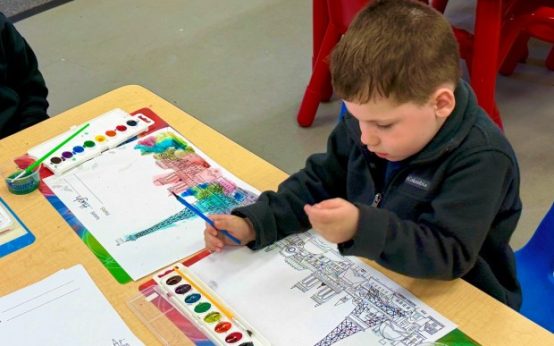 Immersion in French Culture at Ascension Catholic School
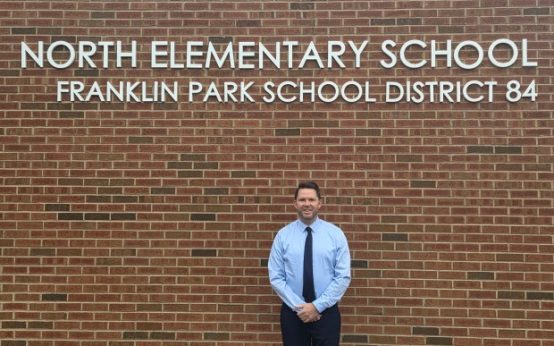 Franklin Park School District Prepares Leadership Transition
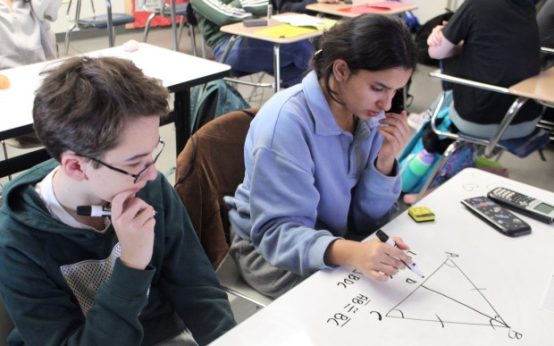 Orland High School District 230 Achieves Exemplary Status
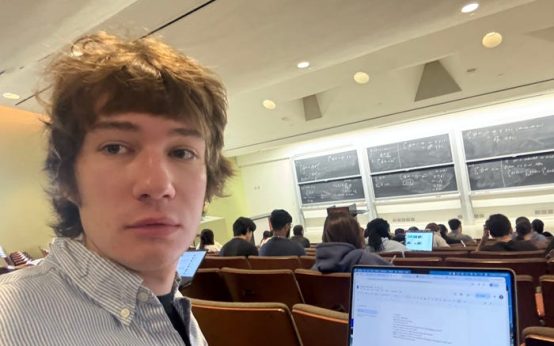 AI’s Impact on Math Education at Caltech
 NPR Student Podcast Challenge Returns for Ninth Year