
Democratic candidate Mary Peltola has surged ahead of Republican incumbent Dan Sullivan in the pivotal Alaska Senate race according to recent polls. While the lead is slim, Democrats see Alaska as a crucial opportunity to regain control of both the House and Senate.
Peltola, who previously served as a Congresswoman, has emerged as a formidable contender. The Republican Party is encountering challenges as former President Donald Trump’s approval ratings decline, alongside unfavorable public opinion concerning the economy and the war with Iran.
Peltola’s Narrow Lead
A Rasmussen Reports poll conducted from October 12 to October 15 found Peltola leading with 44 percent of the vote compared to Sullivan’s 42 percent. This survey, which included 775 likely voters in Alaska, has a margin of error of ±3 percentage points. In a separate InsiderAdvantage poll conducted from October 9 to October 10, Peltola expanded her lead to 48 percent against Sullivan’s 43 percent among 1,200 likely voters in a four-way ballot.
The poll also indicated that Republican candidates Daniel J. Sullivan Jr. and Gerald L. Heikes received 1.7 percent and 2.2 percent of the vote, respectively, while 5.3 percent of voters were undecided. The margin of error for this survey was ±2.83 percentage points.
In a hypothetical second voting round where Sullivan Jr. and Heikes were eliminated, Peltola garnered 50.1 percent of support, while Sullivan secured 48.0 percent.
Consistent Lead Over Weeks
Recent polling suggests Peltola’s lead has been consistent, though the race remains intensely competitive. Public Policy Polling’s survey from October 14 to October 15 showed Peltola at 48 percent and Sullivan at 47 percent. An Alaska Survey Research poll from October 1 to October 3 indicated a 47 to 45 percent lead for Peltola. These polls had margins of error of ±3 percentage points.
A Quantus Insights poll conducted from September 28 to September 30 showed the candidates tied at 47 percent, with outcomes within the survey’s margin of error.
Key Issues: Iran War and Energy
In recent months, Peltola and Sullivan have exchanged pointed attacks, focusing on the Iran conflict, energy production, and fuel costs. In an October 15 debate, Peltola criticized Sullivan for voting in favor of the Iran war, linking it to financial hardships in Alaska. Peltola argued against importing Russian diesel, highlighting the risks of dealing with adversary nations.
Sullivan, supported by Trump, contended that increased energy production in Alaska could alleviate high fuel prices. He criticized Peltola’s congressional record, claiming she opposed utilizing Alaskan energy resources. Sullivan also emphasized the detrimental impact of the Trump administration’s actions on U.S. allies.
Significance in Midterms
The Alaska Senate race holds significant implications for the 2026 midterms. Democrats aim to flip four GOP-held seats to secure a Senate majority and are focusing on states, including Alaska, where Trump won by large margins in 2024.
Peltola’s strategy involves appealing to independent voters and moderate Republicans dissatisfied with Trump-endorsed candidates. Analysts like the Cook Political Report and Sabato’s Crystal Ball regard the race as a toss-up, albeit leaning towards Democrats.
Challenges in Vote Counting
Results in Alaska might not be immediate due to the state’s ranked choice voting system for federal and state elections. Initial results come from first-choice votes, with additional counts if necessary. Ranked choice voting can extend results reporting for up to 15 days post-election as valid absentee ballots continue to arrive.
Given the close polling between Peltola and Sullivan, Alaska may remain one of the election’s unresolved key races well after November 3. Voters and candidates alike face a potentially prolonged period of uncertainty as final results emerge.
 Recent Highlights and Developments in Politics and Society
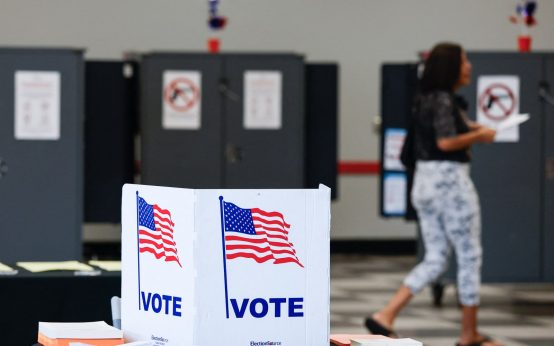 Democrats Leverage Utility Bills in Midterm Campaign Strategy
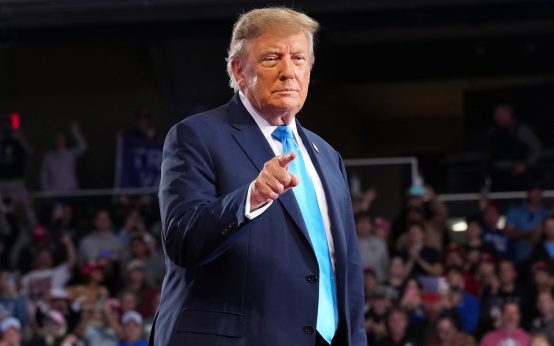 Trump Faces Economic Challenges Amid Cash Payout Promises
 Power Dynamics and Historical Narratives: Understanding Putin’s Worldview
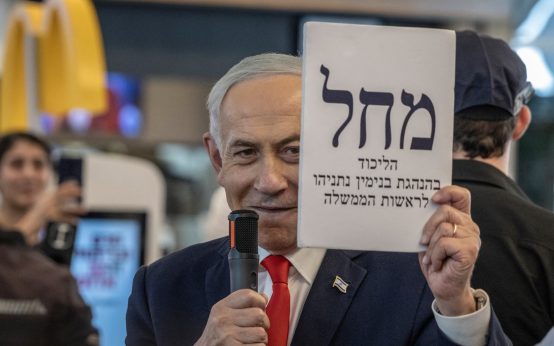 Netanyahu’s Regional Strategy and Its Implications
 Elections 2026 and Political Campaigns: An In-Depth Look