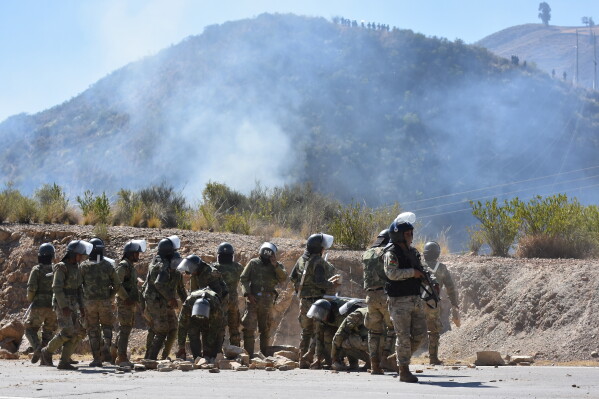
On Thursday, Algerians participated in parliamentary elections amidst concerns about the cost of living and the disqualification of candidates challenging the government. The voters, nearly 25 million in number, were selecting from 1,235 candidates to fill 407 seats in the lower house of Parliament, each with a five-year term.
The government aimed to boost voter turnout, declaring Thursday a paid national holiday. However, many citizens are more concerned with everyday issues like purchasing power and declining public services, in the context of shrinking political, media, and union freedoms.
Local interest is also captivated by Algeria’s national football team. They face Switzerland for a World Cup spot on Friday. The outgoing majority, government-aligned, holds around 300 seats. The Islamist MSP party is the second-largest political force with 64 lawmakers.
Some MSP candidates were among the 269 barred from running, joining former leaders and activists from the pro-democracy Hirak movement. This movement was instrumental in unseating autocratic leader Abdelaziz Bouteflika in 2019. Restrictions have increased under current President Abdelmadjid Tebboune, reelected in 2024. Authorities barred disqualified candidates over alleged ties to illicit financial networks and suspicious political activities.
Security measures were implemented around polling stations in Algiers on the eve of the elections. In southern regions and the Sahara Desert, voting began 48 hours early. This adjustment helped nomadic populations vote, with ballots transported in government off-road vehicles escorted by police.
The Algerian diaspora, including about 854,225 registered voters, voted earlier. High participation and a family-friendly atmosphere characterized the elections, according to state news agency APS. In France, where the largest overseas community resides, voting took place at consulates on Saturday and Sunday.
The government also moved school year-end exams to free up classrooms and teachers, who are usually enlisted to manage polling stations for a daily stipend.
Faced with mostly empty campaign venues, parties and independent candidates engaged in grassroots meetings in streets, markets, and cafes. A widely-shared video shows a party leader’s unsuccessful attempt to convince a young voter to participate.
Still, parties actively campaigned. The presidential majority, led by the FLN party, sought broad engagement to strengthen Algeria domestically amid geopolitical challenges. The opposition Workers’ Party, with Trotskyist leanings, campaigned for pension and salary increases and against mining sector reforms favoring foreign investors.
The head of the Socialist Forces Front urged for the release of political prisoners and greater press freedom, arguing that boycotting the elections would only benefit the government.
The electoral authority based candidate disqualifications on anti-corruption laws. In past years, these laws aimed to prevent parliamentary seats from being bought with funds linked to drug trafficking, corruption, and tax evasion. The affected candidates argue the law was unjustly applied to them, often for political reasons.
Abdelahab Yagoubi, an Islamist legislator representing the Algerian diaspora, criticized the misuse of the law he initially supported. Said Oulhadj, 62, a primary school principal who wanted to run with the independent Thagmats (Fraternity) party, expressed grievances over his exclusion, fearing damage to his reputation.
Electoral authority president Karim Khelfane defended the institution, highlighting that nearly 70% of submitted applications were accepted. Some lawmakers ineligible for a second term had voted for the anti-corruption law.
 Maryland First State to Restrict Electronic Pricing in Grocery Stores
  British Police Arrest Man Suspected of Terror Plot
  Activists Push for Nationwide Ban on Child Marriage in the U.S.
  Democratic Hopes and Historical Warnings in 2026 Senate Race
  Republicans Face Challenges Amidst Cost of Living Concerns
  A Different Kind of Fall for Congress This Year