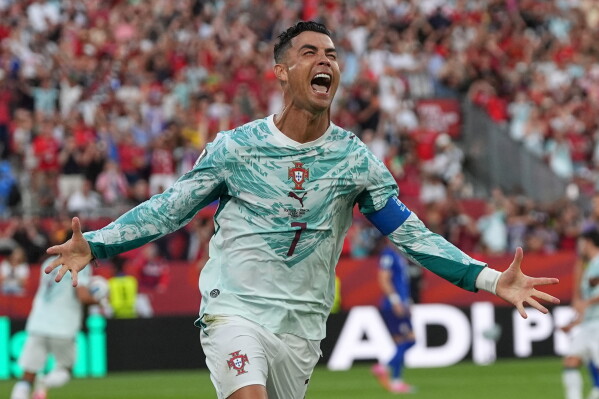
The United States celebrated a 2-0 victory over Bosnia-Herzegovina in the World Cup. However, this win was overshadowed by a controversial second-half red card given to star striker Folarin Balogun. This decision has divided fans and players alike since it means Balogun will miss the next match against Belgium.
Understanding the Red Card
A red card is the most severe form of punishment a referee can issue during a soccer match. It not only removes the player from the game but also leaves the team to continue shorthanded without a replacement. The player is suspended for the next game, and more games if the offense is deemed severe.
The system of red and yellow cards was introduced by former referee Ken Aston, inspired by traffic lights. A yellow card warns a player, while a red card results in ejection.
The Role of the Referee and Video Review
The referee exercises discretion in issuing red cards during the game. A direct red card is often for serious offenses such as dangerous tackles or violent behavior. According to FIFA, lunging at an opponent from any direction with excessive force or endangering their safety constitutes serious foul play.
Balogun’s red card has sparked debate. U.S. coach Mauricio Pochettino argued that the foul wasn’t intentional but simply a hard tackle. Brazilian referee Raphael Claus gave the card after viewing slow-motion replays, on recommendation by Video Assisted Review (VAR) officials. This has raised questions about whether slow-motion replays can exaggerate the perceived intent of an incident.
The Uneven Hand of Justice?
Such controversies are not new. Thierry Henry criticized the decision, questioning the practicality of Balogun’s action. Meanwhile, there is discussion about the fairness towards star players like Lionel Messi, who avoided a card despite a similar challenge against Algeria.
Portugal’s Cristiano Ronaldo also escaped lengthy bans despite serious incidents. The inconsistency raises concerns about biases towards high-profile players.
Historic Red Card Incidents
Red card controversies are part of World Cup history. Examples include David Beckham’s dismissal in 1998 for retaliating against Diego Simeone, Wayne Rooney’s 2006 ejection for a foul on Ricardo Carvalho, and Zinedine Zidane’s infamous headbutt in the 2006 final leading to his exit.
Conversely, some notable incidents didn’t result in red cards. Nigel de Jong’s studs-up kick to Xabi Alonso’s chest in the 2010 final didn’t lead to expulsion, yet remained a major talking point.
 The Quest for the Knuckleball Dream
 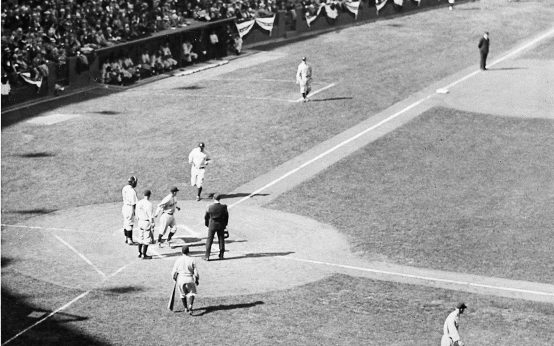 Historical Events in Chicago on October 1st
  Stephen A. Smith Discusses Houston Texans’ Critical Matchup Against Dallas Cowboys
  CC Sabathia Anticipates Yankees’ Game 1 Pitcher for ALDS After Beating Red Sox
 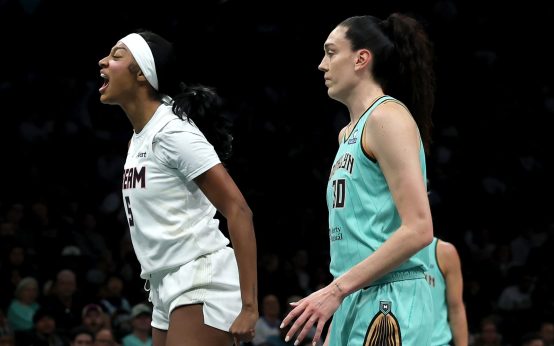 Atlanta Dream Progress to WNBA Semifinals
 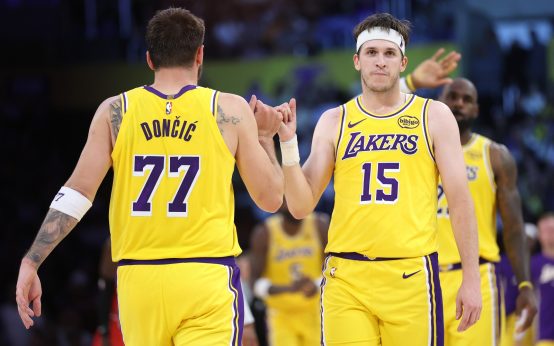 Los Angeles Lakers Focus on Defense in Luka Doncic Era