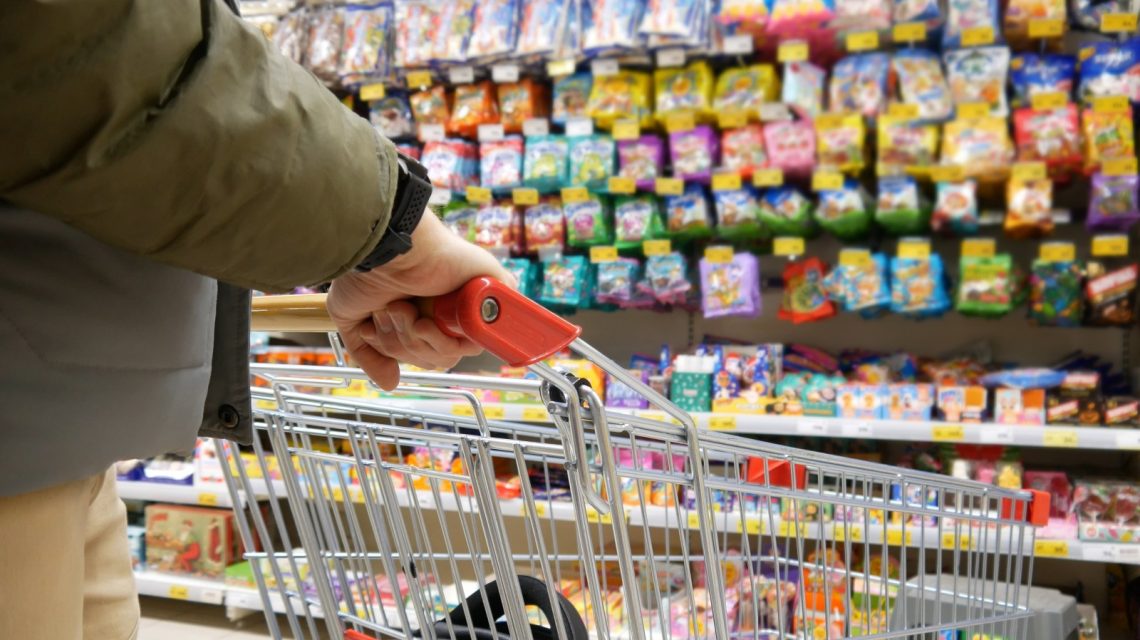
American consumers are becoming increasingly cautious about food recalls. A recent survey conducted by GS1 US, involving 1,000 U.S. adults, shows a notable rise in concerns over food safety. Findings reveal that 94% of respondents are worried about the frequency of food recalls, marking an increase from 93% in 2025. Simultaneously, confidence in the effectiveness of recalls for ensuring public health and safety has decreased from 85% to 80%.
Recent summers have seen numerous high-profile food recalls leading to disease outbreaks. Notably, a salmonella outbreak traced to jalapeño peppers from Mexico affected 431 individuals across 32 states, with 57 hospitalizations, as reported by the FDA. Another significant outbreak related to cyclospora from iceberg lettuce resulted in 11,458 reported illnesses, 495 hospitalizations, and two deaths across 20 states.
According to the survey, food recalls influence consumer behavior beyond the immediate impact on specific products that are pulled from store shelves. A significant 67% of adults indicated they avoided purchasing an entire category of food following a recall, which represents an increase from 60% last year. Additionally, 66% expressed hesitation in buying the same product or brand again, compared with 59% in 2025.
Women report being more likely to adjust their shopping habits, with 71% avoiding entire food categories following a recall, compared to 63% of men. Furthermore, 59% of consumers expressed willingness to pay more for products providing detailed information, up from 57%.
Reasons for Food Recalls
The FDA defines a food recall as the market removal of food violating its regulations. Recalls are often initiated voluntarily by manufacturers or distributors, though the FDA can request, or sometimes mandate, them. While the FDA regulates most foods, the U.S. Department of Agriculture oversees meat, poultry, and processed egg products.
Various reasons trigger food recalls. Dangerous bacteria, labeling errors, and foreign materials entering food are common causes. Data analysis by Trace One, considering FDA recall data from 2021 to 2025, identified allergen contamination as the leading cause, representing 45.2% of recalls. This often involves products containing allergens like milk, wheat, or nuts without appropriate labeling. Bacterial contamination accounted for 22.6% of recalls, involving pathogens such as Salmonella, E. coli, and Listeria. Foreign objects accounted for 10.8%, including materials like plastic, metal, or rocks that pose a risk if consumed. Lead contamination was a minor factor, accounting for 0.1% of recalls.
The analysis, using both FDA and USDA data, noted a rise in total food recalls from 505 in 2021 to 613 in 2025, a 21.4% increase. Class I recalls, indicating products with significant health risks, surged by 36.4% in the same period.
Consumer Reactions to Food Recalls
Despite growing concerns, the GS1 US survey indicates that most consumers do not permanently abandon brands after recalls. Only 9% stated they would never repurchase a recalled brand. Among those willing to return, 39% considered the recall’s length of time as a deciding factor, 39% examined the contamination’s severity, and 35% referenced recommendations from authorities.
Bob Carpenter, President and CEO of GS1 US, explained that recalls are integral to consumer protection systems. He suggested that enhanced tracing methods could enable quicker identification of affected products, offering consumers clearer information about safe options.
 Trump Administration Distributes ACA Refund Checks
  Higher Consumption of Ultra-Processed Foods Linked to Increased Health Risks
  Understanding Inflammation: Myths and Facts
  Calm Parenting: Strategies to Manage Stress
  Trump’s Executive Order to Combat Mosquitoes and Ticks in D.C.
  Overcoming Weight Loss Challenges: Brain Health and GLP-1 Medications