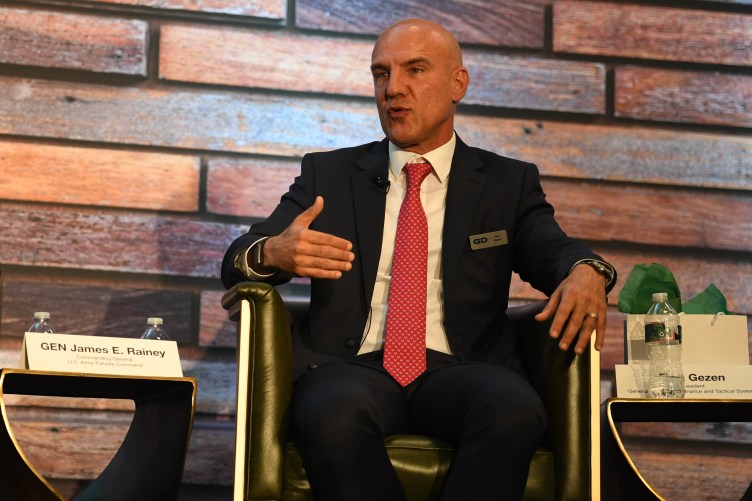
Rushed Contracts and Fire Hazards
The Army engaged General Dynamics to produce artillery shells rapidly, bypassing standard contracting procedures. This decision proved costly. General Dynamics subcontracted a Turkish firm, Repkon, without thorough vetting. The factory near Dallas, designed to manufacture critical shells for Ukraine, faced frequent robotic fires and numerous mechanical issues.
“After the second, third, fourth time, it just became almost normal,” a former worker stated about the regularity of malfunctions.
Operational Failures and Financial Oversight
The facility struggled with operational issues. Robot arms malfunctioned, equipment shattered unintentionally, and traditional techniques damaged shells instead of creating them. By August 2025, the Army halted two production lines. No usable shells emerged despite $533 million spent.
Critics argue for greater accountability. Despite the project’s failures, contracts worth $2.5 billion continued for General Dynamics.
Management and Safety Concerns
Factory conditions were stark. Temperatures often exceeded 100 degrees, with smoke impairing air quality. Safety reports and worker complaints to OSHA revealed significant hazards, though no penalties were issued.
Management’s focus remained on production, despite evident systemic failures. Machines required constant improvised repairs.
Repkon Equipment and Due Diligence
General Dynamics chose Repkon’s machinery for its innovative technique, despite minimal evidence of its effectiveness on new 155 mm shells. Army oversight in vetting these machines was insufficient, exacerbated by relaxed oversight from Congress.
The pressure to expedite led to awards without complete understanding of the machinery’s capabilities.
Public Perception vs. Reality
Public statements painted a different picture. Reports claimed production and efficiency improvements that contradicted internal experiences. General Dynamics maintained optimistic communications, downplaying systemic issues.
Future Prospects and Accountability
Looking forward, General Dynamics proposed utilizing AI to streamline production, despite prior failures. New investments were announced, including collaborations with the company Deterrence, although practical applications remain unclear.
No significant punitive actions occurred against General Dynamics, continuing their receipt of substantial defense contracts. Policy critics view this as symptomatic of deeper systemic issues within defense spending protocols.
As geopolitical priorities shift, artillery production stalls while focus turns to other military needs, leaving industry practices and accountability in question.
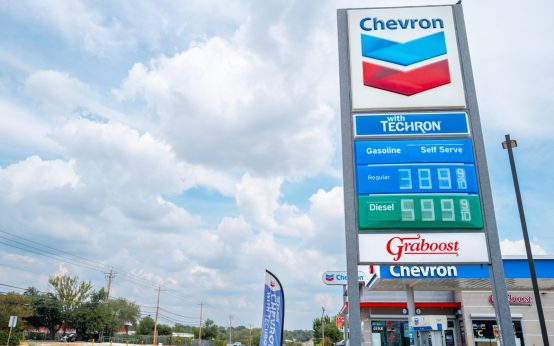 U.S. States Extend Gas Tax Waivers Amid Rising Fuel Costs Due to Iran Conflict
  USCIS Raises Immigration Fees
  The Surveillance Threat to U.S. Federal Agents
  Trump Administration Distributes ACA Refund Checks
  Trump Administration’s Approach to Illegal Alien Deportations
  New Jersey Voter Fraud Prompts Renewed Push for SAVE Act