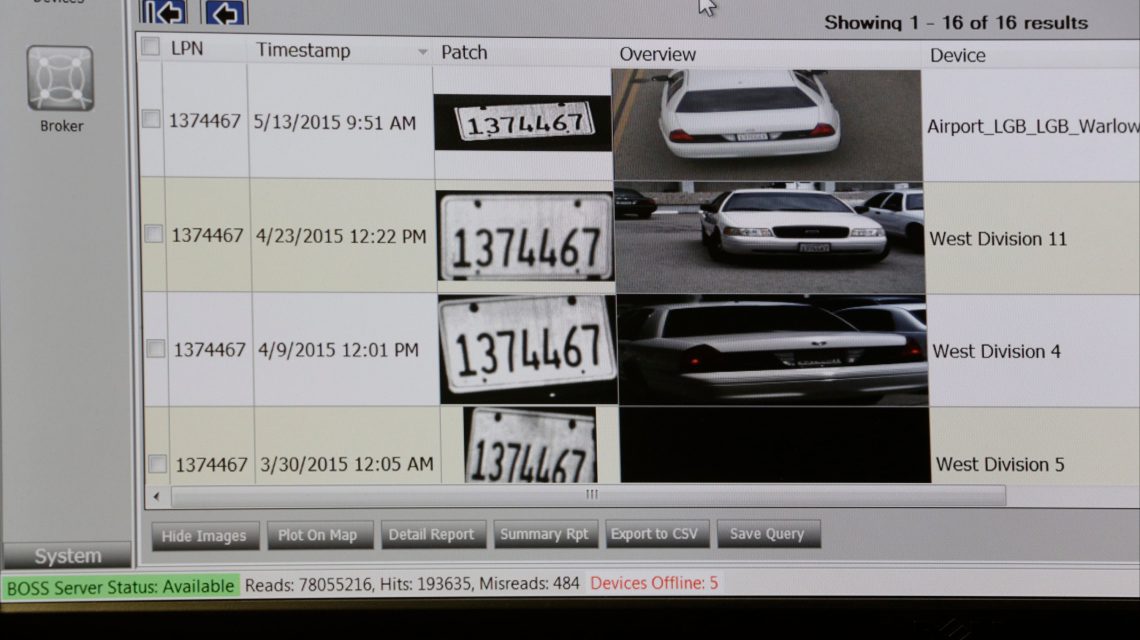
Flock cameras and other automated license plate readers (ALPRs) have faced criticism across the United States. These devices, including those from companies like Genetec and Motorola Solutions, are designed to capture detailed information about vehicles. Important data includes a vehicle’s license plate number, make, model, and color.
Flock’s cameras are capable of capturing vehicles traveling up to 100 miles per hour, even at night, and up to 75 feet away. The cameras can categorize vehicles as resident or non-resident, identify temporary plates, and note any damage or alterations. Though Flock cannot measure speed, Genetec’s system can estimate vehicle speed. Motorola Solutions highlights its ability to identify unique vehicle features, such as bumper stickers and damage.
Flock cameras capture images of only vehicles that pass in front of them and are not capable of tracking all vehicles within an area. To find out which cameras are near you, DeFlock provides a crowd-sourced map of ALPR locations, compiled from volunteers and the OpenStreetMap community. Nexstar has not verified these locations.
ALPRs have been operational for over two decades according to the U.S. Department of Homeland Security. They can be found on poles, streetlights, and overpasses, as well as in mobile formats. These systems scan license plates and compare them against databases to alert law enforcement of any vehicles of interest. Law enforcement can also search captured data and share information with other agencies.
However, some communities have chosen to discontinue using these devices due to privacy and misuse concerns. Areas in North Carolina, Indiana, Colorado, and Wisconsin have stopped using ALPRs. Florida’s Department of Transportation is removing cameras from highways, and Texas has withdrawn state funding for these systems.
Despite these criticisms, some support remains. Former President Trump expressed favor for ALPRs, citing their usefulness to law enforcement. He acknowledged the privacy concerns but emphasized their positive aspects during a conversation on Air Force One.
 Trump Unveils AI-Powered America.gov Platform
  Trump’s 2024 Campaign Targets Young Men Through Cryptocurrency
  How Modern Windows Improve Home Insulation
  State Department Simplifies Passport Process with Online Applications
  Senate Democrats Block Data Center Bill Over Efficiency Concerns
  Future Cities: Ambitious Projects Aiming for Innovation and Sustainability