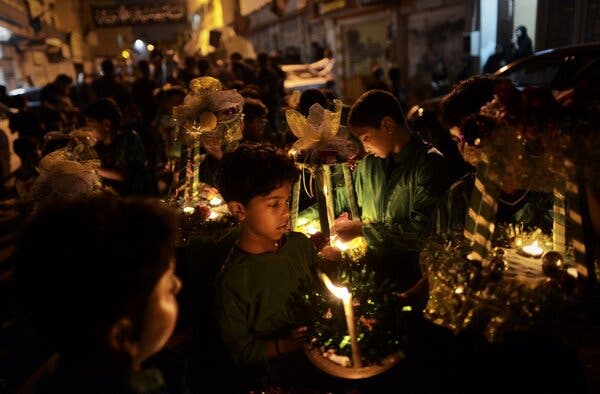
The Bahraini government has implemented strict regulations for commemorating a significant Shiite religious day. These actions are part of a series of measures targeting Shiite Muslim citizens due to ongoing sectarian tensions involving Iran.
Bahrain is governed by a Sunni Muslim monarchy, yet the majority of its citizens belong to the Twelver Shiite branch of Islam. This branch is also the state religion of Iran.
The religious festival, Ashura, is an important event for Shiites worldwide. Observed on the 10th of Muharram, the first month of the Islamic calendar, it honors the death of Imam Hussein, a grandson of the Prophet Muhammad. The event typically involves large processions, reenactments, and sermons, lasting 10 days.
This year, Bahraini authorities have decided to cut the observance period in half. Processions are required to end by midnight, except in the capital, Manama, where they can continue until 2 a.m. Traditionally, these processions would last through the night until dawn.
Additionally, the government has prohibited travel to Iran and Iraq, impacting the many Bahrainis who annually visit Karbala in Iraq for religious pilgrimages. Although the travel ban did not explicitly mention Ashura, it affects Bahraini pilgrims significantly.
Bahrain, an ally of the United States and host to the U.S. Navy’s Fifth Fleet headquarters, has faced numerous Iranian drone and missile attacks due to the war. The government accuses Iran of inciting unrest among the Shiite population, and it has a history of suppressing dissent. In 2011, Bahraini authorities forcefully ended a pro-democracy movement.
 British Police Arrest Man Suspected of Terror Plot
  Activists Push for Nationwide Ban on Child Marriage in the U.S.
  Investigation into Alleged Incident at Cornell University
  Rising Drone Threats Highlight Vulnerabilities in Moldova’s Airspace Defense
  Bolivia Faces Security Test Amid Unrest
 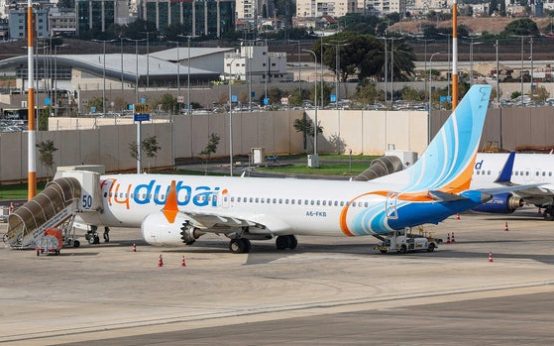 Incident on FlyDubai Flight Raises Security Concerns