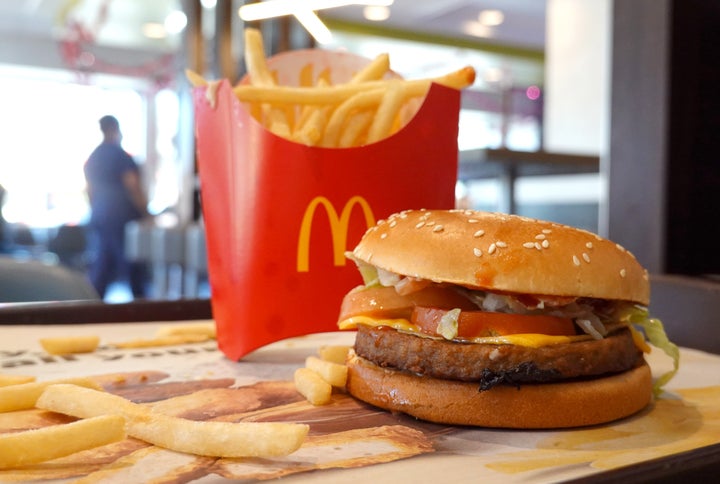
Actor Jessica Biel expressed her preference for high-quality food for her children, noting they do not eat McDonald’s. This comment highlights a common concern among parents: Is McDonald’s a suitable meal option for kids?
Many parents worry that providing fast food might imply poor parenting or negatively impact children’s health. Nutritionists, however, suggest that the issue is not straightforward. There is a place for McDonald’s in a balanced diet. Several nutritionists have shared their views on incorporating McDonald’s into children’s meals.
Balancing Home-Cooked Meals
Rachel Trotta, a fitness nutrition specialist, emphasizes shaping healthy attitudes rather than enforcing strict rules. She focuses on home-cooked meals but doesn’t entirely exclude McDonald’s. Occasional fast food helps maintain perspective without overemphasizing it. Her approach fosters a healthy relationship with food by encouraging her daughter to eat when hungry and stop when full.
Approach Without Moral Judgment
Julia Cassidy, a dietitian, believes in treating food neutrally. Labeling foods as ‘bad’ can lead to feelings of shame. She regards McDonald’s as a typical meal, sometimes chosen for convenience or enjoyment. Her balanced approach helps maintain food flexibility and reduces guilt.
Occasional Special Treat
Megan Wroe, a dietitian, doesn’t see any food as completely off-limits, though she prioritizes homemade meals. Fast food is reserved for special occasions or hectic days, ensuring it doesn’t become a regular habit.
Social Situations and Education
Aliza Marogy, a nutritionist, seldom chooses McDonald’s but makes exceptions for social events. She focuses on educating her child about nutrient-dense foods rather than creating restrictions. This approach aids in understanding how foods support growth.
Social eating experiences benefit children’s development, hence food anxiety shouldn’t overshadow these moments.
Integrating McDonald’s in Moderation
Heidi McIndoo allows her children to eat McDonald’s occasionally, emphasizing that banning foods entirely makes them more appealing. She discusses nutritional balance, ensuring diverse intake throughout the day.
Flexibility and Convenience
Sarah Schlichter views McDonald’s as a convenient option when needed. It provides flexibility in busy schedules without categorizing it as ‘healthy’ or ‘unhealthy’. Parents have choices to add nutrients to McDonald’s meals.
Inclusivity in Diet
Nikki Fata champions an inclusive dietary approach, asserting all foods can fit into a healthy lifestyle. McDonald’s offers accessibility and affordability. It’s an opportunity for balanced nutrition, providing vital nutrients despite common perceptions.
Factors Affecting Food Choices
Kristi Ruth permits McDonald’s only when her kids go independently. She avoids it due to personal taste preferences. Yvette Hill allows McDonald’s occasionally, recognizing that a few experiences differ from a diet dominated by fast food.
Overall, nutritionists agree McDonald’s can be part of a healthy relationship with food when handled appropriately and without guilt. Each family’s choices should be respected, and individual dietary needs valued.
 The Future of MAHA in American Health Politics
 Insulin Cost Caps Gaining Support Amid Rising Prices
 Efforts to Counter Food Assistance Cutbacks in San Diego
 A Personal Journey Through Encephalitis
 Low-Cost Medication May Benefit Stroke Survivors
 The Complex Debate Over Kratom Use in the U.S.