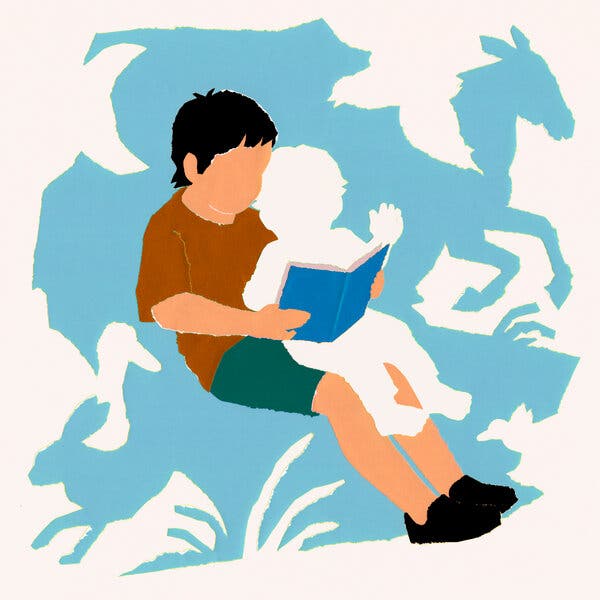
What We Lose When We Don’t Have Siblings
In today’s society, words like ‘orphaned’ and ‘widowed’ are widely recognized to describe children without parents or individuals who’ve lost a spouse. However, no commonplace term in English exists for growing up without siblings—though this is changing.
The last 50 years have seen a significant shift in family dynamics in America. The proportion of mothers with only one child has nearly doubled, rising from 11% in 1976 to around 20% today. Large families have decreased in prevalence; in 1976, 40% of mothers nearing the end of childbearing had four or more children, contrasting sharply with just 14% by 2014. Furthermore, the total U.S. fertility rate reached a record low of 1.6 births per woman in 2024, well below the replacement rate of 2.1.
Across the European Union, households with one child are more common than those with two or three children, suggesting a similar trend may soon dominate American families as well.
As an economist trained during a time when smaller families were seen positively, the logic was simple: fewer children allowed more resources for each child, focusing on quality rather than quantity. This notion was naturally adopted by modern parents, who aim to provide everything for their child.
However, after interviewing numerous parents of larger families, a different perspective unfolds. Certain crucial aspects of a child’s development can’t be provided solely by parents, no matter their attentiveness or resources—they come from siblings.
In 2019, extensive interviews conducted for the book “Hannah’s Children” revealed insights from mothers of five or more children on what motivates some women to choose large families despite societal trends favoring fewer children. Despite their diverse backgrounds—ranging from devout Christians and observant Jews to Latter-day Saints—there was a strong consensus: Raising multiple children often fosters better character development, with many finding it easier to nurture five children compared to one.
 Freddy’s American Adventure: From Soccer to College Football
  The Quest for the Knuckleball Dream
  Navigating Grief After a Sibling’s Overdose
  Tragedy and Immigration: The Impact on a Family
  The Journey of a Fox News Correspondent: From Infectious Diseases to On-Air Reporting and Beyond
 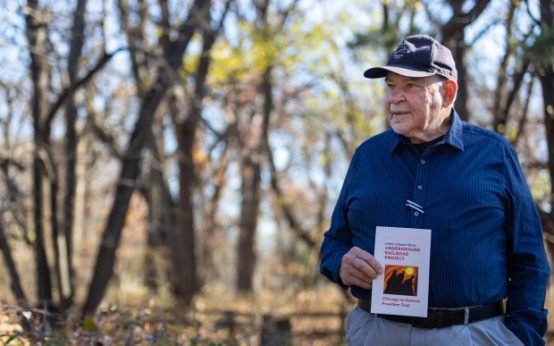 Midwest Underground Railroad Network Gains National Recognition