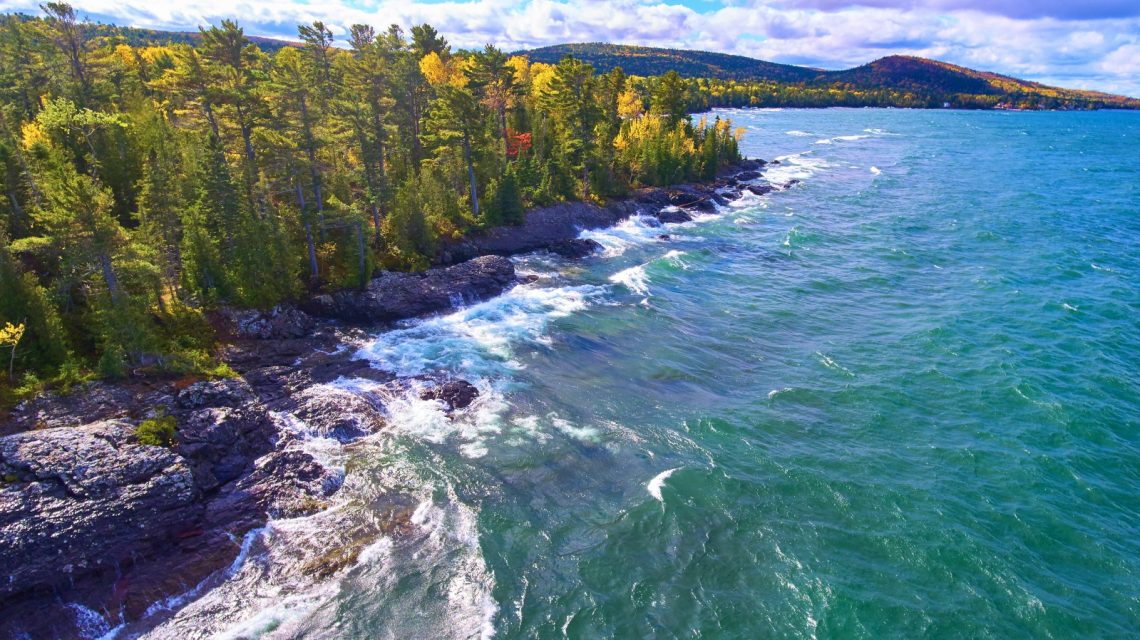
The National Weather Service (NWS) has issued beach hazard statements for the Great Lakes, impacting millions hoping to enjoy the shoulder season before fall. This comes a few weeks after similar alerts were issued. At that time, the warnings affected about 1 million people, and now over 8 million are impacted by dangerous currents and large waves. Residents near lakes such as Michigan, Superior, Huron, Erie, and Ontario are advised to stay out of the water.
Current Warnings
As of 10:30 a.m. Eastern time, beach hazard warnings are in effect for Wisconsin, Minnesota, Michigan, Illinois, Indiana, Ohio, Pennsylvania, and New York. The affected areas include Duluth, Minnesota; northwestern Wisconsin; Michigan’s Upper Peninsula; Wisconsin’s Lake Michigan shoreline; northeastern Illinois; northwestern Indiana; northeastern Michigan; northern Ohio; northwestern Pennsylvania; and New York’s Lake Ontario shoreline. Many warnings will last through Wednesday, with some expiring earlier.
The NWS offices advise people to stay out of the water, citing life-threatening waves and rip currents. Wind and wave action contribute to dangerous conditions, as swimmers could be pulled away from shore.
Simultaneous Statements and Seasonal Conditions
NWS meteorologist Bryan Jackson explains that widespread beach hazards are unusual in summer, occurring more frequently as cooler air moves in. During the transition into fall, Canadian high-pressure systems can trigger dangerous waves and currents. Strong winds and lake effect snow are common winter events caused by cold fronts.
Current hazards are due to prolonged winds from the high-pressure system, which are stronger now than during summer months. This seasonal change means more visits to beaches, raising risks.
Drownings in Great Lakes
The Great Lakes, akin to ocean beaches, face dangers like rip currents. There have been 73 drownings this year, with 41 in Lake Michigan. The warnings are crucial, particularly as lifeguards no longer staff beaches after Labor Day.
Understanding Rip Currents
Rip currents are fast-moving channels perpendicular to the shore. If caught in one, do not panic. They do not pull swimmers under but can carry them away from shore. To escape, swim parallel to the shoreline and then angle back once free. If tired, float and signal for help.
Anticipating Future Conditions
Some beach hazard statements will end on Monday afternoon, while others last longer. Those near affected shorelines should heed local advice and be cautious.
The Mid-Atlantic region may also face beach safety concerns due to a strengthening low-pressure system off the coast, leading to high tides and erosion risks.
 Atlantic Ends September Without a Hurricane for First Time Since 1994
  Bobcat Sightings and Conservation Efforts in Illinois
  2026 El Niño: A Historical Comparison and Future Projections
  U.S. Records Warmest September in History
  Increased Funding Needed for Psychiatric Hospitals
  Higher Consumption of Ultra-Processed Foods Linked to Increased Health Risks