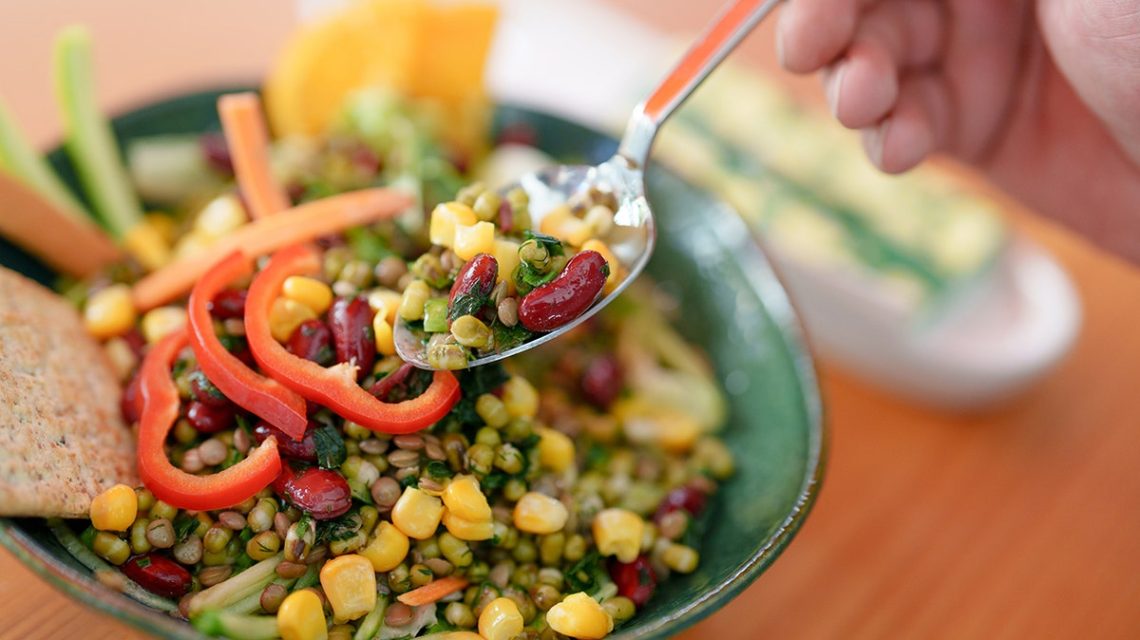
Beans and legumes are affordable, protein-rich, and packed with health benefits. Experts suggest they should have a more significant presence in your diet. Nutrition and wellness expert Samantha Cassetty emphasizes that fewer than 14% of American adults consume beans daily, which is concerning. These foods are nutrient-dense, providing protein, fiber, and slow-burning carbs for steady energy. They are also rich in folate, magnesium, and iron.
Registered dietitian Deborah Murphy highlights that beans are cholesterol-free and free from saturated fats. Regular consumption of beans has been associated with a lower risk of chronic diseases, including heart disease, type 2 diabetes, and obesity. These factors may contribute to longer life expectancy.
Beans are one of the most economical protein sources available. Samantha Cassetty mentions that canned beans are budget-friendly and easy to prepare. To serve, simply open a can, rinse, and drain.
Top Beans and Legumes for Health
1. Black Beans
Black beans are valued for their protein, fiber, and antioxidants. A half-cup serving contains about 8 grams of protein and fiber. Cassetty recommends a salad with black beans, corn, diced bell pepper, avocado, cherry tomatoes, and salsa. This can be a light meal, hearty side, or wrap filling.
2. Chickpeas
Chickpeas, a versatile legume, can be used in both sweet and savory dishes. Try air-frying them for a crunchy snack or adding them to salads. Regular consumption of chickpeas and hummus leads to higher intakes of fiber, folate, potassium, and iron, and improved diet quality.
3. Lentils
Lentils have a ground-meat texture and provide plant-based iron. Mixing them with walnuts can add extra fiber, protein, and omega-3s. This combination supports heart, brain, and gut health. Use it in spaghetti sauce, tacos, or wraps.
4. Edamame
Edamame, immature soybeans, are usually boiled or steamed and seasoned with salt. A half-cup serving offers about 9 grams of protein and 4 grams of fiber. Combine with cucumber, brown rice, rice vinegar, tamari, and sesame oil for a quick meal.
5. White Beans
White beans provide 9 grams of protein per half-cup. They can be added to tuna or egg salads. Blending them into smoothies adds creaminess, protein, and fiber without affecting sweetness.
6. Pinto Beans
Cassetty notes that pinto beans might be especially effective in managing cholesterol. In studies, they managed to reduce LDL and total cholesterol by over 8%, outperforming oatmeal. Pinto beans may also help reduce inflammation linked to a high-fat diet.
7. Kidney Beans
Animal research suggests kidney beans can beneficially alter gut bacteria and reduce inflammation from high-fat diets. Use them in chili, nachos, or a three-bean salad with toasted walnuts for added nutritional value.
8. Black-eyed Peas
Black-eyed peas are rich in protein, fiber, and iron. They add value to dishes like cowboy caviar, a bean salad with vegetables, herbs, and vinaigrette served with tortilla chips.
 Effective Skincare Routine for Men with Particle Moisturizer
  Rising Trend: Solo Travel Gains Popularity
  Increased Funding Needed for Psychiatric Hospitals
  Prepare for Rainy Fall Weather with Discounted Rain Jackets
  Trump Administration Distributes ACA Refund Checks
  Higher Consumption of Ultra-Processed Foods Linked to Increased Health Risks