Americans looking to escape the cold and spend winter in warmer southern states may face unique challenges this year. Forecasters are highlighting that a strengthening El Niño pattern could transform the southern United States into a ‘storm highway’ this winter. This change increases the risk of extreme rainfall and severe thunderstorms.
Snowbirding Season
The seasonal movement known as ‘snowbirding’ usually begins in October or November, extending through March or April. Florida remains the most popular destination, with Arizona, Texas, South Carolina, and other parts of the Southeast and Southwest attracting large seasonal populations. While retirees traditionally make up the majority of snowbirds, the rise of remote work has allowed some pre-retirees and working-age individuals to spend part of the winter in these warmer climates.
Increased Weather Risks
This winter, travelers might escape the cold northern states, but increased extreme weather threats loom. Meteorologist Ben Noll noted, ‘A storm highway is possible from the West to the South and East Coast next winter as El Niño strengthens the subtropical jet stream.’ This could lead to higher chances of extreme rainfall and severe storms, potentially making it an unfavorable winter to travel south.
El Niño’s Arrival and Strengthening
Concerns arise from the rapid development of El Niño conditions in the tropical Pacific Ocean. The National Oceanic and Atmospheric Administration (NOAA) formally announced the onset of El Niño in June, projecting its intensification through autumn and peaking in winter. They estimated a 63 percent chance of a particularly strong event. Experts suggest the upcoming El Niño could be one of the strongest observed since modern records began, with some describing it as ‘super’ El Niño.
Potential Weather Changes
A potent El Niño winter increases the likelihood of a notable effect on U.S. weather. During such events, the Pacific jet stream shifts south and becomes more active over the southern United States. These shifts often lead to storm systems crossing California, the Southwest, the Gulf Coast, and parts of the Southeast, resulting in wetter-than-usual conditions, while many northern states experience warmer weather.
Threat 1: Extreme Rainfall
The initial concern for winter travelers is an escalated risk of excessive rainfall. A ‘storm highway’ refers to an atmospheric setup that continually directs storms along a similar path. Under strong El Niño conditions, this path often extends from California through the southern Plains to the Gulf and Atlantic coasts. Travelers spending winter in Florida, Texas, Louisiana, Mississippi, Alabama, or the Carolinas face increased risks of prolonged rain, flooding, flash flooding, and transportation disruptions. Repeated storms can saturate soils, overwhelm drainage systems, and flood roadways. Coastal areas may also face heightened flooding risks when heavy rain coincides with high tides.
This threat extends westward. Southern California generally experiences wetter winters during El Niño years. Additional precipitation can replenish reservoirs and alleviate drought conditions. However, powerful atmospheric river events could also cause flooding, landslides, and debris flows, especially in areas affected by recent wildfires.
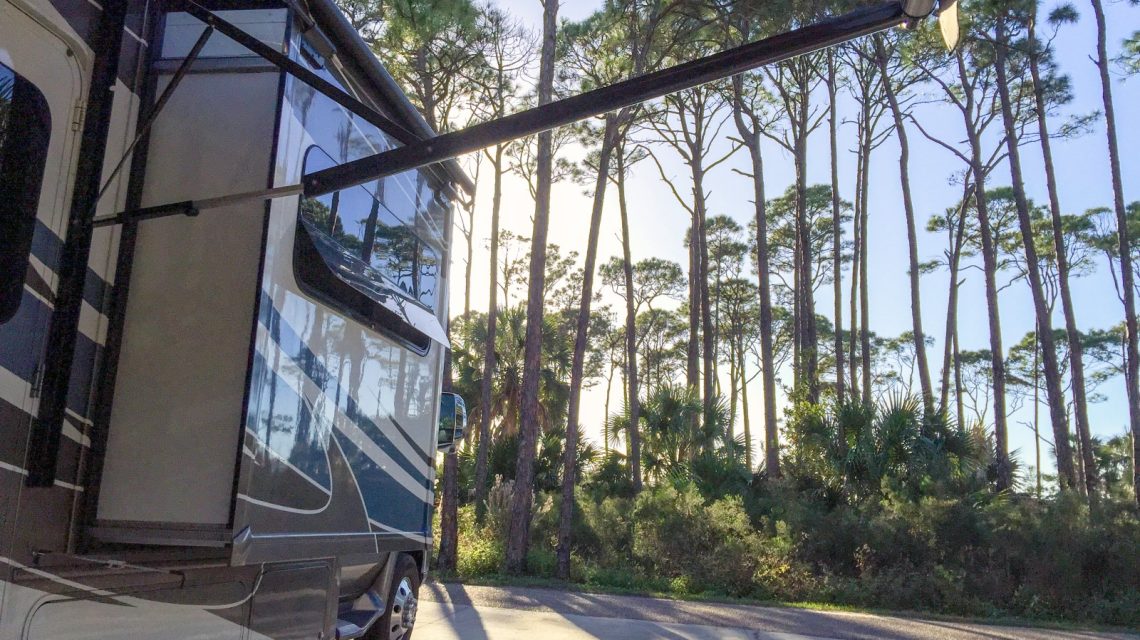
Seasonal residents in RV parks, retirement communities, or coastal rentals may see disruptions to travel plans and outdoor activities. Local tourism industries that usually thrive during winter could also be affected.
Threat 2: Severe Storms
The second concern, potentially more dangerous, is the increased possibility of severe weather. A stronger subtropical jet stream delivers both moisture and the atmospheric elements needed for thunderstorms. The combination of Gulf moisture and strong upper-level winds can create favorable conditions for severe storms capable of producing damaging winds, hail, and tornadoes.
Historical research indicates that El Niño winters can raise the likelihood of severe-weather outbreaks across parts of the Gulf Coast and Southeast. A robust subtropical jet stream provides the wind shear essential for severe thunderstorms, increasing risks of damaging winds, large hail, and tornadoes. States such as Texas, Louisiana, Mississippi, Alabama, Florida, and Georgia may face elevated severe-weather risk during the cool season. For retirees and visitors unfamiliar with local weather hazards, such conditions can present challenges. Regions marketed as safe winter escapes may encounter volatile weather typically associated with spring.
Florida alone gains an estimated hundreds of thousands of seasonal residents each winter, while Arizona draws many from the Midwest and Canada. Popular locations include Naples, Sarasota, Fort Myers, The Villages, and Palm Beach in Florida, in addition to Phoenix and Tucson in Arizona. Texas Gulf Coast and South Carolina’s coastal regions also see significant seasonal populations.
Many choose these areas for their typically mild and predictable winter weather. A stronger El Niño could change that expectation by increasing storm frequency during the months when seasonal populations peak. Forecasters warn not every storm will be severe and that specific local impacts remain unpredictable months in advance. Despite this, climate signals suggest the atmosphere may favor stormier-than-average conditions across much of the southern United States. This suggests the usual winter escape may come with a caveat: warmer weather but likely much wetter and stormier conditions.
 Swiss Glaciers Show Effects of Ice Loss Amid Global Warming
  Climate-Resistant Rock Glaciers: Hidden Water Resources
  Senators Reach Bipartisan Agreement on Permitting Reform
  Experts Warn of Critical Period for the Colorado River
  Future Cities: Ambitious Projects Aiming for Innovation and Sustainability
  Supreme Court Case Suncor vs. Boulder: Implications for Accountability in Climate Change