Vermont Senator Bernie Sanders experienced disappointment in his bids for the Democratic presidential nomination in 2016 and 2020. The party’s establishment rallied around more moderate nominees, leading Sanders back to his home in Burlington. However, his critique of the Democratic Party’s ties with corporate donors and cautious stance on health care issues has gained traction. This viewpoint has shifted from a fringe stance to near consensus within the party.
Current polling shows a significant acceptance of socialism among Democratic voters, a label once controversial. Notably, Medicare for All and increasing taxes on the wealthy have emerged as popular ideas. Sanders remains a favored figure, boasting the highest approval among sitting senators in a state governed by a Republican.
Growing Acceptance of Sanders’ Policies
Despite initial skepticism from Democratic strategists during the 2020 primary, the ideological wing inspired by Sanders seems to be energizing the party. An I&I/TIPP poll conducted in May showed 46% of Democrats view socialism favorably, and a survey from The Economist/YouGov in June indicated 58% favorable views on socialism among Democrats overall, with 62% willing to support a candidate identifying as a Democratic Socialist. Gallup’s findings highlight the shift, showing 66% of Democrats favor socialism, a stark contrast to 42% support for capitalism.
Support for healthcare overhaul is equally notable. A Data for Progress survey highlighted that 65% of likely voters—including 78% of Democrats and 71% of independents—back a Medicare for All-style program. Another survey focusing on swing voters found raising taxes on the wealthy and establishing a Medicare for All system were influential factors for undecided voters.
Tax policies once deemed controversial now hold widespread support. A Navigator Research survey showed that 79% of Americans, including 63% of Republicans, favor increasing taxes on the rich. Research from the Excessive Wealth Disorder Institute revealed two-thirds of Americans support a billionaire income tax.
Rise of Socialist and Progressive Candidates
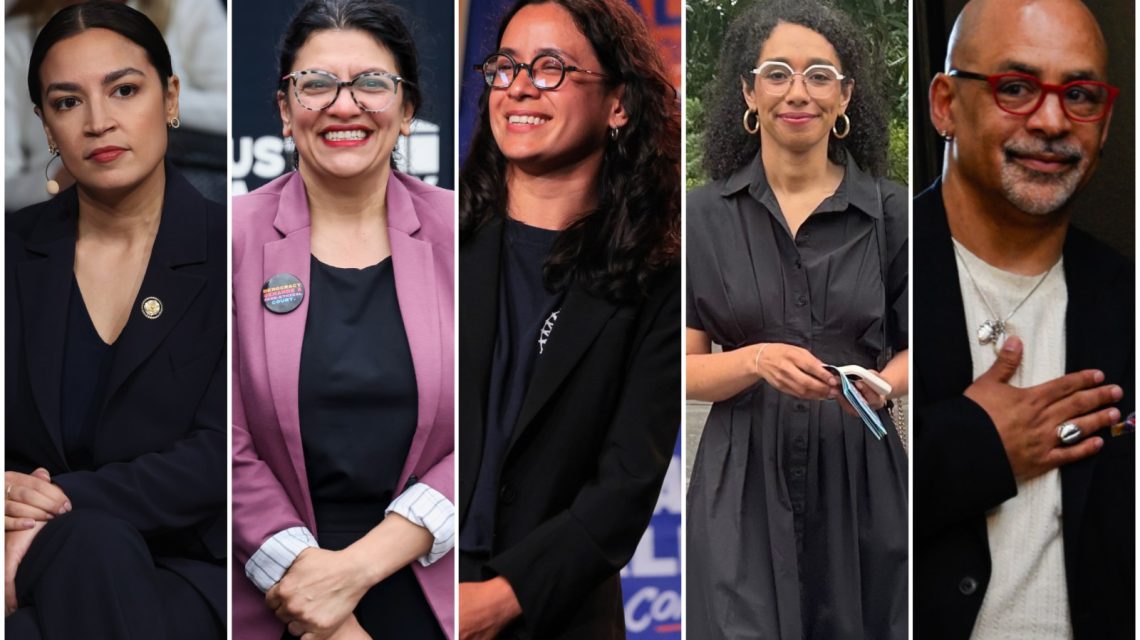
The influence of Sanders’ coalition is evident in the political landscape. New York Mayor Zohran Mamdani, a democratic socialist, represents the movement prominently. In Michigan, Abdul El-Sayed is vying for the Democratic Senate nomination against Representative Haley Stevens, symbolizing a tug-of-war over the party’s trajectory. In New York, candidates endorsed by the Democratic Socialists of America have unseated established figures, such as Darializa Avila Chevalier overcoming longtime Representative Adriano Espaillat.
In Minnesota, a primary contest between Lieutenant Governor Peggy Flanagan and Representative Angie Craig reflects the ideological split within the party between progressive and centrist factions. The Democratic Socialists of America have been active, participating in over 130 races with numerous candidates on ballots.
Joseph Geevarghese, executive director of Our Revolution, explained that the appeal of these candidates arises from dissatisfaction with corporate influence over government, rather than pure ideology. He mentioned that voters are disillusioned by governmental biases toward corporate interests.
Impact on Upcoming Elections
With a historically low favorability at 28%, Democrats face challenges ahead. The midterms may hinge on turnout as opposed to altering opinions, according to Jim Kessler from the Third Way think tank. He warned that Republican strategy could involve framing Democrats as extremists, citing the collapsed campaign of Graham Platner as an example.
Kessler pointed out Sanders’ unique scenario. His high approval rating in Vermont contrasts starkly with the broader political landscape. Whether Sanders’ success is a model for national replication remains debated as the party examines strategies for the elections.
Electoral Viability of Sanders’ Coalition
While Sanders’ ideas have gained mainstream acceptance, questions persist regarding their effectiveness in competitive districts. Contrary views suggest the Democratic Socialists’ influence might be geographically limited, affecting only very supportive areas. Kessler highlighted the risky nature of positions held by Democratic Socialists, noting their unpopular stances such as defunding the police or abolishing federal prisons. He expressed skepticism regarding their potential success in presidential races, predicting Republican victories if Democrats lean toward extreme positions.
 Trump’s 2024 Reelection and Evolving Voter Dynamics
  Defense Secretary Emerges as Key Player in the Trump Administration
  Hegseth’s Vision for the Military: Balancing Tradition and Innovation
 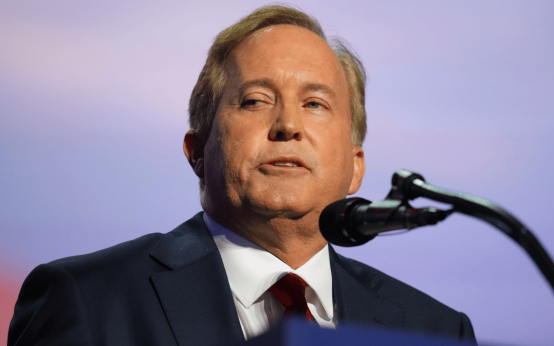 Significant Funding Boosts Ken Paxton’s Texas Senate Campaign Amid Tight Race
 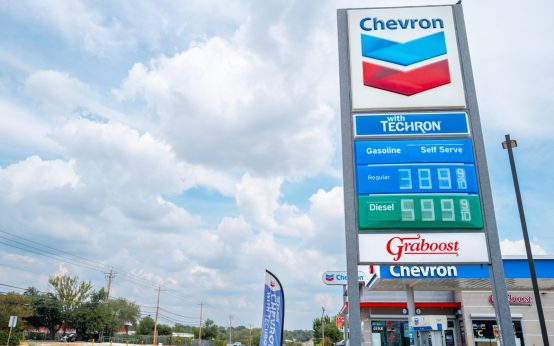 U.S. States Extend Gas Tax Waivers Amid Rising Fuel Costs Due to Iran Conflict
  USCIS Raises Immigration Fees