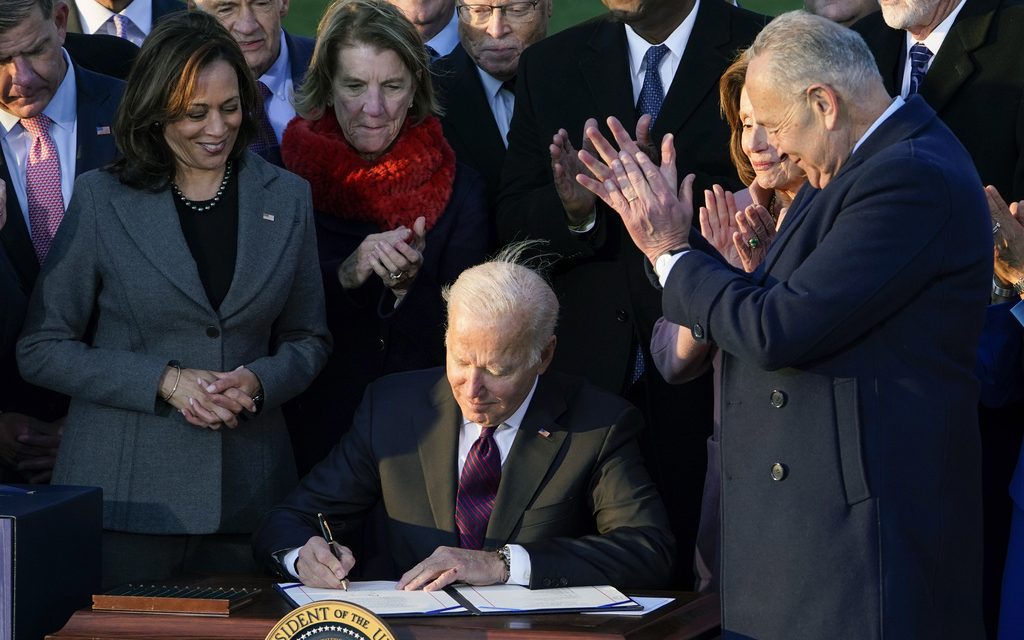
In November 2021, President Joe Biden signed into law a $1.2 trillion bipartisan infrastructure bill, marking a significant investment in the nation’s infrastructure. On February 27, 2024, the Biden administration is set to announce 17 projects aimed at expanding renewable energy access in rural areas, particularly benefiting Native American tribes. These projects will be funded with $366 million from the infrastructure law.
Economic challenges continue to affect working families, with rising prices at grocery stores and soaring gas prices, sometimes exceeding $4 per gallon. Air conditioning costs have increased, medical bills are climbing, and housing expenses are up, all while inflation outpaces wage growth. Both political parties are focusing on affordability in the 2026 election.
Republicans have been criticized for exacerbating the affordability crisis by focusing on foreign conflicts that raise oil prices and investing heavily in immigration enforcement while neglecting working families. Their efforts include significant cuts to Medicaid, supporting tariffs that increase family expenses, and making health insurance more costly by not extending tax credits from the Affordable Care Act.
Washington is often perceived as failing to support working families, which Republicans capitalize on by encouraging cynicism. They stir their base with divisive social and cultural issues rather than addressing economic problems.
Despite these challenges, past congressional efforts have aimed to improve the economy. In August 2022, Democratic leadership in the House passed the CHIPS and Science Act and the Inflation Reduction Act. These laws focused on lowering consumer prices, reducing healthcare and energy costs, simplifying tax filings, and ensuring large corporations pay fair taxes.
The 117th Congress, active from 2021-2023, demonstrated effective governance with initiatives that drove economic development and affordability. In November 2021, Democrats succeeded in passing a bipartisan infrastructure law that Republicans had long promised but failed to deliver. The law allocated over half a trillion dollars to job creation, modernizing water and energy systems to reduce consumer costs, and making high-speed internet more accessible in rural areas.
The Democratic agenda during this period prioritized the ‘Make It In America’ plan, which focused on job creation, cost reduction for families, and building essential infrastructure for a competitive economy.
It’s crucial for Americans facing high prices to stay engaged with Washington and hold leaders accountable based on their actions during their tenure. They should support those who address the challenges effectively and dismiss those who do not.
Steny H. Hoyer, retiring at the end of the year from representing Maryland’s 5th District, reflects on his four decades in Congress, witnessing both achievements and challenges. He emphasizes that progress is possible in a divided government when leaders prioritize consensus, make difficult decisions, and focus on improving lives.
The call for the next Congress is to be led by committed leaders ready to collaborate beyond party lines and meet Americans’ high expectations. Effective governance is essential.
Steny H. Hoyer’s contributions highlight the importance of cooperation and effective policymaking for the betterment of all Americans.
 Defense Secretary Emerges as Key Player in the Trump Administration
  Hegseth’s Vision for the Military: Balancing Tradition and Innovation
 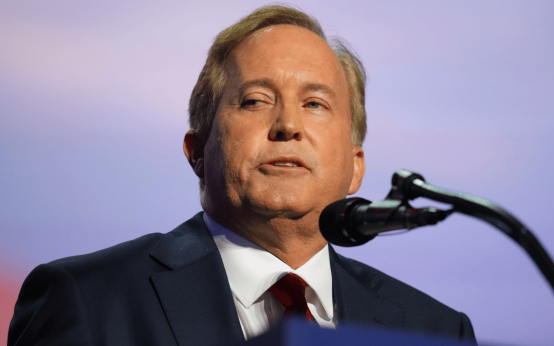 Significant Funding Boosts Ken Paxton’s Texas Senate Campaign Amid Tight Race
 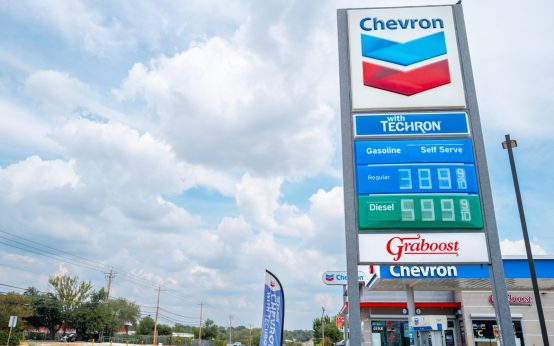 U.S. States Extend Gas Tax Waivers Amid Rising Fuel Costs Due to Iran Conflict
  USCIS Raises Immigration Fees
  The Surveillance Threat to U.S. Federal Agents