
Coal miner Tim Balthis, sitting with his wife Fran, seems healthy, but his lungs tell a different story. His lung scan reveals extensive fibrotic tissue, a sign of severe black lung disease. A doctor’s surprise at Tim’s survival underscores the severity of his condition.
At a pulmonary rehabilitation clinic in Norton, Virginia, respiratory therapist Marcy Freeman sees daily reminders of black lung disease’s impact. She has a collection of over 150 funeral programs of former patients, each representing a life lost to this debilitating condition. Freeman has treated numerous coal miners, including her husband, who worked underground for 27 years.
The resurgence of black lung disease is more dire than anticipated. A recent publication in the American Journal of Respiratory and Critical Care Medicine highlighted data from the National Institute for Occupational Safety and Health (NIOSH). This research indicates the highest rates of black lung disease among veteran coal miners in central Appalachia in nearly 50 years. A startling 32.5% of miners with over 25 years underground tested positive for the condition in recent years.
Scott Laney, a NIOSH epidemiologist and lead author of the research letter, expressed his concern about the worsening situation. Thousands of coal miners have died from black lung between 2020 and 2023. Laney criticizes the lack of compassion shown towards these workers.
Celeste Monforton, a former federal mine-safety regulator, commented on the harsh reality facing coal miners. Despite advancements, conditions have not improved significantly over decades. The consequences of mining to produce cheap energy are evident in the rising disease rates.
Despite strict regulations since Congress imposed limits in the late 20th century, black lung prevalence has climbed. NIOSH’s recent screenings found a higher rate of disease than in the past. Their sample of veteran miners from central Appalachia showed a more than fourfold increase from the disease’s low point at 7% in 1999.
The disease, caused by inhalation of coal and silica dust, is exacerbated by modern mining practices. As thicker coal seams diminish, miners increasingly expose themselves to silica dust when cutting through rock. This highly toxic dust is 20 times more harmful than coal dust alone.
Efforts to regulate and control dust exposure have seen some compliance improvements, but overexposure still occurs frequently. Despite silica’s established risk to miners’ health, enforcement of revised exposure limits remains stalled by litigation from the mining industry.
The human toll of black lung disease extends to miners seeking benefits for its debilitating effects. Tim Balthis knows this struggle well. With advanced black lung disease, he faces daily challenges, limited breathing, and the devastating impact on simple life activities.
As the issue continues to affect thousands of miners, calls for action become increasingly urgent. Dr. Drew Harris, a University of Virginia pulmonologist, stresses the need for strict enforcement of regulations to protect workers’ health. The current situation demands measures that could mitigate further disease development.
The resurgence of black lung disease provides a harsh reminder of the risks faced by miners. Recognizing and addressing these challenges is crucial for providing a safer future for those working in the coal industry.
 Atlantic Ends September Without a Hurricane for First Time Since 1994
  Bobcat Sightings and Conservation Efforts in Illinois
 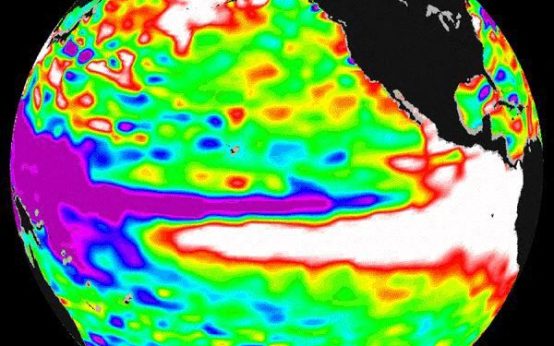 2026 El Niño: A Historical Comparison and Future Projections
  U.S. Records Warmest September in History
  Increased Funding Needed for Psychiatric Hospitals
  Trump Administration Distributes ACA Refund Checks