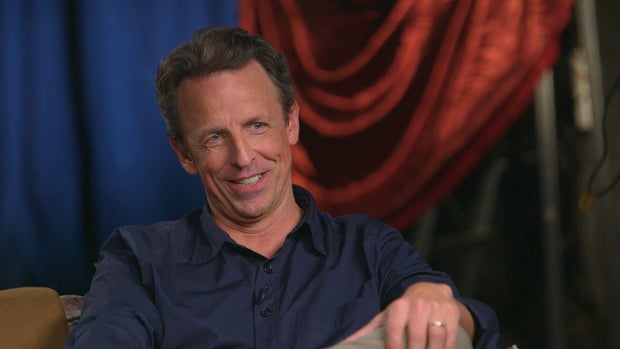
American comedy faces tough times. TV sitcoms struggle, and political figures disrupt late-night comedy shows. Still, humor endures, crossing borders. In the early 1990s, two enterprising comedians opened an English-speaking improv club in Amsterdam. This venture seemed unlikely to succeed in a place not known for comedy. However, Boom Chicago emerged as a comedy hotspot.
Over 30 years, the club has nurtured now-famous comedians like Seth Meyers, Jordan Peele, Amber Ruffin, and Jason Sudeikis. Boom Chicago has become a significant player in the comedy world, from Amsterdam to the United States.
Simon Lukacs: The Bush days seem quite good now in retrospect, don’t they?
Kate Nixon: Oh, I know. WMDs, Colin Powell, Condi Rice, what a lark!
Comedy is challenging. Improv takes skill to another level, especially in a place not known for its humor. Seth Meyers highlights the humor differences, describing Dutch laughter as quick and subdued. Despite this, Meyers and Peter Grosz honed their skills in Amsterdam’s comedy scene.
Meyers recounts an interaction with a Dutch audience member offering to buy him a drink despite not enjoying the show. This exchange exemplifies the candid feedback Dutch audiences provide.
Improv differs from stand-up comedy. It relies on real-time creation and audience interaction. Boom Chicago performers like Deshawn Mason engage audiences, drawing inspiration from their suggestions. This dynamic performance style distinguishes improv from scripted stand-up routines.
Boom Chicago vs. Comedy Giants
In the United States, cities like Chicago have Second City, Los Angeles boasts The Groundlings, and New York hosts the Upright Citizens Brigade. In Amsterdam, Boom Chicago stands as a beacon of comedy innovation. Large gatherings outside the theater attest to its reputation as a cultural landmark that benefits both the Netherlands and the U.S.
In the early 1990s, Northwestern graduates Pep Rosenfeld and Andrew Moskos sought comedy opportunities in Chicago. When progress stalled, the allure of Amsterdam’s alternative culture drew them. Joined by Ken Schaefle, they conceived of an English-speaking comedy venue in Amsterdam to fill a niche.
Andrew Moskos: It was probably the best stoner idea ever. Let’s quit our jobs and move to Amsterdam to start a business.
To balance their team of comedy visionaries, Dutch native Saskia Maas joined as a business partner. Her pragmatic approach complemented Moskos and Rosenfeld’s humor-driven mission. The trio defied skepticism from local authorities, who doubted an English comedy club in Amsterdam could work.
Boom Chicago began as a seasonal venture in a bar’s back room. It gradually evolved into a perennial attraction, finding a permanent home in a prominent theater.
Building an Audience and Brand
Recruiting talent proved essential. Moskos and Rosenfeld returned to Chicago to entice performance-ready graduates like Seth Meyers and Peter Grosz to Amsterdam. Meyers reflected on his limited knowledge of the Netherlands, initially picturing exaggerated images of Europe.
Once assembled, Boom Chicago’s troupe faced the challenge of building a consistent audience. Rosenfeld often sold tickets, storing proceeds in his cowboy boots due to the lack of a bank account. These early anecdotes underscore the passionate, grassroots beginnings of Boom Chicago.
The club’s innovative approach attracted comedians from across the globe. Performers like Josh Meyers and Ike Barinholtz found success in Amsterdam before launching U.S. careers. They honed skills through international experiences, increasing universal humor appeal and refining comedic themes.
Lasting Legacy and Influence
Brendan Hunt arrived in the late ’90s, enchanted by the prospect of performing in Amsterdam. Hunt, alongside cast members Jason Sudeikis and Joe Kelly, later developed popular shows inspired by their Amsterdam experiences, like Ted Lasso. Amsterdam’s international perspective on comedy fueled Boom Chicago-bound projects.
Boom alumni constantly return to Amsterdam, celebrating its success in events like the alumni reunion. These gatherings feature performances, a testament to Boom Chicago’s role as a launching pad for successful comedic careers.
Boom Chicago’s impact extends beyond the stage. The club integrates humor into corporate events, achieving significant financial success without reliance on early cash-handling methods. The club’s transformation from risk-laden concept to booming business reflects its enduring and evolving place in the comedy world.
For more than 30 years, Boom Chicago has shown that comedy transcends location. The venture started as a spontaneous idea, gradually evolving into a distinguished comedy institution, drawing talent and audiences worldwide.
 Readers React to Miss Manners Column
  Operation Mincemeat: A Theatrical Review
  Troy Swanson: Award-Winning Librarian Transforming Academic Libraries
  Hollywood Executive Praises Trump’s Efforts to Revitalize the Entertainment Industry
  Lisdoonvarna Matchmaking Festival: A Unique Tradition
  Zoe Kazan’s Journey with ‘East of Eden’