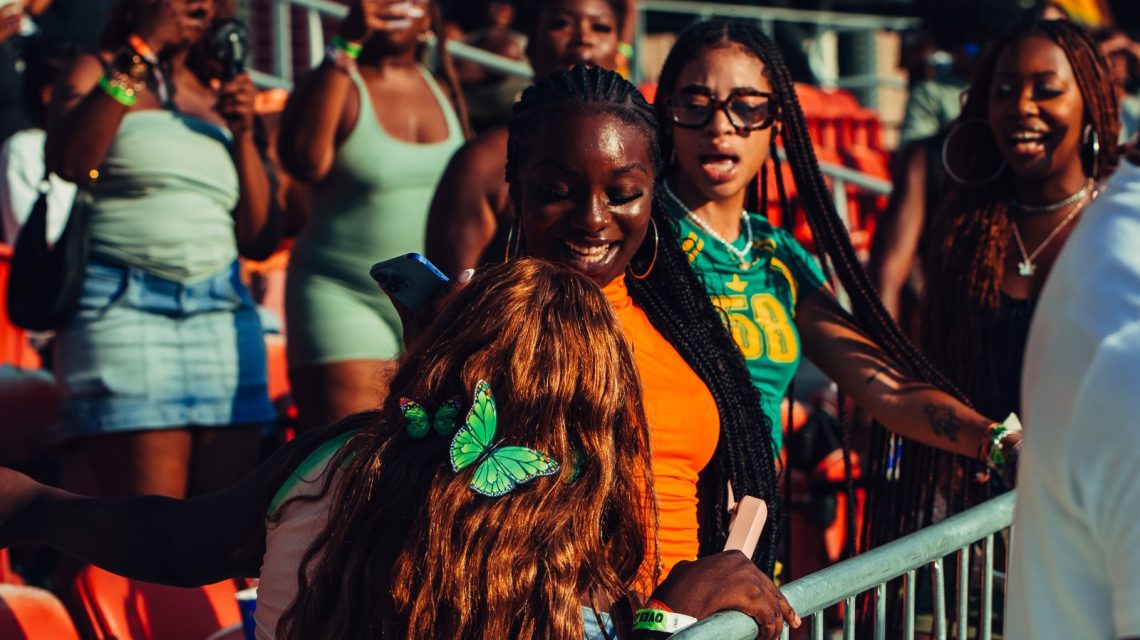
Brandon McEachern envisioned Broccoli City as a gathering spot where music, entrepreneurship, wellness, and community coexisted. During the era of personal blogs like 2DopeBoyz, he spotted a gap in cultural offerings not tailored to specific audiences and saw the potential for change. In an interview with Newsweek, he recounted how discussions around 2009 and 2010 shaped Broccoli City’s foundation. The idea was to create something unique for the community, using a clothing line’s name, Earth Day as an occasion, and Los Angeles as the first venue. At first, some associated “Broccoli City” with marijuana, but McEachern aimed for it to represent organic living, local commerce, and a diverse cultural lineup. Despite misconceptions, he focused on community. The first event in Los Angeles featured Dom Kennedy, Kendrick Lamar, Casey Veggies, and Pac Div, mirroring the era’s innovative spirit. When expanded to Washington, D.C., Big K.R.I.T. headlined, with vendors, juices, and clothing labels adding commercial and social dimensions.
Programming Across Varied Cultural Landscapes
As Broccoli City grew, McEachern realized a lineup couldn’t depend solely on popular rap acts. To truly reflect the audience, the festival’s bookings needed diversity in sounds and styles, ensuring women’s prominent representation. The event featured artists like H.E.R., Daniel Caesar, Nipsey Hussle, Migos, and Cardi B. Other editions combined performers like Jhené Aiko, Anderson .Paak, The Internet, and Sango. Early on, Kaytranada was introduced, well before his fame. McEachern emphasized diverse tastes among black communities, ensuring programming stayed relevant to fast-evolving interests. The team maintained close connections with younger audiences, gauging their musical preferences.
Affordable Live Music Experiences
Affordability remained crucial for McEachern. He wanted Broccoli City to remain accessible, despite the event’s artistic caliber and cultural significance. Originating from Greensboro, North Carolina, he encountered high costs upon moving to Los Angeles. Though understanding costs, he sought solutions. The festival engaged sponsors and public partners to subsidize ticket prices. Holding Hands, another initiative, benefited from AT&T’s backing, offering $25 tickets. McEachern aimed for experiences that weren’t constrained by finances. Even partners absorbed hidden costs to ensure Summer Walker’s performance delivered exceptional value.
A Place to Enhance Community Connections
While music attracted attendees, McEachern gauged success through interactions between performances. Visitors networked, vendors accessed customers, content creators found inspiration, and conversations flourished with common experiences. McEachern witnessed businesses originate from these interactions. The atmosphere blended HBCU homecoming vibes with the breadth of a music festival; it made attendees feel connected. Holding Hands extended this experience, offering inclusivity and representation across different community sections, and featuring artists like Anderson .Paak.
Nurturing Commerce and Careers
Broccoli City’s marketplace mirrored its mission, nurturing entrepreneurs by facilitating commerce. Vendors sold clothing, food, and products, acting as a thriving city, circulating money among concentrated audiences. BroccoliCon expanded on this idea, providing educational opportunities for those seeking professional development and networking. Aspirants connected with executives, examining unfamiliar career paths. Job-fair programming emerged, ensuring lasting benefits for participants. McEachern believed visibility could unlock potential.
Expanding the Model’s Reach
McEachern anticipated Holding Hands might succeed in cities with fewer cultural events, relying on sponsors, venues, and local support. Its setup reduced infrastructure costs, maintaining scale with select artists. For McEachern, audience participation informed future endeavors. Feedback influenced sponsors and affordability. Engaging attendees and encouraging discourse could drive continued investment. McEachern’s primary goal was showcasing live entertainment’s potential to bring joy, opportunity, and tangible outcomes simultaneously.
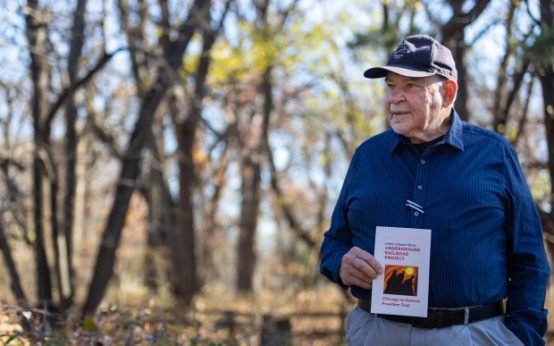 Midwest Underground Railroad Network Gains National Recognition
  Art Collective Critiques Administration with Mall Installation
 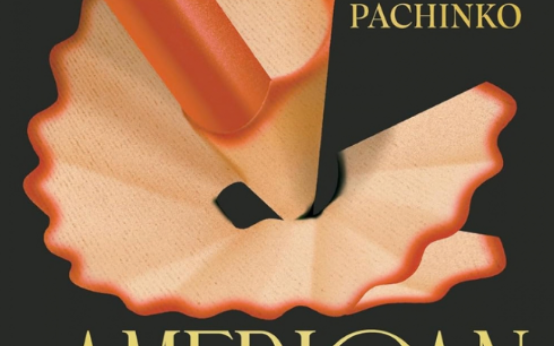 American Hagwon: A Tale of Family and the Korean Diaspora
 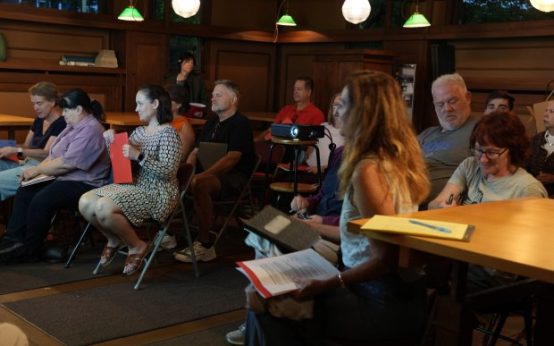 Volunteer Enthusiasm Shines at Frank Lloyd Wright Home and Studio
 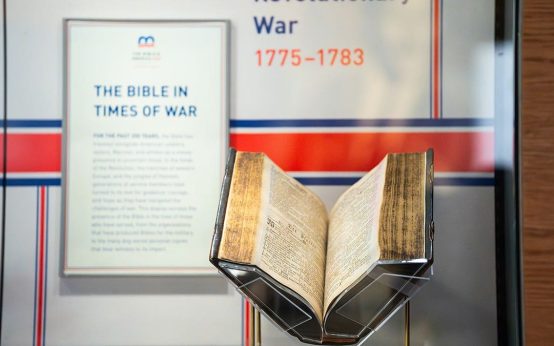 Bible’s Role in Times of War
 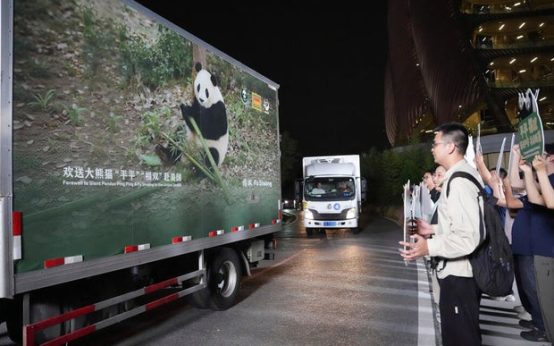 Arrival of Giant Pandas in Atlanta Marks Historic Agreement