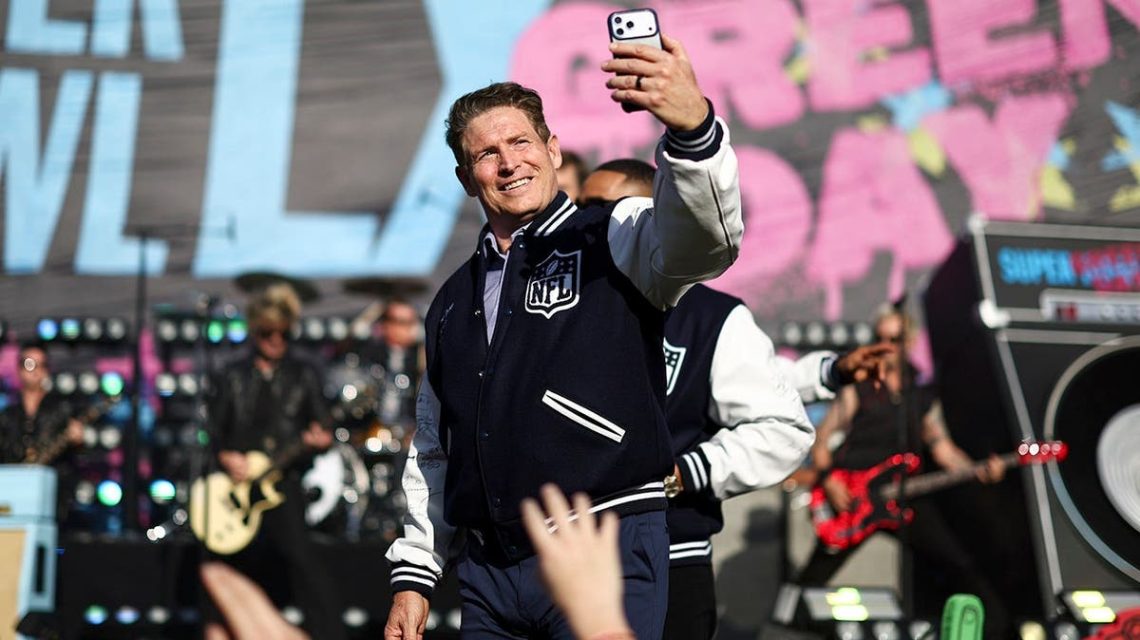
When name, image, and likeness (NIL) compensation changed college football in 2021, NFL legend and BYU alum Steve Young questioned how his alma mater would adapt. Instead of struggling, BYU has excelled, tying with Boise State for the ninth-most wins in college football since 2021. Currently ranked No. 7 in the AP poll, BYU reached No. 2 after defeating Notre Dame and aims for the top spot with a win over No. 3 Utah in the Holy War.
Regarding how BYU manages NIL while maintaining its core values, Keith Vorkink, BYU’s Vice President of Advancement, emphasized that the university participates in recruiting while adhering to its policies. BYU, sponsored by The Church of Jesus Christ of Latter-day Saints, aims to participate in NIL without compromising its culture.
Vorkink explained that BYU focuses on students who are drawn to the university and its culture, not just monetary benefits. The school does not aim to lead the NIL market but to create an environment where student-athletes thrive. Head coach Kalani Sitake embraces this culture, aligning with the university’s mission and the church’s values.
Steve Young praised Sitake’s efforts to build a strong culture in a college football landscape often focused on financial incentives. Young noted that creating affinity in such an environment is challenging but possible, as demonstrated by Sitake’s success. Players like five-star freshman Bruce Branch and quarterback Bear Bachmeier chose to stay at BYU despite more lucrative offers from other schools.
Vorkink also highlighted the recruitment of athletes like AJ Dybantsa, 2026 NBA Draft top pick, who thrived at BYU despite initial unfamiliarity with the university. BYU’s honor code, which requires students to abstain from substances and sexual relations outside traditional marriage, serves as both a unique draw and challenge in recruiting. Young believes the honor code can attract players seeking a different kind of cultural fit.
Despite NIL’s complexities and potential for instability, both Young and Vorkink see regulation of the system as necessary. Vorkink mentions legislative solutions could support stability and governance, benefiting student-athletes economically. Young suggests that regulation must ensure players get fair compensation without compromising their educational pursuits.
Ultimately, Young asserts that BYU has effectively embraced the NIL era without sacrificing its core principles. The university’s approach, termed “the BYU way,” allows it to thrive while staying true to its values.
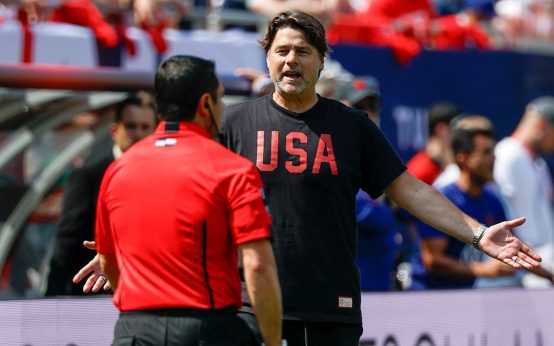 Challenges Facing US Soccer: Insights from Mauricio Pochettino
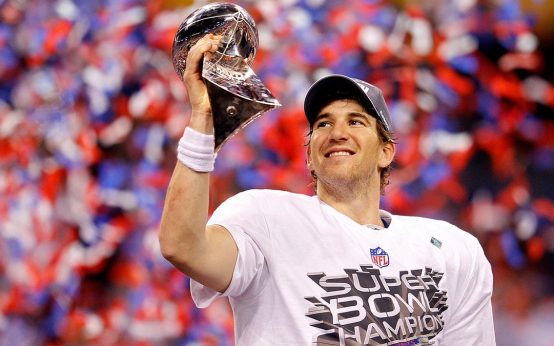 Giants’ Historic 2008 Upset Gets Spotlight in New Netflix Documentary
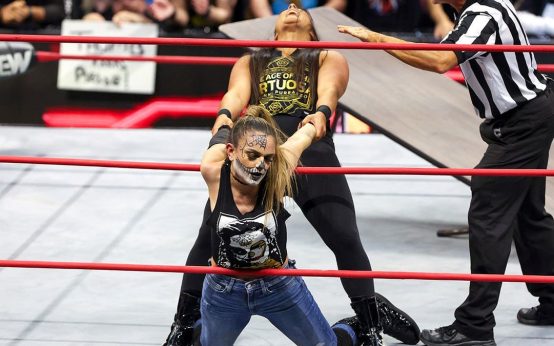 AEW’s Blood and Guts: A Glimpse into the Brutal Spectacle
 Nationals Retain Jacob Young with Four-Year Contract
 TNA Destination X: A Night of High Stakes and Intense Matches
 Kenneth Walker’s Injury and Impact on Kansas City Chiefs