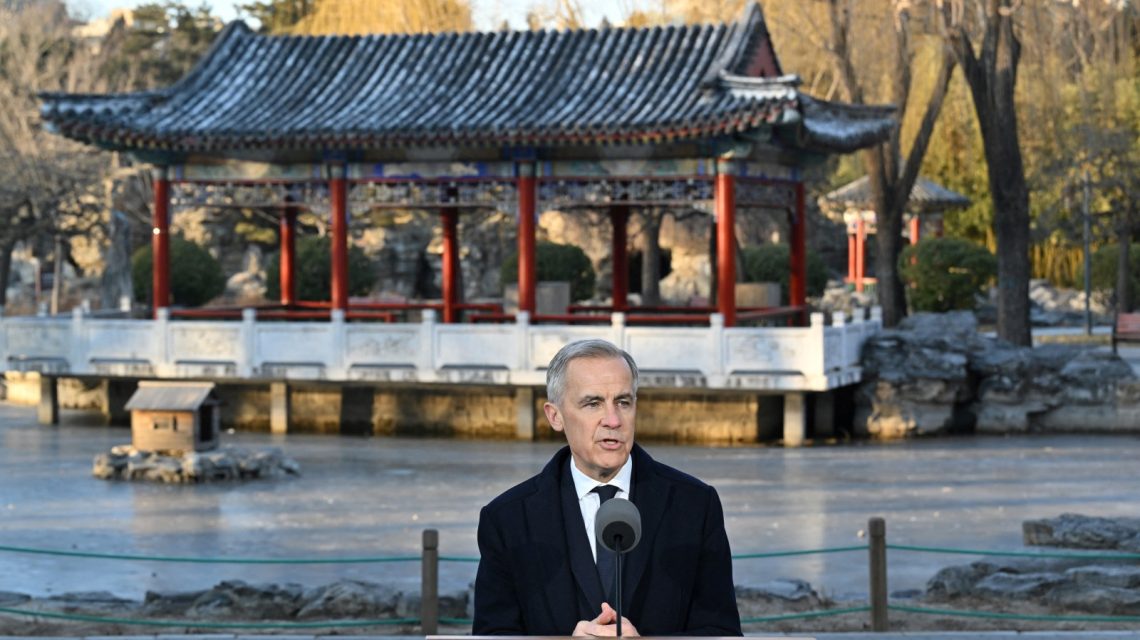
The Canadian government’s decision to significantly lower tariffs on Chinese electric vehicles has come under scrutiny. A document provided to Newsweek suggests that a businessman connected to China’s United Front system proposed a policy urging Ottawa to reconsider the tariff just before Prime Minister Mark Carney’s agreement with Beijing.
In January, Canada agreed to allow 49,000 Chinese-made electric vehicles to enter the country at a 6.1 percent tariff, replacing the previous 100 percent surtax imposed in 2024 under former Prime Minister Justin Trudeau. This announcement was part of a broader trade agreement reached during Carney’s visit to China, which included tariff relief for Canadian agricultural exports like canola oil.
This deal diverges from the United States’ approach, which continues to restrict Chinese electric vehicles. It has raised concerns about national security regarding Chinese automotive technology in North America.
A Canadian source revealed that a policy paper calling for a “structural rethink of Canada’s 100% surtax on Chinese electric vehicles” was sent to the Prime Minister’s Office and members of Parliament shortly before Carney’s trip to Beijing. The individual and group behind the proposal lack registration as lobbyists in Canada’s registry.
Newsweek sought comments from the Prime Minister’s Office, which directed them to Global Affairs Canada. Newsweek has also contacted Global Affairs Canada for a response. The dossier identifies the businessman as Shui Shousong, president of the Sino-Canada Entrepreneurs Association, or SinoCann. Chinese-language reports describe Shui as having been a member of the Chinese People’s Political Consultative Conference, a United Front organization in China.
Both Shui and SinoCann did not respond to Newsweek’s requests for comment. The United Front Work Department is a Chinese Communist Party agency focused on building influence among non-CCP groups and overseas communities. Western governments and security agencies are increasingly examining United Front-linked organizations due to concerns about their potential role in advancing Beijing’s political and economic goals abroad.
The Canadian source, who requested anonymity due to sensitive U.S.-Canada relations, noted Shui’s extensive United Front activity. Shui has been present at events with Canadian politicians, including one where a Chinese consular official praised the host organization for promoting ‘reunification’ work with Taiwan, a key CCP goal.
In August, Shui launched a new Canada-China EV association and a service center to create a “transnational industrial cooperation platform” between Canada and China. This event was organized by the Canada-China Business Council. Municipal government members and diplomats from the Chinese Consulate in Toronto also attended, as reported by Victoria Media, a Canada-based Chinese-language media outlet.
Newsweek reached out to the Chinese consulate in Toronto and the embassy in Ottawa for comments but received no immediate responses. The Canadian source noted a lack of media inquiry into who influenced the Prime Minister’s Office beforehand. They characterized the situation not as a covert operation, but as an example of a potential influence channel that went unexamined, with access obtained publicly by a well-documented figure.
The controversy over Chinese electric vehicles has become a significant issue in North American trade and security policy. The U.S. has blocked Chinese EVs to maintain manufacturing strength and address security concerns over connected vehicle technology. China’s EV industry, led by companies like BYD, is expanding rapidly overseas, causing apprehension in Western capitals, especially in Germany, over industrial capacity, supply chains, and data security.
In early September, U.S. Transportation Secretary Sean P. Duffy sent a critical letter to Ford Motor Company CEO Jim Farley, expressing concerns over Ford’s ties to Chinese companies. The Department of Transportation criticized Ford’s use of Chinese battery technology and other China-linked supply chain issues. Ford refuted the criticism and reaffirmed its support for U.S. innovation and manufacturing.
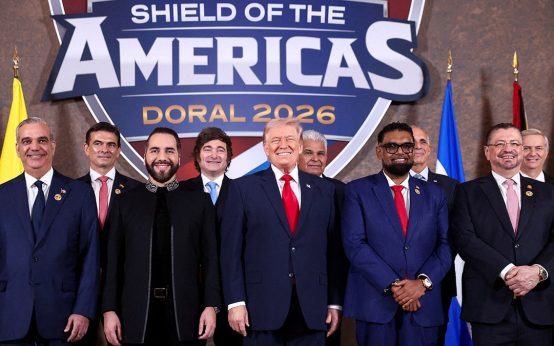 Bolivia Faces Security Test Amid Unrest
 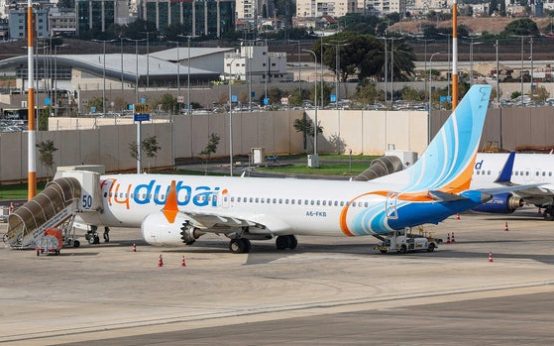 Incident on FlyDubai Flight Raises Security Concerns
 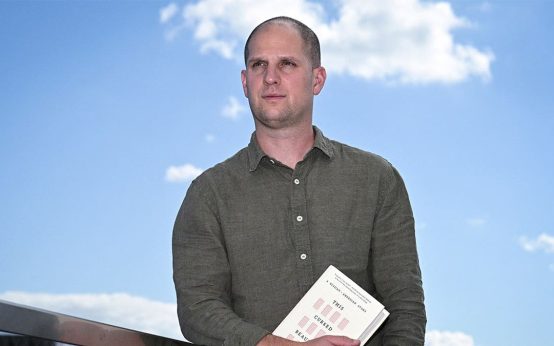 Journalist Gershkovich Discusses Wrongful Detention and Release in Russian Prisoner Swap
  Pakistan Airstrikes in Afghanistan: Civilian Casualties Reported
  Ukraine Converts APCs to Explosive Devices in Donetsk Offensive
  Dutch Review Board’s Euthanasia Ruling and International Debate