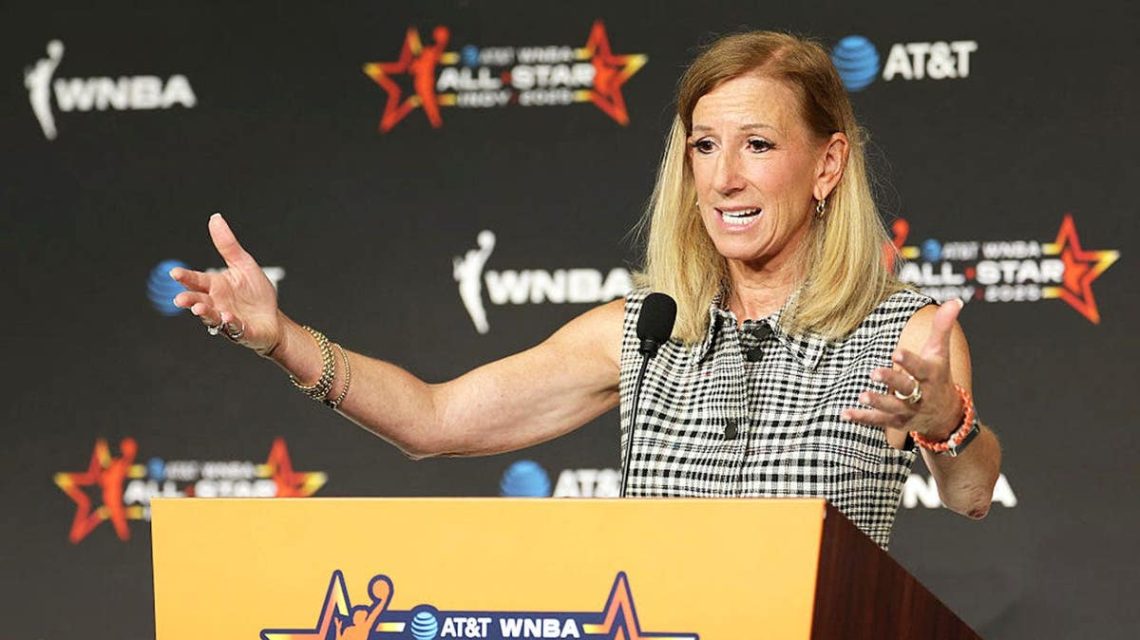
WNBA Commissioner Cathy Engelbert announced her retirement set for the end of the 2026 season, marking seven years in the role. Appointed in 2019 as the league’s first commissioner, Engelbert’s influence significantly expanded the league’s size, visibility, and value. Under her leadership, the WNBA introduced new media agreements, expanded the league, improved player compensation, and incorporated charter travel, credited by NBA Commissioner Adam Silver as a period of significant growth in WNBA history.
The Challenges Faced by Engelbert
Being a commissioner transcends financial metrics. It involves maintaining player relationships, and during Engelbert’s tenure, those were notably tumultuous. Managing league reputation and its players has been challenging, and Engelbert faced criticism over her handling of controversies. Despite these issues, the on-court product has remained entertaining, highlighting an area of success.
Key Moments During Engelbert’s Tenure
1. The ‘Wubble’ and Political Transformation
Engelbert’s leadership was immediately tested by COVID-19, leading to the creation of the ‘Wubble’ in Florida to continue the 2020 season. While successful, the league embraced a strong social-justice stance which polarized fans who sought an escape through sports.
2. Dearica Hamby Pregnancy Controversy
The mistreatment allegations by player Dearica Hamby spotlighted the league’s protection of pregnant athletes. The subsequent investigation penalized the Las Vegas Aces, raising broader questions about support for player motherhood.
3. Charter Flight Controversy
The introduction of a charter program in 2024 marked a response to longstanding demands but was seen by some as overdue. Engelbert acknowledged earlier financial constraints, but the initiative followed heightened focus brought by player Caitlin Clark.
4. Caitlin Clark and Officiating Controversy
Clark’s popularity brought increased scrutiny on officiating, sparking debates on whether the league was adequately protecting its stars. A committee on league standards followed increased criticism.
5. ‘Pay Us What You Owe Us’ Movement
Amid record attention, players rallied for better compensation, highlighting revenue-sharing tensions. An agreement was reached, but questions about long-term financial impact remain.
6. Napheesa Collier Criticism
Napheesa Collier’s public remarks criticized Engelbert’s leadership, particularly on player safety and communication, manifesting in deep player leadership tensions.
7. Transgender Athlete Controversy
The eligibility debate captured political tensions, dividing fans, and leading to conflict over the league’s stance on women in sports, marking a consistent challenge for Engelbert.
Engelbert’s Legacy
Engelbert’s legacy intertwines with the league’s divisive stances on political and social issues, impacting its core audience. As controversies frequently overshadowed basketball, the need arises for a leader who can unite fans and focus on marketing pivotal players like Caitlin Clark.
 Arike Ogunbowale Shines in Dallas Wings’ Overtime Victory
  Dallas Cowboys Acquire Joey Porter Jr. in Major Trade
 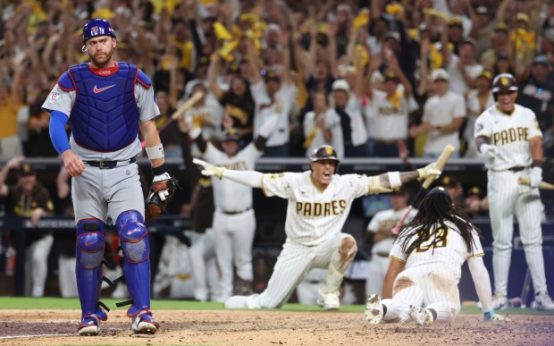 Chicago Cubs Struggle in Wild-Card Series Against Padres
  Jalon Daniels to Start for Buccaneers in Crucial Game Against Packers
 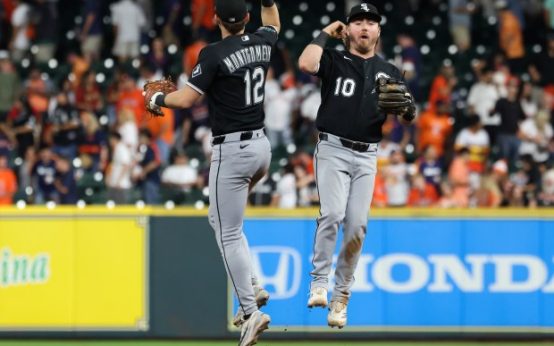 White Sox Advance to AL Division Series Against Guardians
  The Hites Brothers: From Backyard Football to Leading St. Ignatius