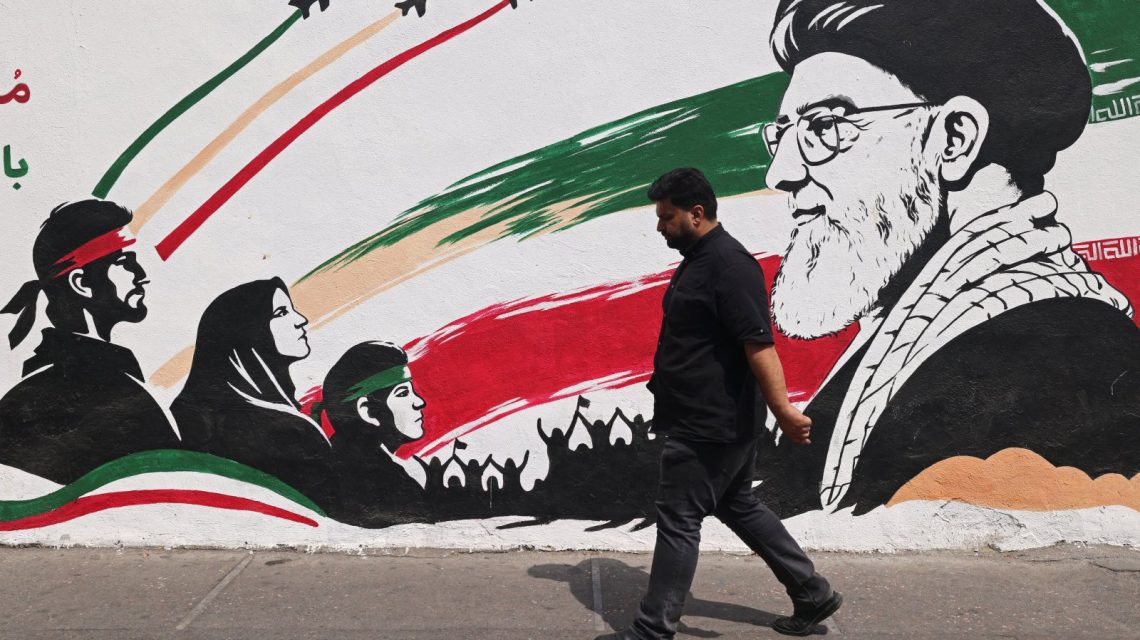
When the Trump administration initiated Operation Epic Fury in late February, they anticipated a swift and decisive battle against Iran. Operation Midnight Hammer, which involved successful U.S. strikes on Iran’s nuclear facilities, served as a precedent. That campaign showcased overwhelming force and resulted in significant setbacks for Iran’s strategic capabilities.
Six months later, expectations have changed. Iran’s regime has proven more resilient than anticipated. Despite continuous U.S. military pressure, it endures, albeit in a changed form, while maintaining tighter control domestically. Iran has also retained tools to impose costs on its adversaries, with the Strait of Hormuz being the most significant. Iran’s effective weaponization of this vital waterway has changed the confrontation dynamics.
Initially, Washington’s objectives were broad. These included dismantling Iran’s nuclear ambitions, reducing its missile capabilities, and curbing support for terror proxies in the Middle East. Currently, the Trump administration’s focus appears more limited, emphasizing the free flow of energy and commerce through critical maritime routes.
Reaching a sustainable agreement over the Hormuz remains uncertain. Whether the United States can maintain the necessary focus, pressure, and military stance to change Iran’s behavior long-term is even less clear. The renewed military skirmishes highlight the need for American policymakers to rethink their approach to Iran.
Washington’s debate on Iran often centers around decisive outcomes. Examples include seeking a nuclear agreement, conducting military strikes, achieving regime change, or forging a new diplomatic deal.
The current situation resembles a sustained strategic competition rather than a crisis with a clear solution. This scenario is reminiscent of the U.S. confrontation with the Soviet Union during the Cold War. This historical struggle involved economic, ideological, and political warfare without direct military conflict.
The analogy, though imperfect, carries some parallels. Iran is a securitized political system relying on confrontation with the West for legitimacy. It dedicates substantial resources to its strategic ambitions, sacrificing domestic prosperity. Like the Soviet Union in its later years, Iran grapples with internal contradictions and adverse domestic trends. These challenges present opportunities.
During the Cold War, the U.S. focused on containing Soviet expansion while imposing costly demands on Moscow. It restricted access to technology and capital, fortified vulnerable allies, and engaged in ideological competition to undermine Soviet influence.
Applying similar tactics to Iran involves developing a long-term strategy that limits Tehran’s military, economic, and ideological maneuverability. In the short term, the U.S. should deter Iranian military actions and ensure freedom of navigation in the Persian Gulf. Over time, sustained pressure could create conditions for significant political changes within Iran.
Drawing on America’s Cold War experience can provide a strategic playbook for competing with Tehran, if policymakers are willing to reconsider past approaches.
Ilan Berman is the senior vice president of the American Foreign Policy Council in Washington, D.C. The views expressed are the author’s own.
 British Police Arrest Man Suspected of Terror Plot
  Activists Push for Nationwide Ban on Child Marriage in the U.S.
  Investigation into Alleged Incident at Cornell University
  Rising Drone Threats Highlight Vulnerabilities in Moldova’s Airspace Defense
  Bolivia Faces Security Test Amid Unrest
  Incident on FlyDubai Flight Raises Security Concerns