
Alabama’s rural hospitals are experiencing significant difficulties. A national Medicare wage reimbursement system is contributing to this issue. This system provides lower payments to healthcare providers in Alabama compared to those in larger states.
Medicare Wage Disparities
The Medicare wage reimbursement mechanism assigns different payment rates based on the geographical area. This results in lower compensation for healthcare providers in Alabama. The disparities in these payments affect the financial stability of rural hospitals.
Historical Context
In 1948, Life magazine published a photo essay titled ‘Country Doctor.’ W. Eugene Smith captured the efforts of Dr. Ernest Ceriani as the sole physician serving 2,000 residents in Kremmling, Colorado. This series highlighted the challenges faced by healthcare providers in rural settings, a situation still relevant today.
Current Implications
The ongoing reimbursement issues place a strain on Alabama’s rural healthcare system. These payments decrease the ability of rural hospitals to attract and retain talented medical staff. Additionally, they affect the quality of care that these facilities can offer. Ensuring fair compensation for healthcare providers is crucial to maintaining a robust healthcare system in rural areas.
An equitable solution in wage reimbursements would help alleviate the struggles of these rural hospitals. This approach could ensure that residents in rural Alabama have access to the healthcare services they need.
 Trump Administration Distributes ACA Refund Checks
  Higher Consumption of Ultra-Processed Foods Linked to Increased Health Risks
  Understanding Inflammation: Myths and Facts
 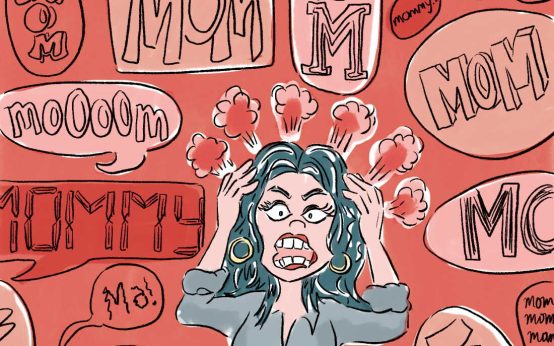 Calm Parenting: Strategies to Manage Stress
  Trump’s Executive Order to Combat Mosquitoes and Ticks in D.C.
  Overcoming Weight Loss Challenges: Brain Health and GLP-1 Medications