
Last spring, tech worker Alex Hwang and his wife decided to trade their small house in San Francisco Bay Area for a bigger property in the Inland Empire. They aimed for a $700,000 six-bedroom house in Pulte’s Cimarron Ridge development, part of the state’s effort to build affordable housing.
During the purchase in June, an unexpected issue emerged with obtaining a comprehensive insurance policy. Pulte usually provides insurance as part of the sale package. However, as the closing date neared, their agents couldn’t find the necessary comprehensive coverage in the standard market; the available policy lacked required fire coverage.
Hwang had limited choices: Use the FAIR Plan for fire coverage and another policy for additional protection or enter the surplus lines market. He chose a surplus line policy, accepting a $25,000 fire loss deductible, five times the standard.
California residents face similar insurance challenges. Property insurance deserts are spreading beyond wildfire-prone areas into low-risk regions. The Times identified that FAIR Plan policies are rising rapidly in these new developments. In some cases, they grew up to 500% over the last year. Major carriers refuse to insure even low-risk properties, leaving homeowners between the FAIR Plan or unregulated surplus lines insurers.
Data from Weiss Ratings indicate that surplus lines carriers now hold 7% of California’s home insurance market, up from 1% in 2021. Hwang’s policy came from Summit Specialty, unrated in California, but holding an A rating from AM Best, highlighting the precariousness of relying on these carriers.
State-regulated insurance options have shrunk as carriers withdraw, unable to manage rising costs from wildfires. This has caused companies like State Farm and Farmers to cut policies, leaving fewer traditional options. Although Insurance Commissioner Ricardo Lara expects market stabilization, The Times data suggest conventional property insurance continues to decline.
In regions like Menifee and Hemet, FAIR Plan policies surged fivefold from 2024 to June. The landscape is more bushy than forested, stirring debate about risks. The lack of traditional insurance has driven an increase in surplus lines policies, set on a steep growth trajectory as recorded by the National Association of Insurance Commissioners.
Louis, a Riverside resident, experienced difficulties acquiring insurance for a $700,000 home. With higher-than-expected prices and excluded fire coverage, he finally chose an Orion180 policy with a $14,000 deductible. The evolving market now depends heavily on international reinsurance, adding to homeowners’ expenses.
Traditional home insurance in California is scarcer than in the last 15 years. During this decade, for every new policy, nearly two were lost, reports The Times. Bob Severns, a Riverside broker, helps homebuyers navigate this complex landscape but warns of the challenge of affordability.
 Senate Democrats Block Data Center Bill Over Efficiency Concerns
  Future Cities: Ambitious Projects Aiming for Innovation and Sustainability
  Navigating Los Angeles Real Estate on a Budget
 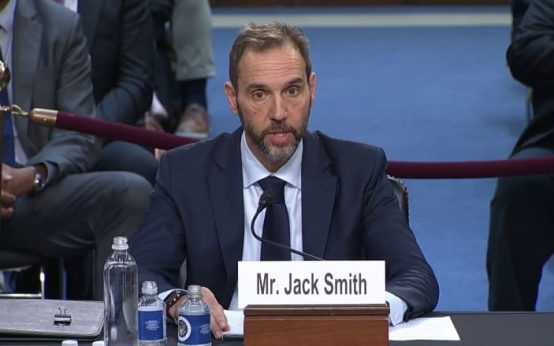 High-Profile Hearing and AI Developments: Key Political Moves
 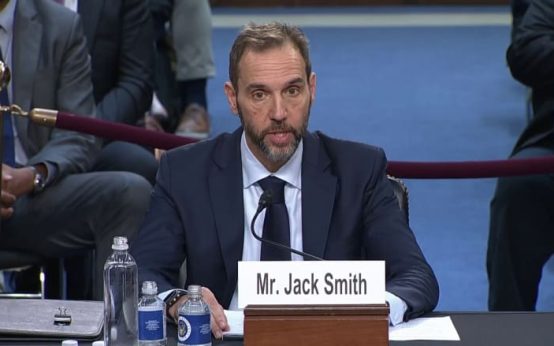 Key Events in Today’s Discussions Involving Jack Smith and President Trump
 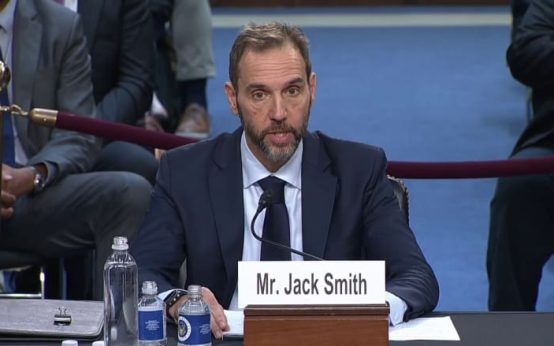 Jack Smith Faces Scrutiny Amid Investigations into Trump