
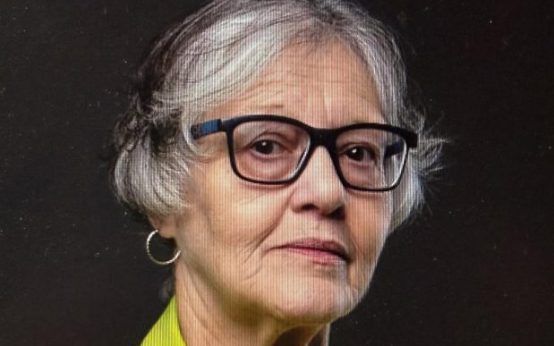
Marcela Miranda, my grandmother, was born in Arizona in 1914. She lived in the United States until she was about 7 years old. Her family, like many others from El Cargadero, Zacatecas, settled in the U.S. during the Mexican Revolution and the Cristero Revolt. Once peace returned, many went back to Mexico.
Raised in Mexico, my grandmother returned to the U.S. in the 1960s with her family. Officially, she was considered a U.S. citizen, but society often viewed her as a Mexican. We, her grandchildren, saw her as a dignified Mexican woman who embraced her heritage.
“All she remembered from her early childhood in Arizona were snippets of nursery rhymes,” her memories of America were fleeting.
The community from El Cargadero, often settling in Anaheim, saw their American birthrights as an opportunity for legal residency. This was a privilege envied by many other Mexicans. As a journalist, I have shared this narrative extensively.
Recently, Steve Hilton, a Republican gubernatorial candidate, challenged Xavier Becerra’s description of his ancestry. Becerra, a Democrat, highlighted his parents’ humble beginnings in California during their CNN debate. Hilton criticized Becerra, scrutinizing his family history to question his claims.
Hilton’s endorsement by President Trump has added to the controversy. Supporters have accused Becerra of misleading the public about his heritage. This scrutiny missed the broader experience shared by many Mexican Americans. Similar to Becerra, my family’s journey included cross-border education and lifestyles.
Alexandro José Gradilla, a professor of Chicano studies, argues that these movements and influences shape identity. Many view family members who return to the U.S. after living in Mexico as immigrants, given the cultural adaptation required.
“What’s the dis? Where’s the dunk?” questions Gradilla, highlighting the complexity of identity and immigration narratives.
Hilton’s focus on Becerra’s background seems outdated and ignores the multifaceted experiences of Mexican Americans. Becerra emphasized his family’s American journey and the challenges they faced due to their heritage.
While Hilton portrays himself as understanding legal immigrant experiences, his position appears disconnected from the realities of Mexican American lives. Becerra’s retort reflected the frustration felt by many who feel misrepresented by traditional narratives.
In a telling moment, Becerra pointed out Hilton’s lack of understanding about American Mexican history, suggesting a need for richer dialogue and study, such as Chicano studies. Gradilla’s lectures address similar historical themes, underlining the ongoing relevance of these discussions today.
In essence, Hilton’s challenge only highlights the gaps in understanding Mexican American identity. It’s not simply about legal definitions but involves cultural stories and personal narratives that transcend bureaucratic labels.
 Sen. John Curtis Calls for Hearings on Trump Jr. and Hunter Biden
  Republican Struggles in California: Steve Hilton’s Controversial Campaign
  Kane County Board District 3 Candidates Discuss Key Issues
  Trump’s Wardrobe Choice Sparks Suit Debate
  President Trump’s ‘Big Surprises’ Stir Speculation Before Midterms
  Sullivan Faces Challenging Re-election Campaign